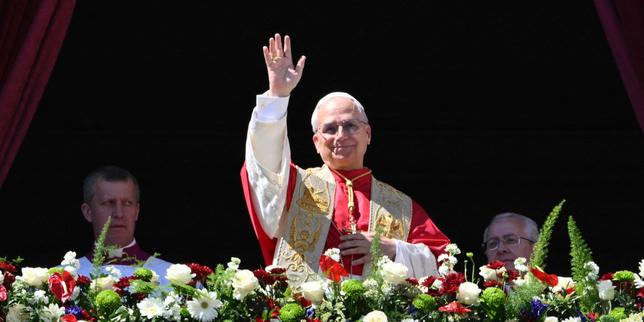
The center of gravity for the Catholic Church isn't in Rome anymore. If you look at the pews in Paris or the empty seminaries in Brussels, you’d think the religion is on its last legs. But you're looking in the wrong direction. Pope Francis knows exactly where the pulse is. He’s spent a massive chunk of his papacy flying into places like Kinshasa, Juba, and Nairobi because he understands a simple truth. Africa isn't just a mission territory. It’s the engine room.
While the West treats religion like a nostalgic hobby, African nations are seeing an explosion in faith. We’re talking about a demographic shift so fast it makes the Vatican’s head spin. By 2050, it's estimated that one in every three Catholics in the world will be African. This isn't just about numbers. It’s about energy, politics, and the survival of an institution that’s nearly two thousand years old.
The demographic shift nobody can ignore
Statistics tell a story of two different worlds. In Europe, the Church is basically a museum curator. In Africa, it’s a living, breathing, and often loud part of daily life. According to data from the Vatican’s Central Office of Church Statistics, the number of Catholics in Africa has increased by over 200% since 1980. Contrast that with the stagnant or declining numbers in traditional strongholds like Italy or Spain.
The Pope’s recent tours across the continent aren't just polite visits. They're strategic survival plays. When he lands in the Democratic Republic of Congo (DRC), he's greeted by millions of people. Not thousands. Millions. The DRC alone has over 45 million Catholics. That’s more than the entire population of many European countries. You can't ignore that kind of leverage.
I’ve watched how these crowds react. It’s not just about piety. It’s about the Church being the only institution people actually trust. In places where the government is broken and the infrastructure is non-existent, the parish is the clinic. It’s the school. It’s the bank. It's the only thing standing between a community and total collapse.
Why the Pope chose the periphery
Francis has this obsession with what he calls the "peripheries." He’s tired of the stuffy, Eurocentric view of the world. He wants a Church that "smells like the sheep." In Africa, the sheep are everywhere, and the problems are real.
When he visits South Sudan, he’s not just giving a sermon. He’s engaging in high-stakes diplomacy. I remember the shock when he literally knelt and kissed the feet of South Sudanese rival leaders in 2019 to beg for peace. That wasn't a PR stunt. It was a desperate attempt to use the moral weight of his office to stop a civil war.
This is the "Francis effect" in action. He knows that in the West, his words are often filtered through a lens of culture wars and political polarization. In Africa, his words can literally be the difference between a ceasefire and a massacre. That gives the papacy a level of relevance it hasn't had in the Global North for decades.
A different kind of Catholicism
Don't expect the African Church to be a carbon copy of the Vatican. It’s vibrant. It’s rhythmic. It’s also deeply conservative on social issues. This creates a massive tension within the global Church. While German bishops are pushing for radical reforms on LGBTQ+ issues and female ordination, many African bishops are pushing back hard.
Take the recent controversy over Fiducia Supplicans, the document allowing for the blessing of same-sex couples. The backlash from African episcopal conferences was swift and brutal. They basically told Rome, "We’re not doing this." It was a rare moment where the periphery dictated terms to the center.
This is the new reality. As the money and the people shift toward the Global South, so does the power. The Vatican can't afford to alienate the African Church. If they do, they risk a schism that could tear the whole thing apart. It's a delicate dance. Francis has to balance his progressive instincts with the reality that his most loyal and growing base doesn't share them.
The resource gold mine
Let's talk about the priesthood. The West is facing a catastrophic shortage of priests. In the United States and Europe, dioceses are merging parishes because there just isn't anyone to staff them. Africa has the opposite "problem." Seminaries are overflowing.
We’re seeing a "reverse mission" happening right now. African priests are being sent to man parishes in rural France and the American Midwest. It’s a complete flip of the historical script. The people who were once the "missionized" are now the missionaries.
- Thousands of African priests serve in Europe and North America today.
- Nigerian and Congolese clergy are becoming the backbone of global Catholic administration.
- This shift ensures that African perspectives will dominate the next several conclaves.
If you think the next Pope will be another European, you're probably not paying attention. The momentum is clearly moving toward a leader from the Global South—specifically someone who understands the African context.
Faith in the middle of conflict
Religion in Africa isn't some Sunday-morning-only affair. It's lived in the middle of some of the most brutal conflicts on earth. When the Pope visits these regions, he’s highlighting the Church's role as a mediator.
In the DRC, the Church has been the most vocal critic of government corruption and the exploitation of mineral resources like cobalt and coltan. These minerals power your iPhone and your Tesla, but the people mining them live in abject poverty. The Church uses its platform to scream about this injustice.
Francis has called this "economic colonialism." He’s not just talking about the past. He’s talking about right now. By standing with Africa against the greed of multinational corporations, he’s positioning the Church as a champion of the oppressed. It’s a powerful brand. It’s also a dangerous one. Priests and nuns are frequently targeted by rebel groups and corrupt officials because they’re the only ones brave enough to talk back.
The competition for souls
The Vatican isn't the only one eyeing Africa. The competition is fierce. Pentecostalism is spreading like wildfire across the continent. These churches offer a "Prosperity Gospel" that's incredibly enticing to people living in poverty. They promise that if you have enough faith, God will make you rich and healthy.
The Catholic Church has to work hard to stay relevant. It can't just rely on tradition. It has to prove its value every single day. This competition has forced the Catholic Church in Africa to be more dynamic and more engaged with the youth. You won't see many grey heads in an African Catholic youth meeting. You'll see thousands of teenagers and twenty-somethings who are genuinely excited to be there.
More than just a tour
When you see headlines about the Pope’s "tour," don't think of it like a rock star’s farewell circuit. Think of it as a CEO visiting the only branch of the company that’s actually showing a profit.
The Western world likes to think it’s the center of the universe. It’s not. In the world of global Catholicism, Rome is increasingly becoming a bureaucratic outpost, while the real action is happening in places like Lagos, Kinshasa, and Luanda.
The Church’s future depends on how well it can integrate African culture, leadership, and social concerns into its DNA. If it succeeds, the Catholic Church will remain a global powerhouse for another century. If it fails to listen to its African base, it will dwindle into a tiny, irrelevant European sect.
Keep an eye on the next Synod. Watch who the Pope promotes to Cardinal. Pay attention to which bishops are speaking the loudest. The voices you'll hear won't have Italian or German accents. They’ll be the voices of a continent that has finally realized its own power.
The Vatican's bet is clear. They're going all-in on Africa. Given the numbers, it’s the only logical move they have left.
If you want to understand where the world is going, stop looking at the old maps. Start looking at the growth charts of the Global South. The next chapter of human history—and religious history—is being written right now in the heart of Africa. Don't blink, or you'll miss the biggest transformation the Church has seen since the Reformation.
Start paying attention to the African bishops' conferences. Follow the reporting from local Catholic news agencies in Kenya and Nigeria. That’s where the real debates are happening. That’s where the future is being decided. The era of European dominance is over. The era of the Global South has arrived. Embrace the shift. It's the only way to stay informed in a world that's changing faster than we can keep up with.