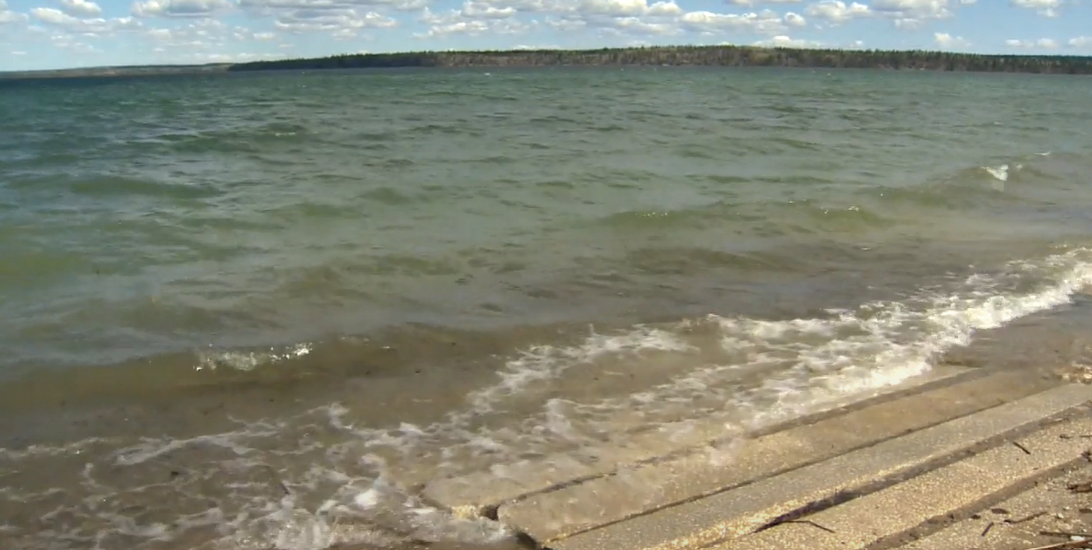
Clear Lake is finally open to motor boats again, but don't expect the same old routine when you pull up to the docks in Riding Mountain National Park. Parks Canada made the call to lift the temporary ban, yet the strings attached to this decision are shorter than a fishing line. If you want to get your boat on the water this season, you’ve got to navigate a gauntlet of new rules designed to keep Zebra Mussels out of Manitoba’s crown jewel. It's a high-stakes balancing act between local recreation and total ecological collapse.
The threat hasn't gone away. If anything, the discovery of invasive species DNA in the lake last year put everyone on high alert. You might think the restrictions are overkill, but one single fertile mussel can ruin a lake for generations. That’s the reality boaters are facing. It’s not just about a fun weekend anymore; it’s about whether this lake stays alive. If you liked this post, you should read: this related article.
Why Clear Lake closed and what changed
Last year was a mess for local tourism. When Parks Canada found environmental DNA (eDNA) traces of Zebra Mussels in Clear Lake, they didn't hesitate. They shut down all personal watercraft access. No motor boats. No private kayaks. Nothing. It was a ghost town on the water, and the local economy felt the sting. Business owners were worried, and boaters were frustrated.
So, what changed? Parks Canada hasn't found live mussels yet. That’s the silver lining. While the eDNA results were a massive red flag, subsequent testing hasn't confirmed a full-blown infestation. This gave officials enough breathing room to create a restricted entry program. They’re essentially trying to "thread the needle" by letting people back in while treating every boat like a potential biohazard. For another perspective on this story, see the latest coverage from Travel + Leisure.
The logic is simple. They know they can't keep the lake closed forever without destroying the local community. However, they also know that once Zebra Mussels take hold, there’s no going back. These tiny bastards clog intake pipes, cut the feet of swimmers, and starve out native fish by stripping the water of nutrients. If you like the crystal-clear water that gives the lake its name, you should be the first person cheering for these strict rules.
The new rules for getting on the water
Don't just show up with your boat and expect to launch. You’ll be turned away faster than a bad habit. The new system is built around a rigorous inspection and decontamination process. If your boat has been in any other body of water recently, you’re going to have a long day ahead of you.
Parks Canada is prioritizing boats that stay on Clear Lake. They’ve introduced a "dry storage" requirement for many. Basically, if your boat lives at the lake and never leaves, you’re in the clear after a standard check. But if you’re a "transient" boater—someone who hauls their rig from Lake Winnipeg or the Red River—you are under the microscope.
The decontamination stations are mandatory. These aren't just quick rinses with a garden hose. We’re talking high-pressure, high-heat sprays that reach into every nook and cranny of your hull, motor, and bilge. Zebra Mussels are masters of hitchhiking. They can survive in a teaspoon of water inside your cooling system for days.
Inspection checkpoints you can't skip
You need to plan your trip around the inspection hours. There is a single point of entry for many boaters now. This isn't meant to be annoying, though it definitely is. It’s about control. By funneling everyone through one or two spots, the park rangers can ensure no unwashed boat touches the surface.
- Self-Correction: Many people think "clean, drain, dry" is just a suggestion. In Riding Mountain, it’s the law. If they find standing water in your livewell, you aren't launching. Period.
- The Quarantine Period: Some boats may require a 30-day dry period depending on where they’ve been. This is the ultimate buzzkill for a weekend warrior, but it's the only way to be 100% sure nothing survived.
The economic ripple effect
The town of Wasagaming relies on the lake. It's the heart of the park. When the boats vanished, the vibe changed. People stayed away. Marina slips sat empty. The return of motor boats is a lifeline for the local shops, restaurants, and hotels that were sweating through a very quiet season.
But there's a flip side. The cost of these inspection programs is massive. Taxpayer dollars and park fees are being poured into decontamination units and extra staff. Some locals argue that the "open but restricted" model is still hurting business because the hassle factor is too high.
I’ve talked to people who would rather skip the trip than wait three hours for a boat wash. That’s a legitimate concern. If the process is too clunky, people will just head to other lakes that haven't been "hit" yet. But here’s the hard truth: those other lakes will eventually face the same fate if we don't get these protocols right now. Clear Lake is the testing ground for the rest of Western Canada.
Living with the threat of Zebra Mussels
Zebra Mussels are an ecological nightmare. They change the chemistry of the water. By filtering out algae, they make the water clearer, which sounds good until you realize that algae is the base of the food chain. Without it, small fish die. Then big fish die. Then the lake becomes a watery desert.
They also have a nasty habit of attaching to any hard surface. Your dock? Covered. Your boat's propeller? Jammed. The rocks where your kids swim? Sharp as glass. In Ontario and the Great Lakes, they’ve spent billions of dollars trying to manage the damage. Manitoba is trying to avoid that bill.
The eDNA findings from last year were a "near miss." It’s like hearing a smoke alarm go off. You might not see the fire yet, but you’d be an idiot to go back to sleep. Parks Canada is essentially acting as the fire department right now. They’re checking for sparks.
What you need to do before you leave home
If you're planning to head to Riding Mountain this summer, do the work before you hitch up the trailer. Clean your boat at home first. Scrape off any debris. Drain every drop of water from your motor, your ballast tanks, and your coolers.
Check the Parks Canada website for the most current inspection times. They change based on the season and staff availability. If you arrive late, you’re stuck in the parking lot until morning. Also, make sure you have your paperwork ready. If you’ve had a professional decontamination done elsewhere, keep the receipt, though don't expect it to bypass the park's own check.
You also need to talk to your passengers. Make sure they aren't dumping bait buckets or bringing in outside water. Even a stray piece of aquatic weed stuck to a trailer can carry enough larvae to ruin the ecosystem. This is a team effort. If one person cheats the system, everyone loses access again.
The reality of a shared resource
We have to stop looking at these rules as an attack on our freedom to boat. They’re a defense of our right to have a lake to boat in. If Clear Lake becomes infested, the property values in Wasagaming will crater. The fishing will disappear. The experience that people have traveled for since the park opened in the 1930s will be gone.
Parks Canada is taking a risk by letting us back in. They’re trusting boaters to be honest and patient. In return, we get to keep using one of the most beautiful lakes in the prairies. It’s a fair trade.
Go get your boat ready. Scrub the hull. Be patient in the inspection line. Buy a coffee from the local shop while you wait. We’re lucky the lake is open at all. Let's make sure it stays that way.
The next step is simple. Check your boat for any signs of mud, plants, or standing water right now. If you've been in Lake Winnipeg or any river system in the last month, book a professional high-heat wash before you even think about driving toward the park gates. Your cooperation is the only thing standing between a great summer and a permanent "Lake Closed" sign.