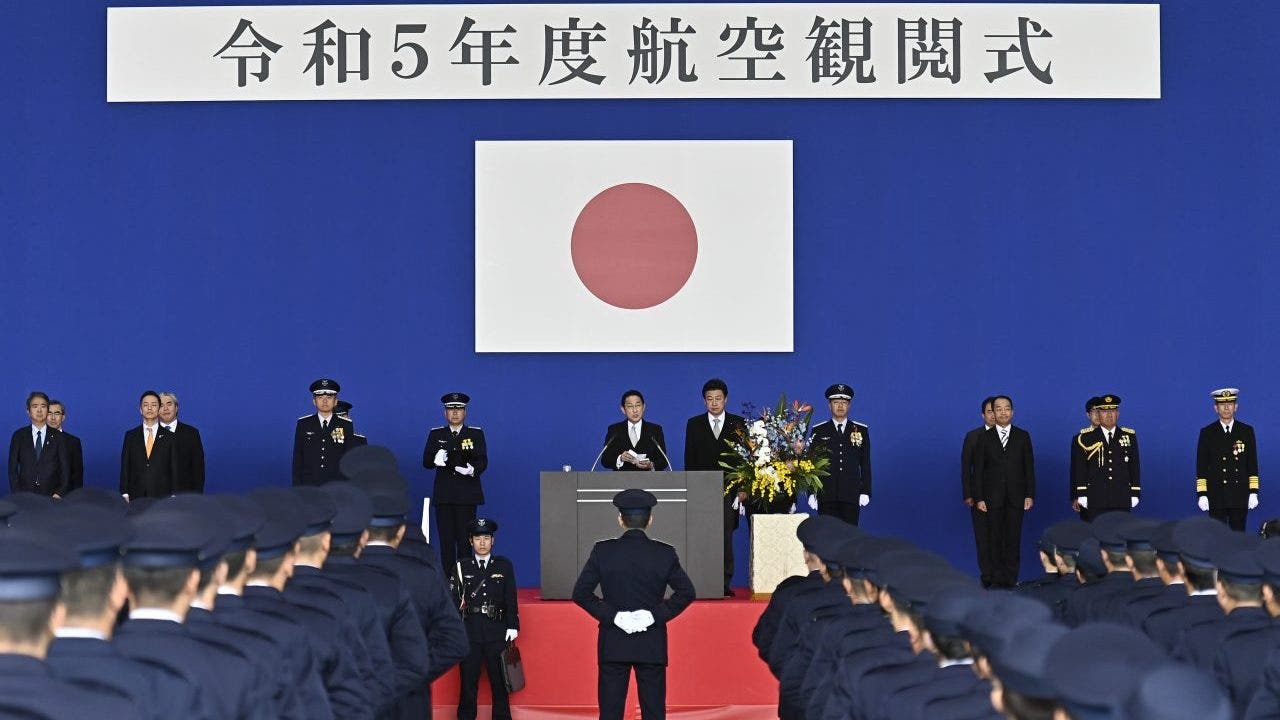
Japan’s decision to dismantle decades of self-imposed restrictions on lethal equipment exports marks a transition from reactive pacifism to a proactive industrial-defense strategy. This shift is not merely a political gesture; it is a calculated response to the breakdown of the domestic defense procurement model. The Three Principles on Transfer of Defense Equipment and Technology, once a rigid barrier, have been recalibrated to address three systemic pressures: the rising unit costs of isolated production, the necessity of regional deterrence through interoperability, and the survival of the domestic defense industrial base.
The Failure of the "Galapagos" Defense Model
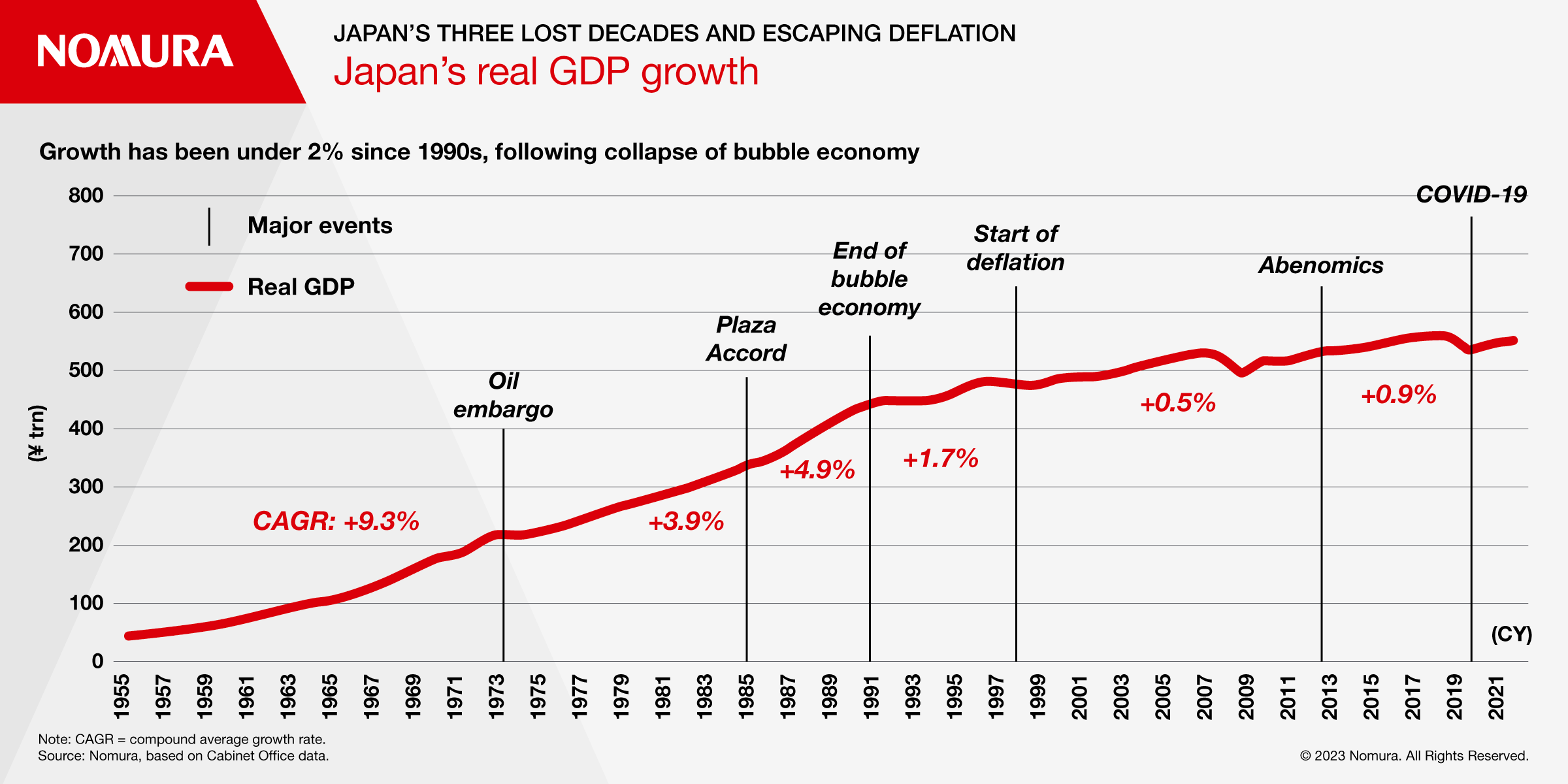
For seventy years, Japan maintained a closed-loop defense economy. This "Galapagos" effect resulted in high-spec, high-cost equipment designed exclusively for the Japan Self-Defense Forces (JSDF). Without the scale provided by international markets, Japanese firms faced an unsustainable cost function. In related updates, we also covered: The Brutal Truth About the Frozen War Over Iran.
The unit cost of a platform is inversely proportional to its production volume. Because Japanese manufacturers like Mitsubishi Heavy Industries (MHI) and Kawasaki Heavy Industries (KHI) could only sell to one customer—the JSDF—the fixed costs of Research and Development (R&D) were amortized over a tiny number of units. This created a negative feedback loop:
- High unit costs led to reduced procurement volumes.
- Reduced volumes further increased the per-unit cost.
- Budgetary constraints forced the JSDF to extend the lifecycle of obsolete platforms.
By opening export pathways, Tokyo aims to shift its production curve. Accessing global markets allows for larger production runs, which lowers the marginal cost per unit through economies of scale. This is not about profit for the sake of commerce; it is about maintaining the fiscal viability of national sovereign defense. Associated Press has analyzed this important issue in great detail.
The Three Pillars of Export Liberalization
The recent policy overhaul functions through three distinct mechanisms, each targeting a specific strategic deficit.
1. Co-Development and Third-Party Transfers
The Global Combat Air Program (GCAP), a trilateral effort with the UK and Italy to build a sixth-generation fighter, serves as the primary catalyst. Under previous rules, Japan could co-develop technology but faced severe limitations on exporting the finished product to third countries. This rendered Japan an unattractive partner for international consortia. The new framework permits the export of finished platforms to countries with which Japan has signed defense cooperation agreements, provided they are not currently in active conflict. This removes the "veto" Japan effectively held over its partners' export ambitions, making Tokyo a viable tier-one collaborator in high-tech aerospace.
2. The Reparation of Peripheral Deterrence
Japan is pivoting from a policy of "denial" to a policy of "capacity building" among regional partners. By exporting patrol vessels, radar systems, and communication infrastructure to Southeast Asian nations, Japan creates a "buffer of interoperability." When the Philippines or Vietnam operates Japanese-made radar systems, the data integration with JSDF and U.S. forces becomes technically seamless. This creates a distributed sensor network across the First Island Chain, complicating the operational calculus for any regional adversary.
3. Preservation of the Tier-2 and Tier-3 Supply Chain
While the primary contractors (the "Primes") can survive on diversified civilian revenue, the specialized sub-contractors—the firms making high-performance gaskets, specialized sensors, or advanced composites—cannot. Between 2003 and 2023, over 100 Japanese firms exited the defense sector because the low-volume domestic market could not sustain their specialized production lines. Liberalizing exports provides these mid-market firms with the "escape velocity" needed to remain profitable. Without these firms, Japan loses its sovereign ability to repair and maintain its own hardware during a protracted engagement.
Logical Constraints and Operational Friction
The transition to an export-oriented defense sector is hindered by structural frictions that the current policy shift only partially addresses.
The Price-Performance Gap
Japanese equipment is famously over-engineered for the specific geography of the Japanese archipelago. A tank designed for the soft soil of Hokkaido may not be competitive in the deserts of the Middle East or the jungles of Southeast Asia. To compete with established exporters like South Korea or France, Japanese firms must undergo a "de-specification" process—simplifying platforms to make them more rugged, affordable, and exportable. This requires a cultural shift in engineering that has not yet materialized.
The Absence of an Export Bureaucracy
Unlike the United States (via Foreign Military Sales) or France, Japan lacks a sophisticated government-to-government sales apparatus. Defense exports are not purely commercial transactions; they are instruments of foreign policy. Japanese trading houses (Sogo Shosha) have the global reach, but they lack experience in the sensitive legal and ethical vetting required for lethal hardware. The current bottleneck is not the law, but the lack of an institutional "playbook" for closing complex international defense deals.
The Strategic Calculus of the "Transfer of Technology"
The most significant shift is the move toward transferring capability rather than just crates. Japan is increasingly looking at licensed production agreements. By allowing partners to manufacture Japanese-designed components locally, Tokyo builds deep, multi-decadal institutional ties with foreign militaries.
This creates a "Path Dependency" effect:
- Initial Acquisition: A partner buys a Japanese sensor suite.
- Maintenance Linkage: The partner becomes dependent on Japanese technical support and proprietary software updates.
- System Integration: Future upgrades are naturally biased toward Japanese hardware to ensure compatibility.
This sequence transforms a one-time sale into a long-term strategic alignment. It is the most effective tool in Japan's diplomatic arsenal to counter regional hegemony without deploying a single soldier.
Probability of Success and Risk Profiles
The success of this strategy is contingent on the stability of the "Non-Conflict" clause. Japan’s current policy forbids exports to countries "where combat is taking place as part of an international armed conflict." This definition is increasingly blurred by gray-zone warfare and hybrid threats.
If Japan exports a radar system to a nation that then enters a conflict, the domestic political backlash in Tokyo could be severe enough to trigger a "snap-back" to restrictive policies. This regulatory risk is the primary deterrent for Japanese firms currently weighing the massive capital expenditure required to scale for export.
Furthermore, Japan faces stiff competition from South Korea’s "K-Defense" model. Seoul has already optimized the path Tokyo is just beginning to walk: high-volume, cost-effective production with aggressive government financing. Japan's entry into the market is late, and its cost structures are currently uncompetitive.
Operational Imperative for the Next Five Years
To move beyond the current rhetorical stage, the Japanese government must transition from policy liberalization to active market creation. The priority must be the establishment of a centralized defense export agency that can provide sovereign guarantees and low-interest financing for buyers.
The industry must prioritize "modular exportability" in the design phase of the next generation of JSDF equipment. Every new platform commissioned for domestic use must have a "stripped" export variant pre-approved during the R&D stage. This eliminates the multi-year delay currently required to modify equipment for foreign sales.
The window for Japan to revitalize its defense industrial base is narrowing. As the regional security environment deteriorates, the ability to produce and export high-end hardware is no longer a matter of economic policy; it is the fundamental requirement for strategic autonomy. The shift is not a break with the past, but a recognition that the "Passive Pacifism" of the 20th century is functionally incompatible with the "Active Deterrence" required for the 21st.