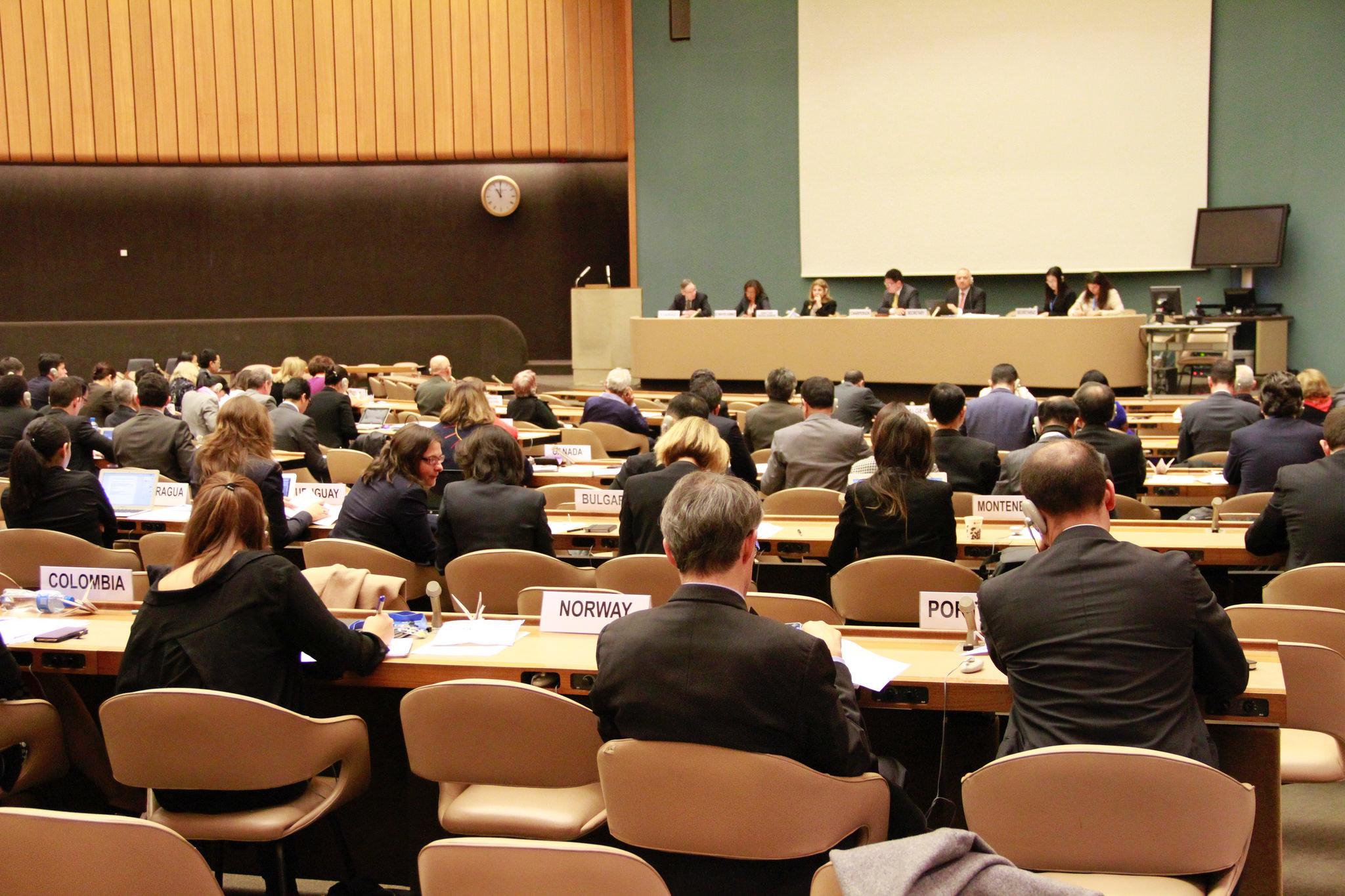
The modern tendency to conflate diplomatic engagement with "deal-making" represents a fundamental category error that jeopardizes long-term institutional stability for short-term variable gains. While a commercial deal is a discrete event characterized by the transfer of assets under defined terms, diplomacy is a continuous process of managing friction and maintaining equilibrium between sovereign or organizational entities. Treating diplomacy as a series of transactional wins ignores the decay of trust and the depletion of social capital, which are the very substrates required for any "deal" to hold.
The Taxonomy of Misunderstanding
The failure to distinguish between these two modes of interaction stems from a breakdown in defining the core objectives of the engagement. To correct this, we must map the structural differences across three specific dimensions:
- Temporal Horizon: A deal is finite. It has a closing date, a delivery schedule, and an expiration. Diplomacy is infinite. It exists to prevent the total cessation of communication, meaning its primary value lies in its persistence, not its conclusion.
- Success Metrics: In a transaction, success is quantified through price, margin, or market share. In diplomacy, success is often the absence of a negative outcome—the war that didn't happen, the trade barrier that wasn't erected, or the regulatory shift that was softened.
- Enforcement Mechanisms: Deals rely on legal frameworks, contracts, and courts. Diplomacy operates in an anarchic environment where "enforcement" is replaced by reputation, reciprocity, and the credible threat of escalation.
When leaders apply a deal-making mindset to diplomatic crises, they prioritize "winning" the immediate negotiation. This often involves using leverage that destroys the relationship's foundation, ensuring that while the current deal is signed, the next five deals become impossible or exponentially more expensive.
The Cost Function of Transactional Diplomacy
The shift toward "deal-driven" foreign or corporate policy introduces specific hidden costs that are rarely accounted for on a balance sheet. These costs manifest as systemic vulnerabilities.
The Erosion of Normative Predictability
Diplomacy relies on norms—unwritten rules that allow actors to predict each other's behavior without constant negotiation. Transactionalism treats these norms as obstacles to be bypassed or traded away for immediate concessions. When a party reneges on a long-standing norm to secure a one-time "win," they increase the "uncertainty premium" for all future interactions. This forces every subsequent engagement to include higher security requirements, more complex verification steps, and deeper layers of contingency planning, effectively slowing down the speed of global or organizational operations.
The Zero-Sum Fallacy
A "good deal" in a commercial sense often implies that one party extracted more value than they conceded. In a diplomatic context, a lopsided victory is a liability. If a treaty or agreement leaves the counterparty humiliated or structurally weakened, that party will immediately begin searching for ways to subvert the agreement. True diplomacy aims for "positive-sum" stability, where the cost of exiting the agreement is higher for both parties than the cost of remaining within its constraints.
Theoretical Frameworks for Sustainable Engagement
To move beyond the limitations of the deal-maker’s trap, organizations and states must adopt formal frameworks that prioritize system health over individual transaction ROI.
The Iterated Prisoner’s Dilemma
In game theory, a single-shot transaction (a "deal") encourages defection or aggressive posturing. However, diplomacy is an iterated game. The mathematical reality of an iterated game dictates that a "Tit-for-Tat" strategy—starting with cooperation and then mirroring the opponent's previous move—is the most effective for long-term survival. Transactionalism mistakenly treats every interaction as a single-shot game, leading to a cycle of mutual defection that destroys value for the entire ecosystem.
Two-Level Game Theory
Effective diplomacy requires managing two distinct audiences simultaneously: the external counterparty and the internal domestic (or corporate) stakeholders. A "deal-maker" often focuses exclusively on the external win, failing to recognize that if the internal stakeholders do not support the outcome, the agreement will be politically or operationally unenforceable. A diplomatic approach calculates the "win-set"—the range of outcomes that are acceptable to both the external party and the internal constituency—before the negotiation even begins.
The Mechanics of Strategic Patience
The pressure to deliver "results" often leads to a premature push for a signed document. This ignores the reality that in complex geopolitical or industrial landscapes, the process of negotiation is often more valuable than the outcome.
- Information Asymmetry Reduction: Continuous diplomatic dialogue allows parties to gather data on the counterparty’s true red lines and internal pressures. A rush to "close" masks this data, leading to agreements built on false assumptions.
- The Signaling Effect: By maintaining diplomatic channels even when no "deal" is on the table, an actor signals their commitment to the system’s stability. This lowers the overall threat perception, reducing the defensive expenditures of all parties involved.
- De-escalation Buffers: Diplomacy provides the "thick" tissue of communication that prevents a misunderstanding from spiraling into a total systemic collapse. A purely transactional relationship has no such buffer; when the deals stop, the relationship ends.
Operationalizing the Shift
Moving from a transactional to a diplomatic posture requires a retooling of the organizational incentive structure. This is not a shift in "vibe" or "culture" but a shift in the KPIs used to evaluate leadership.
- Redefining Performance: Instead of tracking the number of agreements signed, track the "Relationship Health Index"—the frequency of low-stakes communication, the speed of conflict resolution, and the level of transparency in data sharing.
- Decoupling Diplomacy from Crisis: Diplomacy must be an "always-on" function. Organizations that only engage in high-level talks during a crisis are, by definition, operating transactionally. They are trying to "buy" a solution to a problem they allowed to fester.
- Investing in Institutional Memory: Deals are often personality-driven. Diplomacy must be institutional. The knowledge of the counterparty's history, culture, and internal logic must reside within the organization, not just in the head of a single "closer."
The risk of the current trend is clear: we are building a world of brittle agreements. We have become proficient at signing contracts but have lost the ability to maintain the peace that makes those contracts meaningful. The "deal" is merely a snapshot of a moment in time; diplomacy is the film that records the entire story.
The final strategic move for any entity—corporate or sovereign—is to intentionally de-escalate the rhetoric of "winning" the room. Replace it with the objective of "owning" the stability of the environment. The most powerful actor in any system is not the one who walks away with the most chips in a single round, but the one who ensures the game continues to be played on terms they helped define. Shift resources from the "closing desk" to the "engagement desk." Prioritize the maintenance of the channel over the content of the broadcast. In an era of high volatility, the ability to maintain a predictable relationship is the only true competitive advantage. This requires the discipline to walk away from a "good deal" if that deal creates a "bad neighbor." The long-term solvency of the institution depends on this distinction.