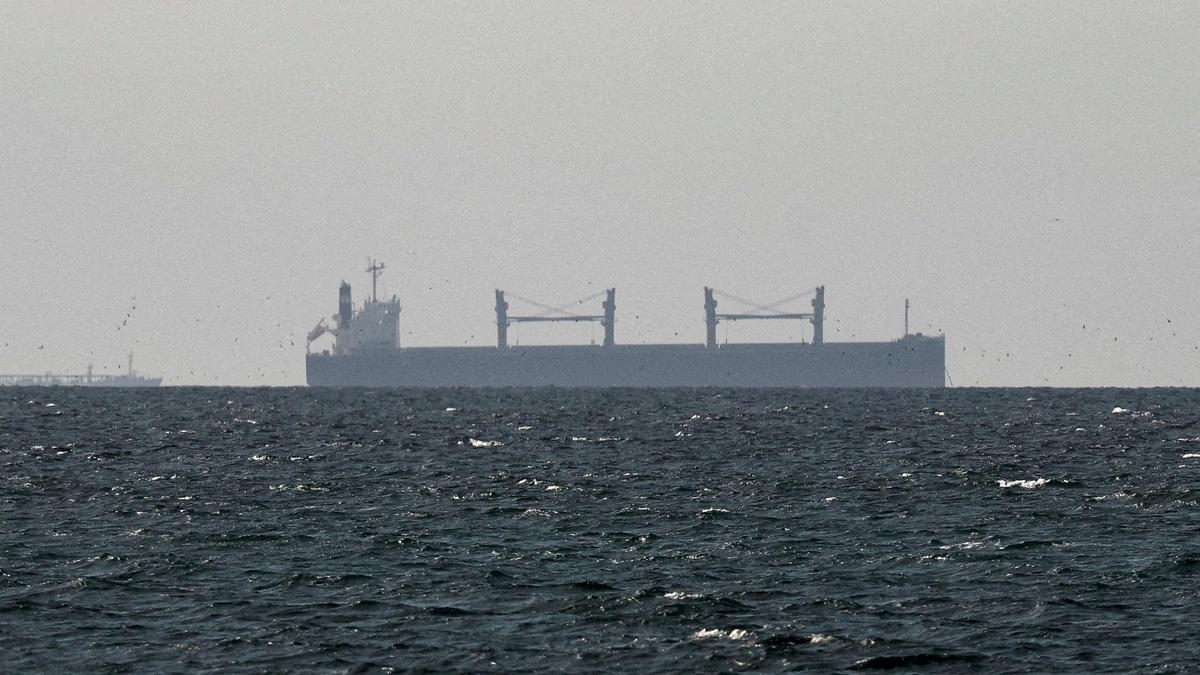
The lights are still on in Seoul, but the clock is ticking. In the first week of April 2026, South Korea officially elevated its national energy security alert to the second-highest level. This is not a bureaucratic drill. It is a desperate response to a physical reality: the Strait of Hormuz, a waterway that carries roughly 70% of the nation’s crude oil, has been effectively closed for over a month.
Since the escalation of the conflict between the United States, Israel, and Iran on February 28, the global energy lifeline has been severed. While the world watches the military maneuvers, South Korea is staring at an economic abyss. The last tanker to successfully navigate the strait arrived at a Korean port on March 20. Since then, the flow has stopped. Finance Minister Koo Yun-cheol recently convened an emergency meeting with ambassadors from the Gulf Cooperation Council (GCC)—Saudi Arabia, the United Arab Emirates, Qatar, Kuwait, Oman, and Bahrain—to beg for a miracle. He asked for two things: a steady supply of energy and the safety of Korean vessels.
The reality is that neither the GCC nor Seoul can guarantee either.
The Mirage of GCC Protection
The diplomatic outreach to the GCC is a necessary performance, but the underlying math is brutal. South Korea is asking its Middle Eastern partners to prioritize its needs as a "top priority" nation. The GCC envoys have signaled their willingness to cooperate, yet their ability to influence the safety of the Hormuz passage is currently near zero.
Iran has made its position clear. While it has signaled that certain nations, like Thailand, may navigate the strait after "coordination," South Korean vessels remain in a geopolitical purgatory. The Iranian ambassador in Seoul, Saeed Koozechi, noted that transit is possible only with Tehran’s explicit oversight. For a nation like South Korea, which relies on the U.S. security umbrella, "coordinating" with an embattled Tehran is a diplomatic minefield that could alienate its primary military ally in Washington.
South Korea’s reliance on this single chokepoint is a structural failure decades in the making. In 2024, the country sourced 55% of its energy products from the Middle East, a bill totaling $144 billion. By 2025, that dependency remained stubbornly high. The GCC states are currently the primary exporters for the very oil and Liquefied Natural Gas (LNG) that South Korea needs to power its semiconductor fabs and petrochemical plants. Without these inputs, the backbone of the Korean economy begins to fracture.
Crude Realities and the $2000 Gas Liter
The domestic impact is already visible. Wholesale gasoline prices in Korea are projected to hit 2,050 won per liter by the end of this month, up from 1,723 won just weeks ago. This is not just a headache for commuters. It is a systemic shock.
The government has implemented a fuel price ceiling—the first in nearly thirty years—to stave off a total inflationary spiral. But price caps are a finger in a crumbling dike. If the oil doesn’t physically arrive, the price becomes irrelevant because the product doesn’t exist. South Korea does hold strategic reserves capable of covering over 200 days of domestic consumption, but these are finite stocks intended for national defense and critical infrastructure. Using them to subsidize civilian gasoline is a gamble that assumes the war will be short.
Critical Resource Vulnerabilities
The crisis extends far beyond the gas pump. The trade ministry is sounding the alarm on industrial raw materials that the public rarely thinks about until they disappear.
- Naphtha: The lifeblood of the petrochemical industry. Japan has already begun halting petrochemical plants; South Korea is likely next.
- Urea: Essential for agricultural fertilizers and the diesel exhaust fluid required by the nation’s trucking fleet.
- Semiconductors: While not directly powered by oil, the massive energy requirements of chip fabrication mean that any power grid instability leads to billion-dollar losses in seconds.
The Pivot to the American Alternative
With the Middle East in flames, Seoul is looking toward the United States to fill the void. This shift was already underway before the war. In 2025, U.S. oil imports reached 16.3% of South Korea’s total imports. That number is set to skyrocket as South Korean trade officials scramble to secure alternative contracts.
The problem is logistics and cost. Shipping oil from the U.S. Gulf Coast to Ulsan is significantly more expensive and time-consuming than the route from the Persian Gulf. Furthermore, the global shipping industry is in chaos. Major carriers have suspended transits through the region, and those willing to take the risk are demanding exorbitant insurance premiums. The "geopolitical premium" on a barrel of oil is currently estimated between $5 and $20, but a prolonged closure of Hormuz could push global prices north of $110 or even $150 if the replacement infrastructure fails to keep up.
The Strategic Failure of Diversification
For years, South Korean administrations have talked about diversifying energy sources. They invested in renewables and flirted with increased nuclear capacity. Yet, the industrial machine of the "Miracle on the Han River" remains tethered to Middle Eastern hydrocarbons.
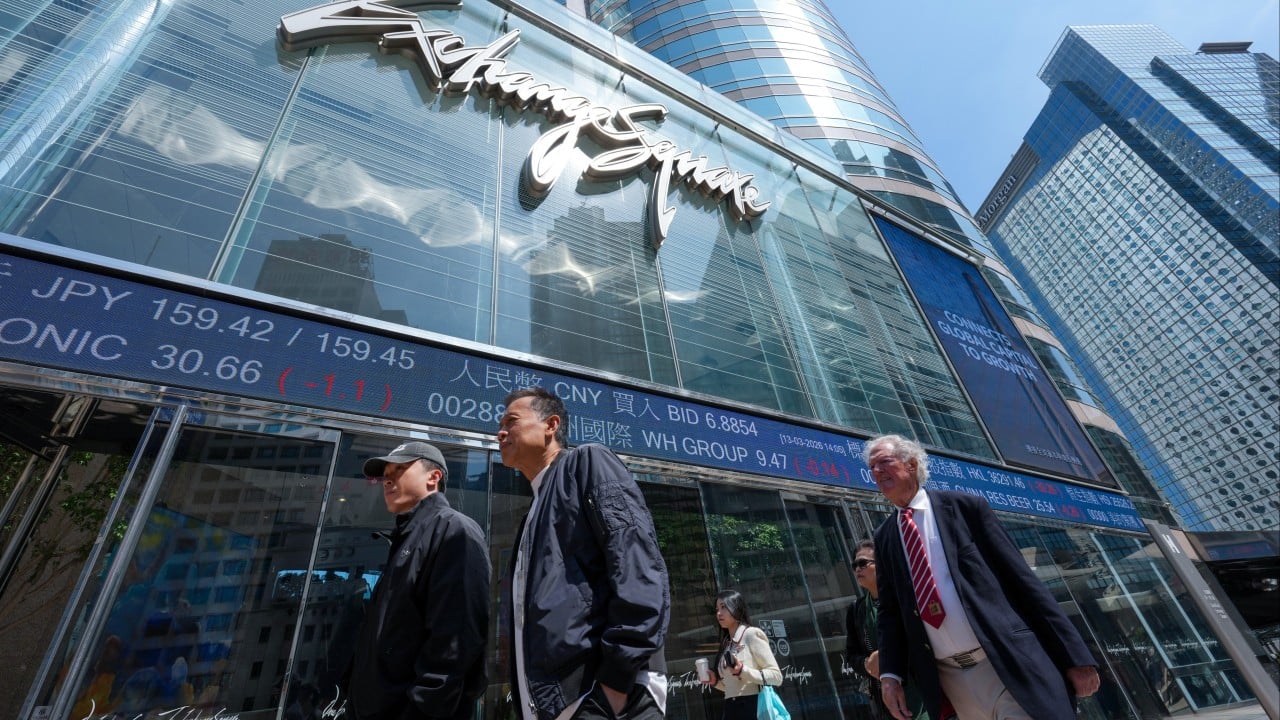
The current crisis has exposed the fact that South Korea is perhaps the most vulnerable non-combatant nation in this conflict. The U.S. Center for Strategic and International Studies (CSIS) recently noted that Korea has suffered the most severe macroeconomic impact among neutral parties. The stock market has seen its worst plunge in 43 years.
The GCC states, for their part, are caught in a vise. They want to maintain their role as reliable suppliers—it is their only source of leverage and income. But they are also facing physical threats to their own infrastructure. The East-West Pipeline in Saudi Arabia and the Abu Dhabi Crude Oil Pipeline to Fujairah offer a way to bypass the strait, but their combined capacity is only about 5.5 million barrels per day. The world needs 20 million barrels per day to pass through Hormuz. The math simply does not work.
A Nation Holding Its Breath
The diplomatic mission to the Gulf is less about securing oil and more about securing a spot in the queue for whenever the taps reopen. South Korea is positioning itself as the "top priority" customer for the day the first tanker is allowed through the blockade.
Until then, the country is surviving on its reserves and a prayer that the U.S. and Israel can either force the waterway open or reach a ceasefire. The suspension of Hormuz transit for over ten days has already created a gap in the supply chain that will take months to normalize, even if the war ended tomorrow.
South Korea’s economic miracle was built on the assumption of globalized, frictionless trade. That world ended on February 28. Now, the nation must navigate a landscape where energy is not a commodity, but a weapon of war, and where its most vital trade route is a kill zone controlled by a hostile power. The "steady supply" the Finance Minister requested is a ghost. The only reality is the dwindling reserve and the rising price of survival.