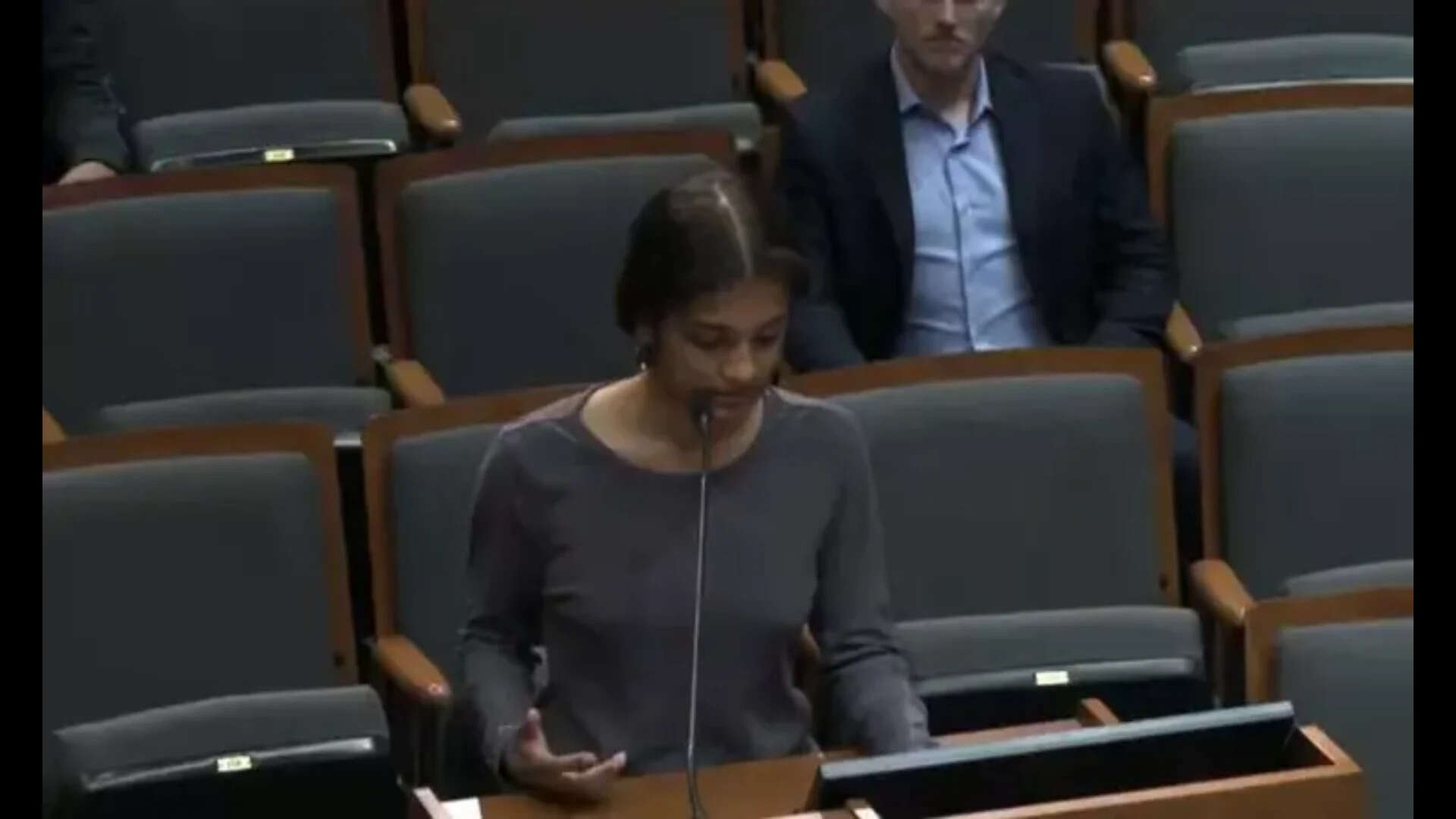
The rapid transformation of suburban municipalities into high-density technology hubs creates a specific type of social volatility where demographic shifts outpace institutional adaptation. In Frisco, Texas, the friction between a legacy "small-town" identity and its current status as a globalized economic engine has reached a tipping point. When an Indian-origin resident addresses a city council to claim she lives on "stolen land" while facing targeted racism, she is not merely making a moral appeal; she is identifying a structural failure in the social contract of high-growth suburbs. This phenomenon occurs when the economic necessity of a diverse, highly skilled workforce collides with a static cultural infrastructure that views these new residents as transient or "other," despite their significant tax contributions and permanent residency.
The Infrastructure of Exclusion in Affluence
Frisco’s growth trajectory is an outlier in American urbanism. Between 2010 and 2020, the city’s population grew by roughly 71%. This growth was not organic but driven by the "corporate relocation" model, drawing in a demographic that is disproportionately Asian and highly educated. According to U.S. Census data, the Asian population in Frisco now accounts for approximately 26% of the total demographic. However, the political and social institutions—the city council, local law enforcement, and homeowner associations—often reflect the demographic realities of 1995 rather than 2026.
This misalignment creates a "representation gap." The specific incident involving the resident’s public testimony highlights three distinct layers of institutional friction:
- The Legitimacy Paradox: Residents of South Asian descent are often viewed through the lens of "economic contributors" rather than "stakeholders." Their presence is welcomed in the office parks of the Platinum Corridor but viewed with suspicion in traditional neighborhood spaces.
- The Weaponization of History: The "stolen land" argument is a strategic rhetorical pivot. By invoking the displacement of Indigenous populations (specifically the Caddo and Wichita tribes in North Texas), the speaker forces a comparison between historical displacement and modern-day exclusion. It challenges the "native" status often claimed by white residents who arrived only a generation earlier.
- The Enforcement Deficit: Public accounts of harassment, such as the "go back to your country" rhetoric cited in council meetings, indicate a failure of local law enforcement to categorize these incidents correctly. Often dismissed as "neighbor disputes," these are systemic indicators of a deteriorating social fabric.
The Economic Cost Function of Social Volatility
Suburban cities like Frisco compete for human capital. The "Frisco Miracle" is predicated on attracting top-tier engineering and management talent. When social friction scales into systemic racism, it creates a "reputation tax" that can impede future corporate relocations and talent retention.
The cost function of this volatility can be mapped through three primary variables:
- V1: Talent Flight Risk: High-net-worth individuals have high mobility. If the perceived quality of life—specifically safety and social acceptance—drops, the exodus of this demographic leads to a direct loss in the local tax base and a decline in property values in premium neighborhoods.
- V2: Institutional Trust Erosion: When a resident feels forced to use a public forum to beg for basic safety, it signals a breakdown in the feedback loop between the citizenry and the government. This leads to lower civic engagement and the formation of insular ethnic enclaves, which further exacerbates social tension.
- V3: Brand Devaluation: Frisco markets itself as a "Sports City" and a hub for innovation. Racist incidents, especially those that go viral or reach international news, contradict this branding and can deter global investors who prioritize ESG (Environmental, Social, and Governance) criteria.
The Cognitive Dissonance of Texas Suburbanism
Texas suburban growth is built on the promise of the American Dream—homeownership, excellent schools, and safety. However, this dream is increasingly bifurcated. For the South Asian community in North Texas, the "safety" component is frequently compromised by a resurfacing of nativist sentiment.
The resident’s address to the council stripped away the polite veneer of suburban discourse. She highlighted a fundamental cognitive dissonance: the city wants the tax revenue, the prestige of the "Best Place to Live" rankings, and the high-tech workforce, but it remains hesitant to defend that workforce against the fringe elements of its legacy population.
This is not a localized issue of "mean neighbors." It is a structural failure of the municipal government to recognize that their demographic reality has changed irrevocably. The failure to address hate speech and targeted harassment with the same vigor they use to attract a Fortune 500 headquarters is a strategic oversight.
Structural Mechanisms of Targeted Harassment
To analyze why these incidents persist, we must look at the mechanisms of modern suburban racism. It is rarely the "backwoods" stereotype; it is often middle-class, neighbor-on-neighbor aggression.
- Proximal Conflict: Friction occurs in shared spaces—parks, grocery stores, and neighborhood sidewalks. These are the front lines where the "stolen land" rhetoric meets the "you don't belong here" mindset.
- Digital Amplification: Local Facebook groups and Nextdoor apps serve as echo chambers where micro-aggressions are validated. When these online sentiments spill over into physical confrontations, the transition is often rapid and violent.
- Administrative Apathy: When victims report these incidents, they often encounter a "neutrality" from officials that functions as a tacit endorsement of the harasser. By treating a targeted racial attack as a "civil matter," the institution abdicates its responsibility to maintain public order.
The Geopolitical Context of Local Grievance
The "Indian-origin" identifier is significant. The North Texas corridor (Plano, Frisco, McKinney) has one of the highest concentrations of Indian Americans in the United States. This group is often characterized by high household income and high educational attainment. The resentment directed toward them is frequently rooted in "economic displacement" anxiety—a fear that the newcomers are "winning" the meritocratic race.
By stating "We live on stolen land," the resident effectively deconstructs the hierarchy of belonging. She asserts that if her presence is illegitimate, then the presence of those harassing her is equally illegitimate under the same historical scrutiny. This is a sophisticated use of post-colonial theory to answer a crude nativist attack. It moves the conversation from "I deserve to be here because I pay taxes" to "None of us have an inherent, ancient right to this specific plot of dirt, so let's focus on the law and mutual respect."
The Representation Gap in Municipal Governance
A primary bottleneck in resolving these tensions is the lack of descriptive representation. While the Asian population in Frisco is over 25%, the City Council and key administrative positions do not reflect this. This creates a disconnect in empathy and understanding when issues of racial harassment are raised.
The "Representative Deficit" produces several outcomes:
- Language Barriers in Crisis: A lack of multi-lingual support in public safety reporting.
- Cultural Blindness: Failure to recognize specific cultural stressors or the gravity of certain insults/actions within the South Asian community.
- Delayed Response: Policies to address hate speech or bias are often reactive—passed only after a national news cycle—rather than proactive.
Strategic Realignment for High-Growth Municipalities
For a city like Frisco to sustain its economic trajectory, it must move beyond "celebrating diversity" and toward "securing inclusion." This requires a shift in how municipal power is exercised.
Immediate Policy Intervention: The Bias Incident Task Force
Cities must establish a specialized unit within local law enforcement that handles bias-motivated harassment that may fall below the threshold of a "hate crime" but violates the community's safety standards. This unit provides a clear pathway for victims to report incidents without fear of being dismissed.
Institutional Integration: The Stakeholder Model
Municipalities should transition from a "representative" model to a "stakeholder" model. This involves actively recruiting members of the minority professional class into civic leadership roles, boards, and commissions. This ensures that the demographic driving the city's economic growth is also steering its social policy.
Rhetorical Leadership: Redefining the "Native"
City leadership must explicitly redefine what it means to be a "Frisco resident." This definition must be decoupled from length of residency and coupled with current contribution and legal status. When the Mayor and Council publicly condemn harassment not just as "wrong," but as an "attack on the city’s economic future," it changes the incentive structure for potential harassers.
The volatility in North Texas is a precursor to what many "Boom-towns" will experience over the next decade. The cities that thrive will be those that realize social cohesion is not a "soft" metric, but a hard requirement for economic stability. If a city cannot protect the people it worked so hard to recruit, it will eventually lose them. The "stolen land" testimony was a warning shot; the strategic response from the city will determine if it is the first sign of a decline or the catalyst for a more resilient social contract.