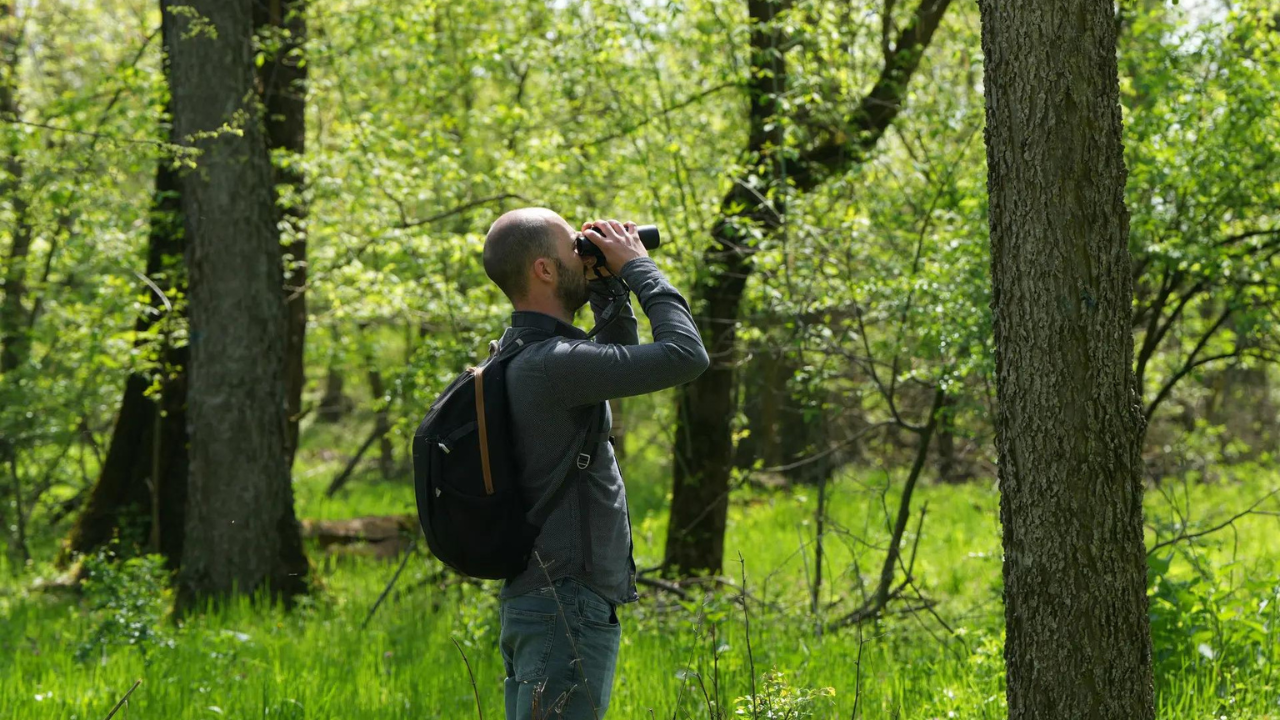
In the marshes and thickets of northern Serbia, the battle for biodiversity is no longer being fought with protest signs or legal filings that stall for years in gridlocked courts. Instead, it is being won with bank transfers. While international NGOs often get bogged down in bureaucratic "capacity building," a group of local birdwatchers known as the Association for the Protection and Study of Birds of Serbia (DZPPS) has pivoted to a raw capitalist solution to an environmental crisis. They are crowdfunding the purchase of threatened land to keep it out of the hands of industrial agriculture and logging interests.
This isn't just a feel-good story about feathered friends. It is a cold-eyed response to the systemic failure of state-led conservation in the Balkans. By bypassing the government and appealing directly to the public’s wallet, these activists are creating a private reserve system that challenges the traditional model of European land management. They have realized that in a region where environmental regulations are often treated as suggestions, the only way to truly protect a forest is to own the deed.
The Failure of State Stewardship
For decades, the Serbian government has maintained a tenuous grip on protected areas. On paper, thousands of hectares are "saved." In reality, these regions are often subject to "sanitary logging"—a loophole large enough to drive a timber truck through. When the state owns the land, the state can change the rules overnight. This vulnerability led the DZPPS to a radical conclusion. If they wanted to guarantee the survival of the Red-footed Falcon or the European Roller, they had to remove the land from the public ledger entirely.
The strategy focused on the Radanovac forest and the surrounding steppes near Subotica. This area is a critical stopover for migratory birds, yet it faced encroachment from intensive farming. In these rural zones, land prices are often low enough that a well-coordinated online campaign can move the needle. They didn't wait for a million-dollar grant. They asked for ten dollars from thousands of people.
Why Private Ownership Beats Public Protection
The "commons" in Eastern Europe are frequently exploited because of a lack of clear accountability. When the DZPPS buys a plot, they aren't just holding it; they are managing it with a level of granular detail that a government department never could. They are replanting native species, removing invasive scrub, and—most importantly—patrolling the borders.
- Speed of Action: A government acquisition can take five years of legislative debate. A crowdfunded purchase takes as long as the bank needs to clear the wire.
- Irrevocable Intent: Unlike state parks, which can be de-gazetted by a new administration hungry for mining or infrastructure development, these private holdings are governed by the association’s bylaws, which are laser-focused on conservation.
- Community Stakeholding: When a local farmer contributes 500 dinars to buy the woods next door, he isn't just a resident anymore. He is a shareholder in the ecosystem.
This model shifts the power dynamic. It turns conservation from a top-down mandate into a bottom-up land grab for the sake of the planet. It’s an aggressive, tactical use of property rights to check the expansion of unsustainable industry.
The Economic Reality of the Serbian Steppe
Critics might argue that private conservation is a drop in the bucket compared to the massive scale of industrial degradation. They are right, if you only look at the raw acreage. But ecology isn't about bulk; it's about corridors and nodes. By purchasing small, strategic "stepping stone" plots, the DZPPS can link larger, fragmented habitats. This creates a functional network that allows species to migrate and breed, effectively magnifying the impact of every square meter they own.
The cost of this land is rising. As Serbia inches closer to various European trade standards, land speculation is heating up. The birdwatchers are in a literal race against developers. Every month they wait to hit a fundraising goal, the price per hectare in the Vojvodina region creeps upward. This creates a sense of urgency that many traditional environmental groups lack. They aren't just "raising awareness." They are closing deals.
The Risk of the Green Island
There is a danger in this approach that must be acknowledged. By creating private sanctuaries, do we give the state an "out"? If civil society proves it can save the birds on its own, the government might feel less pressure to enforce existing environmental laws on public land. We risk a future of "Green Islands"—tiny, perfectly managed pockets of nature surrounded by a desert of industrial waste and monoculture crops.
However, the activists argue that they don't have the luxury of waiting for the state to develop a conscience. The birds are dying now. The forests are being felled today. In the pragmatic world of Balkan conservation, a small, private, secure forest is infinitely more valuable than a massive, public, neglected one.
A Blueprint for the Rest of the Region
What started as a niche campaign for birders is now being watched by environmentalists across Montenegro, Bosnia, and Albania. The "buy-back" model is scalable. It bypasses the corruption that often swallows up international environmental aid and puts the power directly into the hands of those who live on the land.
The success of the Serbian model depends on three factors that other groups must replicate if they want to move beyond symbolic protests:
- Hyper-transparency: Every cent raised is tracked, and every deed purchased is made public. This builds the trust necessary for recurring donations.
- Scientific Prioritization: They don't buy the prettiest land; they buy the most biologically vital land, even if it looks like a patch of weeds to the untrained eye.
- Local Integration: They work with local shepherds and small-scale farmers to ensure the "protected" land doesn't become an enemy of the local economy.
The association has proven that people will pay to protect what they love, provided they see a direct, tangible result. They aren't buying a promise. They are buying the ground beneath their feet.
The Hard Truth of Conservation Capital
We have to stop viewing environmentalism as a series of petitions and start viewing it as a real estate play. The world is divided into titles and deeds. If the people who care about the survival of a species do not own the habitat, they are merely guests in someone else's boardroom. The Serbian birdwatchers have stopped being guests. They have become landlords for the wild.
The next time you see a patch of woods slated for "redevelopment," don't just call your representative. Check the price per acre. Start a fund. Buy the land. In the current global climate, the most radical thing an activist can do is produce a signed contract of sale.
Stop asking for permission to save the world and start outbidding the people who are destroying it.