New York State just handed back $73.4 million in federal highway funds because it failed to strip 33,000 commercial driver’s licenses from operators who should have been off the road. The penalty, handed down by the Federal Motor Carrier Safety Administration (FMCSA), isn't just a clerical error. It is the price of a systemic breakdown between the Department of Motor Vehicles and federal oversight bodies. While Albany scrambles to frame this as a technical hiccup, the reality is a dangerous mix of outdated IT infrastructure and a refusal to prioritize road safety over administrative convenience.
This isn't a story about a missing check. It is about a state government that ignored a decade of warnings regarding its "lifetime" licensing loopholes and is now paying for that arrogance with taxpayer money.
The Cost of Administrative Inertia
The federal government doesn't pull $73 million out of a state's pocket for a minor mistake. This specific clawback stems from New York’s failure to comply with the Drug and Alcohol Clearinghouse regulations. These rules are straightforward: if a commercial driver fails a drug test or refuses one, they go into a prohibited status. The state is then required to downgrade that license within 60 days.
New York didn't do it. Instead, it allowed 33,000 drivers—many with histories of substance abuse while operating 80,000-pound rigs—to keep their credentials.
The financial hit hits the State’s Dedicated Highway and Bridge Trust Fund. For those keeping score, that is money meant for fixing the crumbling spans and pothole-riddled stretches of the BQE and I-87. By failing to push a button on 33,000 files, the state has effectively halted dozens of infrastructure projects before they even started.
The Technical Debt Trap
The DMV often points to "legacy systems" as the villain. It's a convenient excuse. In the world of high-stakes logistics, blaming a 40-year-old mainframe for a public safety failure is like a pilot blaming a paper map for flying into a mountain. The technology to sync these databases exists and is used effectively by dozens of other states.
What we are seeing is the result of Technical Debt. New York has spent years layering new digital interfaces over ancient, brittle code. When the FMCSA mandated the Clearinghouse integration, the state’s systems couldn't handle the automated handshake required to process downgrades at scale.
A Culture of Non-Compliance
For years, New York has operated with a certain level of defiance toward federal trucking mandates. The state has historically been slow to adopt the "Commercial Driver’s License Information System" (CDLIS) updates. This latest $73.4 million penalty is merely the loudest alarm in a series of quiet warnings that federal regulators have been issuing since 2020.
The state was warned that its "Drug and Alcohol Clearinghouse-II" compliance was falling behind. They didn't listen. They treated the deadline as a suggestion, assuming the federal government wouldn't actually gut their highway budget. They were wrong.
The Human Risk on the I-95 Corridor
Let’s move past the balance sheet. The real danger is the 33,000.
These are not drivers with minor paperwork issues. To end up on the "prohibited" list of the Clearinghouse, a driver must have tested positive for controlled substances or alcohol, or refused a test entirely. These are individuals who are legally barred from operating a commercial vehicle across state lines.
By failing to revoke these licenses, New York created a "safe harbor" for unsafe operators. A driver could fail a drug test in Ohio, have it reported to the federal database, but continue to drive legally on a New York-issued license because Albany’s DMV hadn't processed the paperwork.
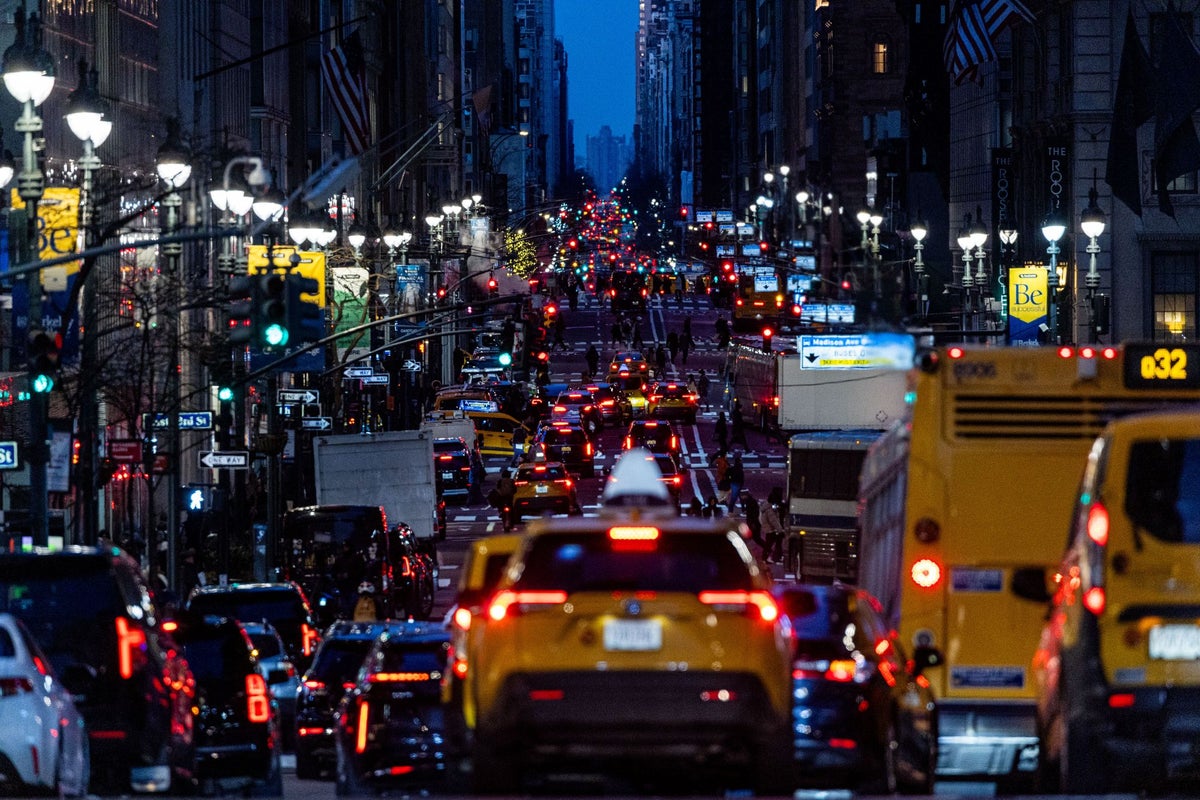
Imagine a fuel tanker or a double-trailer rig weaving through Manhattan traffic, piloted by someone the federal government has flagged as a high-risk substance abuser. That was the reality for thousands of daily commutes. The $73 million is a pittance compared to the potential liability of a single catastrophic accident caused by a driver who should have been sidelined months ago.
The Logistics Industry Impact
The trucking industry is already under immense pressure. Insurance premiums are skyrocketing, and the "nuclear verdict" phenomenon—where juries award tens of millions in damages for truck accidents—has put many small fleets out of business.
When a state fails to manage its licensing pool, it hurts the honest operators.
- Insurance Spikes: Actuaries look at state-wide risk. If New York is known for "dirty" licensing pools, every carrier based in the state sees a premium bump.
- Unfair Competition: Safe companies invest heavily in testing and compliance. They are being undercut by "bottom-feeder" outfits that hire the drivers New York refuses to disqualify.
- Regulatory Scrutiny: This failure invites more federal audits, slowing down the licensing process for new, clean drivers who are desperately needed to solve the supply chain crunch.
The Myth of the Driver Shortage
Industry lobbyists often scream about a driver shortage to justify loosening regulations. This $74 million disaster proves that the problem isn't a lack of bodies; it's a lack of qualified, safe professionals. Keeping 33,000 ineligible drivers on the road doesn't solve a shortage; it just lowers the bar until the bar no longer exists.
Broken Bridges and Redirected Funds
The $73.4 million penalty represents roughly 5% of New York’s federal highway apportionment. To put that in perspective, that could have funded the total rehabilitation of several dozen local bridges or paved hundreds of miles of rural roads.
The Governor’s office has been quiet on which specific projects will be cut to cover the deficit. They don't want to admit that the bridge in your district isn't getting fixed because the DMV couldn't manage a spreadsheet.
Federal law is clear: 23 U.S.C. 159 requires this withholding. It isn't a negotiation. It is a mandate. If New York fails to rectify the situation by the next fiscal cycle, the penalty could double. We are looking at a potential $150 million hole if the "technical issues" aren't resolved immediately.
Why Fixing This Isn't Just About Software
You can buy the best software in the world, but it won't fix a department that lacks accountability. The New York DMV has long been a black box of patronage and glacial movement. To fix the licensing crisis, the state needs to do more than update its servers.
It needs a hard audit of its inter-agency communication protocols. When a federal "prohibited" status hits the wire, it should trigger an automatic, human-in-the-loop verification that results in a license downgrade within 48 hours. Sixty days—the federal limit—is already a generous window. New York couldn't even meet that.
The Counter-Argument
Defenders of the DMV might argue that the 60-day window is too short for due process. They claim that drivers deserve a hearing before their livelihood is taken away. This is a red herring. The "due process" happens at the time of the drug test. The Clearinghouse entry is the result of a verified lab result or a refusal. The license downgrade is a secondary administrative action required to keep the public safe.
Waiting for a manual hearing for 33,000 drivers is a recipe for the exact failure we are seeing now. Automation is the only way forward.
The Immediate Mandate
The state must now prove to the FMCSA that it has cleared the backlog. This involves more than just deleting files; it requires a massive, manual review of tens of thousands of records to ensure that those who have completed "Return-to-Duty" programs are treated fairly, while those who haven't are stripped of their driving privileges.
This will cost millions more in overtime and consulting fees. The $73.4 million was just the entrance fee for this disaster. The true cost of remediation will likely push the total closer to $100 million.
Taxpayers are essentially paying twice: once for the lost federal funds, and again to fix the mess that caused the loss in the first place.
New York’s leadership often talks about being a "progressive leader" in infrastructure and safety. But when you can’t manage the basic data integrity of the most dangerous vehicles on your roads, that talk is empty. The federal government didn't "take" New York's money; New York threw it away by choosing bureaucratic laziness over public safety.
The next time you hit a pothole on the Tappan Zee or sit in traffic on a bridge under "emergency repair," remember the 33,000 drivers Albany couldn't be bothered to track. That is where your tax dollars went.