Municipal golf is the ultimate Rorschach test for local taxpayers. To some, it is a vital public utility, a green lung in a concrete grid where a retiree can walk eighteen holes for the price of a modest dinner. To others, it is an elitist land-grab, a subsidized playground for a dwindling demographic that guzzles water and chemical fertilizers while city infrastructure crumbles elsewhere.
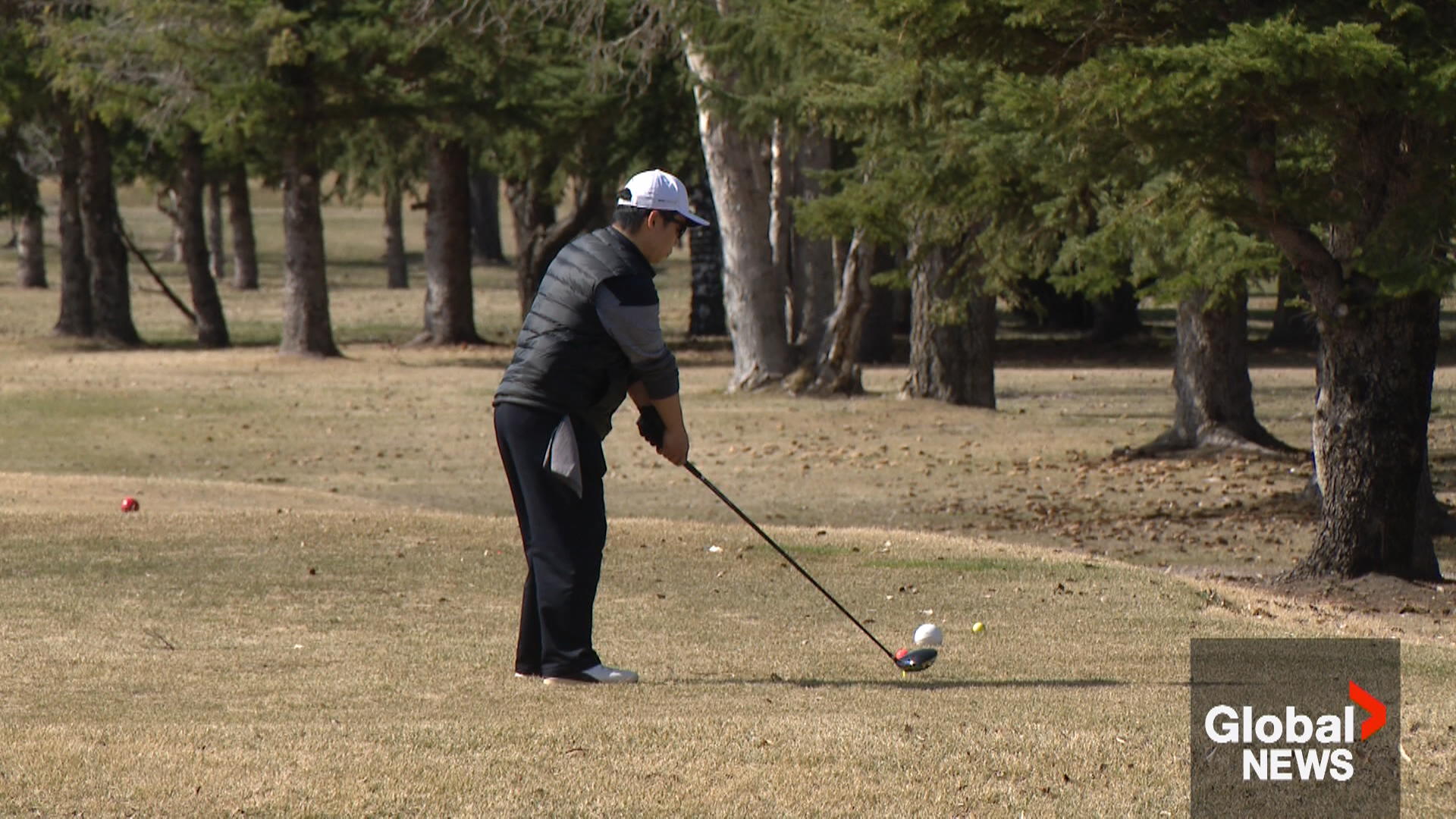
On May 1, 2026, Regina and Saskatoon officially triggered this debate once again as the first tee times of the season went live. While the local news cycle treats the opening of Murray, Tor Hill, and Holiday Park as a simple seasonal transition—like the return of the geese or the appearance of the first pothole—the reality beneath the turf is a high-stakes balancing act of financial survival and environmental optics.
The Record-Breaking Illusion
Regina is entering the 2026 season on the heels of a statistical high. Last year, the city recorded over 140,000 rounds across its municipal portfolio. On paper, that is a triumph. In reality, it is a desperate sprint to stay ahead of an escalating overhead.
The cost of maintaining a championship-level fairway has surged. Inflation has not been kind to the turf department, where labor costs are projected to climb by over 7% this year alone. In Saskatoon, the city’s 2024-2025 budget cycles revealed a hard truth: to achieve 100% cost recovery, green fees must climb. The days of "cheap" municipal golf are evaporating, replaced by a "pay-to-play" model that looks increasingly like the private sector.
When a city claims its courses are "self-sustaining," they are often excluding the massive capital reserves needed for equipment replacement and irrigation overhauls. A single failed water main or a collapsed drainage system can turn a profitable season into a taxpayer liability overnight.
The Water Problem No One Wants to Discuss
Beyond the ledger lies the environmental cost. We are living through an era of unpredictable prairie droughts. Golf courses are, by their very nature, thirsty.
While Regina's parks department emphasizes "sustainable management," the optics of emerald-green fairways during a Stage 2 water restriction are a PR nightmare waiting to happen. Modernizing these courses is not about aesthetics; it is about survival. In Edmonton and elsewhere, cities are being forced to spend millions on "targeted irrigation"—installing hundreds of high-tech sprinklers that use moisture sensors to prevent over-watering.
If Regina and Saskatoon don’t make these deep-soil investments now, they risk a future where the province or the public demands they turn off the taps. You cannot play golf on a dust bowl, but you also cannot justify watering a hobby when the municipal reservoirs are low.
The Land Value Trap
The most aggressive counter-argument to the 2026 opening isn't about the game itself—it's about the dirt.
Regina’s Murray or Saskatoon’s Wildwood occupy hundreds of acres of prime real estate. As housing shortages intensify across the Canadian prairies, urban planners are quietly eyeing these rolling hills. The question is no longer "is golf fun?" but rather "is this the best use of 150 acres of serviced land?"
The city of Regina has held firm, viewing these courses as essential "open space services." But the pressure is mounting. To justify keeping this land out of the hands of developers, these courses must prove they serve more than just the golfer. They need to be bird sanctuaries, carbon sinks, and winter recreation hubs. If they remain exclusive enclaves for six months of the year and gated graveyards for the other six, the "public" part of municipal golf will eventually be voted out of existence.
The 2026 Strategy
For the golfer standing on the first tee at Joanne Goulet or Silverwood this week, the price of a round has gone up, but the experience remains a bargain compared to the private clubs.
The cities are betting that by pushing for record volume—more rounds, more cart rentals, more clubhouse burgers—they can outrun the rising costs of fertilizer and fuel. It is a volume-based survival strategy. They are operating on razor-thin margins where a rainy June or a smoky August can crater the annual budget.
This season is about more than just the "first swing." It is a test of whether the municipal model can withstand the twin pressures of a tightening economy and a more scrutinizing public. The fairways are open, but the grass has never been under more pressure.
Golfers should enjoy the walk while they can. The price of the turf is going up, and the city’s patience for subsidizing the "good walk spoiled" is wearing thin.