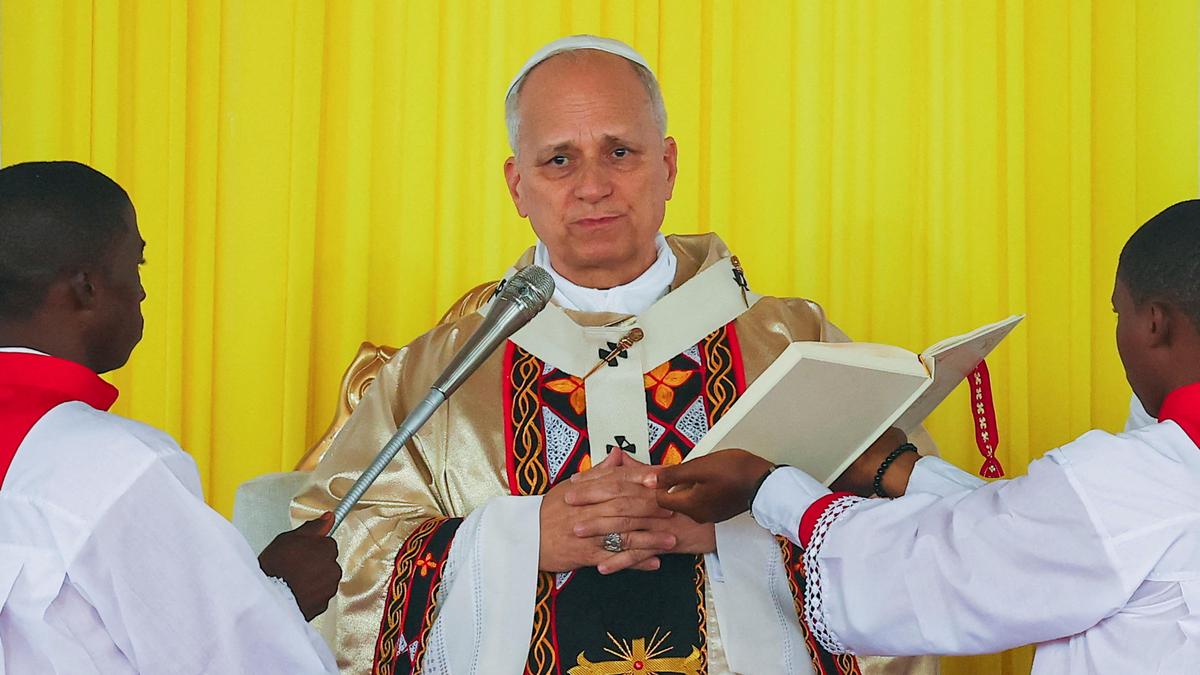
The world is being ravaged by a handful of tyrants, yet it’s held together by a multitude of supportive brothers and sisters. That isn't just a soundbite. It's the rallying cry Pope Leo XIV delivered this Thursday from the heart of Cameroon’s conflict-torn western region.
If you think this was just another religious leader giving a polite speech about "peace," you’re wrong. This was a blunt, aggressive takedown of the global power structures that profit from misery. Standing in Bamenda—a city scarred by a decade of separatist violence—the first American Pope didn't hold back. He aimed his fire at the "masters of war" and the corporate vultures who treat the African continent like a private ATM while the people bleed.
The true cost of the tyrants' greed
Leo XIV’s visit to Bamenda wasn't just symbolic. It was a calculated move. This region is the epicenter of the Anglophone crisis, a conflict that’s killed thousands and displaced hundreds of thousands since 2017. For years, the world basically looked the other way. Leo didn't.
He arrived to a scene that felt more like a rock concert than a liturgy. Crowds danced. Horns blared. The energy was electric because someone finally acknowledged their trauma on a global stage. But the Pope’s message was far from a celebration. He pointed directly to the "moral, social, and political corruption" stifling Cameroon.
Then he went global. He linked the local suffering to a broader, more sinister pattern. "Those who rob your land of its resources generally invest much of the profit in weapons," he said. It’s an endless cycle. Destabilization leads to death, and death leads to more profit for the weapon-makers.
Why the environment is the first victim
When the Pope talks about "tyrants ravaging the Earth," he isn't just talking about dictators. He’s talking about an "exploitation of God’s creation" that should turn every honest stomach.
Cameroon sits on a goldmine—literally. Oil, natural gas, cobalt, gold, and diamonds. But the people living on top of these riches are often the poorest. While French, English, and Chinese companies fight over extraction rights, the local environment gets trashed and the profits vanish into foreign bank accounts. Leo XIV called this out as a "world turned upside down."
- Weaponized Religion: The Pope slammed leaders who use the name of God to justify military or economic gain. He called it "dragging that which is sacred into darkness and filth."
- The Debt Trap: He’s pushing for a "decisive change of course," suggesting that the global North owes an "ecological debt" to the South.
- Neglected Crises: By choosing Bamenda, he forced the cameras to look at a war the mainstream media has largely ignored for years.
More than just talk in the St. Joseph Cathedral
Leo didn't just preach to the choir. He sat down for a "Meeting for Peace" with a diverse group: a Mankon traditional chief, a Presbyterian moderator, an imam, and a Catholic nun. It was a masterclass in interfaith diplomacy. The goal was simple: prove that religion should be a bridge, not a battlefield.
But don't think everyone is convinced. In the streets of Bamenda, reality is harsher. I look at stories like Morine Ngum’s, a 30-year-old widow whose husband was killed by soldiers. For her, a papal visit doesn't bring back the dead or rebuild a bombed-out home. "Nothing is going to change," she told reporters. That’s the heavy truth Leo XIV is up against. Words are powerful, but they don't stop bullets.
The geopolitical friction with Trump
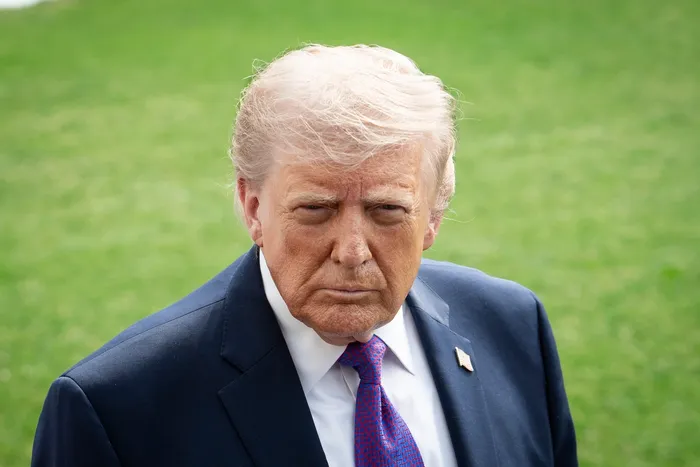
You can’t talk about this trip without mentioning the elephant in the room: the escalating war of words between Pope Leo XIV and U.S. President Donald Trump. On the eve of this African tour, Trump launched fresh social media attacks on the Pope.
Leo’s response in Cameroon was a masterclass in "showing, not telling." He didn't need to name Trump to make his point. When he criticized leaders who spend billions on devastation while claiming there’s no money for healing or education, everyone knew who he was looking at. He’s positioning the papacy as a moral counter-weight to a specific brand of nationalist, "me-first" politics.
What this means for the rest of Africa
Cameroon is just the second stop on an 11-day journey that includes Algeria, Angola, and Equatorial Guinea. This isn't a "greatest hits" tour of easy destinations. He's visiting places with deep scars from colonialism, civil war, and corporate exploitation.
The Pope is betting that by speaking directly to the marginalized, he can spark a "cultural change." He’s operating on the belief that there are no lasting political changes without a shift in how we value human life and the planet.
If you want to support the message Leo XIV is pushing, start by looking at where your stuff comes from. The cobalt in your phone and the gold in your jewelry often come at the cost of the very peace the Pope is fighting for in places like Bamenda. Support organizations like the Catholic Relief Services or Human Rights Watch, which are on the ground in Cameroon. Most importantly, demand that your political leaders stop treating foreign policy like a zero-sum game of resource extraction. The "handful of tyrants" only stay in power as long as the rest of us stay silent.