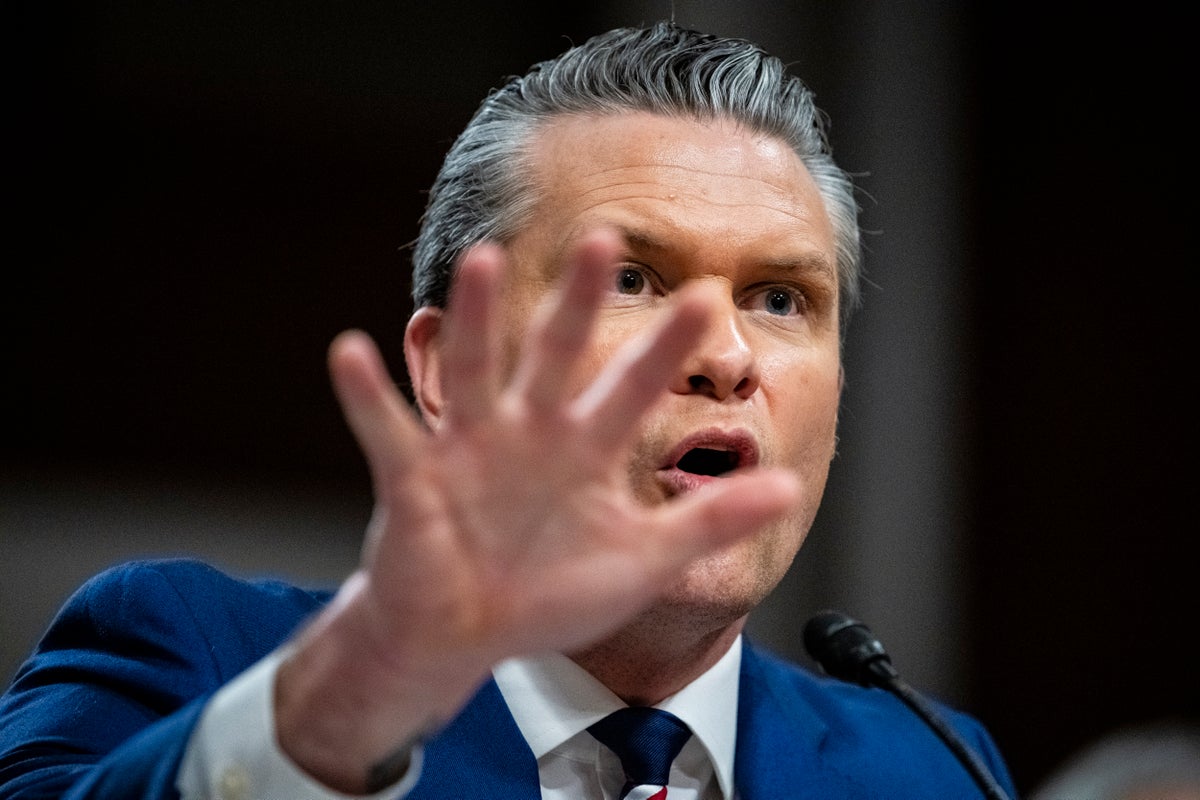
The recent showdown in the Senate wasn't just another round of political theater. It was a high-stakes collision between Pete Hegseth's "warrior culture" and a growing list of concerns over a $25 billion war in Iran that many didn't see coming. If you've been watching the news, you've seen the headlines, but the real story lies in the details of the strategy being laid out for 2026. Hegseth isn't backing down, and the numbers he brought to Capitol Hill suggest the U.S. is doubling down on a conflict that's already hitting the average American's wallet at the gas pump.
The Massive Price Tag of a Two Month Conflict
The Pentagon finally put a number on the board, and it's a staggering $25 billion. That's what eight weeks of fighting in Iran has cost the U.S. so far. Most of that cash is being burned on munitions—missiles and bombs that are being used at an incredible rate. During the hearing, Hegseth faced a barrage of questions about whether this is a "quagmire." He didn't take the bait. Instead, he called the operation an "astounding military success."
But here's the part that hits home. Gas prices have jumped by over $1.30 a gallon since the war started. With the Strait of Hormuz blocked, the global oil market is in a chokehold. Hegseth's response to the economic pain? He pivoted. He asked what the cost would be if Iran wielded a nuclear weapon. It's a classic hawk's defense, but it doesn't change the fact that the Pentagon is asking for a record-shattering $1.5 trillion budget for 2027 to keep this machine running.
Troops at Polling Sites and the Constitutional Friction
One of the most heated moments in the Senate chamber didn't involve foreign soil, but our own. Lawmakers grilled Hegseth on the potential use of active-duty troops at domestic polling sites. It's a topic that makes constitutional experts lose sleep. Hegseth's stance has been consistently focused on "readiness" and "meritocracy," but his refusal to rule out certain domestic deployments has critics on both sides of the aisle on edge.
The tension isn't just about the law; it's about the "warrior culture" Hegseth is hell-bent on installing at the Pentagon. He wants a military that's "laser-focused on warfighting" and free from what he calls "diversity quotas" that divide the ranks. This isn't just talk. He's already overseen the ousting of top brass, like Gen. Randy George, claiming we need "new leadership" that doesn't follow "stupid rules of engagement."
The Munitions Gap and Global Vulnerability
If you think the Iran war is an isolated event, think again. The hearing revealed a deep concern that the U.S. is depleting its supply of critical missile defense systems. We're firing them off faster than the aging U.S. defense industry can replace them. Hegseth blamed the current shortage on previous support for Ukraine and a slow manufacturing base, but the reality is that the U.S. is currently fighting on its own.
Why our allies are staying home
- The U.S. is conducting these strikes without a broad coalition.
- Diplomatic bridges have been scorched, with the administration openly insulting leaders like President Macron.
- NATO members are hesitant to join a conflict that started without a clear congressional mandate.
Hegseth's strategy relies on a "maximum economic pressure" campaign and a naval blockade that isn't going anywhere. He told senators that the Pentagon isn't in danger of running low yet, but he also admitted we need to "accelerate" production immediately. This explains the 40% hike in the proposed defense budget. It’s a massive bet on a war-footing economy.
Realities of the Strike on an Iranian School
The most somber part of the clash involved the strike on an Iranian elementary school that reportedly killed over 165 people, including children. Hegseth called it an "unfortunate situation" that is still under investigation. When pushed on why he cut the division responsible for minimizing civilian casualties by 90%, he doubled down on the "ironclad commitment" of the U.S. to do better than anyone else. It's a tough sell when the images of the aftermath are circulating globally, further isolating the U.S. from its traditional partners.
The Pentagon is currently sitting on new strike options that could escalate the conflict further. Hegseth isn't looking for an exit ramp; he’s looking for a bigger engine. He’s made it clear that "reckless naysayers" in Congress are the biggest obstacle to victory. If you're looking for a sign that things will cool down soon, you won't find it in these hearing transcripts.
Keep a close eye on the 2027 budget vote. That $1.5 trillion figure is the real barometer for how long this conflict is expected to last. If the funding passes, the "quagmire" debate becomes a moot point—it'll be the new reality of American foreign policy. Reach out to your representatives if you have thoughts on the 7% pay raise for lower-enlisted troops versus the ballooning cost of munitions. Both are buried in the same bill.


