The media is currently hyperventilating because the White House hasn’t attached a neat, tidy price tag to its latest military funding request regarding Iran. Pundits are calling it a "lack of transparency." Critics are screaming about "fiscal irresponsibility." They are both wrong. In fact, they are asking the wrong question entirely.
Demanding an upfront cost for a potential conflict in the Middle East is like asking a startup founder to guarantee the exact price of an IPO before they’ve even hired a CTO. It is a mathematical impossibility disguised as a political talking point. The "lazy consensus" suggests that a transparent government should be able to project the cost of war. The reality? Any number the White House gave you today would be a lie.
I’ve spent years watching the gears of the defense industrial complex grind through budget cycles. I’ve seen "fixed-cost" projects balloon by 400% and "emergency" supplementals become permanent fixtures of the national debt. If you want the truth, stop looking for a spreadsheet. Start looking at the mechanics of modern attrition.
The Myth of the Precise Projection
The obsession with an "Iran war cost" ignores the fundamental nature of 21st-century conflict. We are no longer in an era of static battlefronts where you can calculate the price of a gallon of JP-8 fuel multiplied by the miles to the objective.
Conflict today is a fluid, multi-domain expenditure. It involves cyber warfare, proxy management, and the protection of global shipping lanes. When the White House asks for a "surge" in military funding, they aren't just buying bullets. They are buying deterrence capacity.
Deterrence is an intangible asset. You cannot price it until it fails.
- Scenario A: The U.S. spends $50 billion on a regional buildup, and nothing happens. The "cost" is $50 billion.
- Scenario B: The U.S. spends nothing, a blockade happens in the Strait of Hormuz, and global GDP drops by $2 trillion due to energy spikes.
Which one is the "expensive" option? The critics focusing on the immediate line item are missing the macro-economic forest for the tactical trees.
Why "Transparency" is a National Security Risk
Let's address the elephant in the room that no one in the press pool wants to touch: providing a detailed cost breakdown is a roadmap for the adversary.
If the Pentagon publishes a granular budget for an Iran contingency, they are effectively telling Tehran exactly what our limitations are. They are showing which platforms we are prioritizing, how much we are willing to lose in "attrition hardware," and how long our domestic political will (measured in dollars) can hold out.
In the world of high-stakes geopolitics, ambiguity is a weapon. The moment you define the cost, you define the ceiling of your commitment. By refusing to offer a "hint" of the cost, the administration is maintaining a strategic fog that forces an opponent to over-calculate the risk. It’s not a lack of a plan; it’s the refusal to give the opponent your playbook.
The Fallacy of the "Post-War" Budget
The competitor's narrative suggests that if we just knew the "funding surge" amount, we could weigh the pros and cons of the policy. This assumes that war costs end when the shooting stops.
History tells a different story. According to the Costs of War Project at Brown University, the long-term cost of the post-9/11 wars has reached roughly $8 trillion. But here is the nuance the "transparency" hawks miss: the vast majority of those costs weren't the bombs. They were the interest on the debt and the lifetime care for veterans.
Asking for the cost of a conflict now is a distraction because the actual fiscal impact won't hit the books for another twenty years. If you want to be a fiscal conservative, don't ask what the surge costs today. Ask what the interest rate on the $34 trillion national debt will be in 2045 when we are still paying for it.
Stop Asking for a Receipt for a Fire Extinguisher
The "People Also Ask" section of the internet is currently flooded with queries like "How much would a war with Iran cost?" This is a flawed premise. It treats war like a consumer purchase.
War is not a product you buy; it is a systemic failure you manage.
The current funding surge isn't a down payment on an invasion. It is an attempt to stabilize a chaotic system. When you demand a price tag, you are treating the Middle East like a renovation project where you want a "not-to-exceed" quote from the contractor. But the Middle East isn't a kitchen; it's a burning building. You don't ask the fire department for an invoice before they hook up the hose.
The Real Hidden Cost: The Opportunity Cost of Hesitation
While the media focuses on the dollar amount, the real "contrarian" take is the cost of not funding the surge.
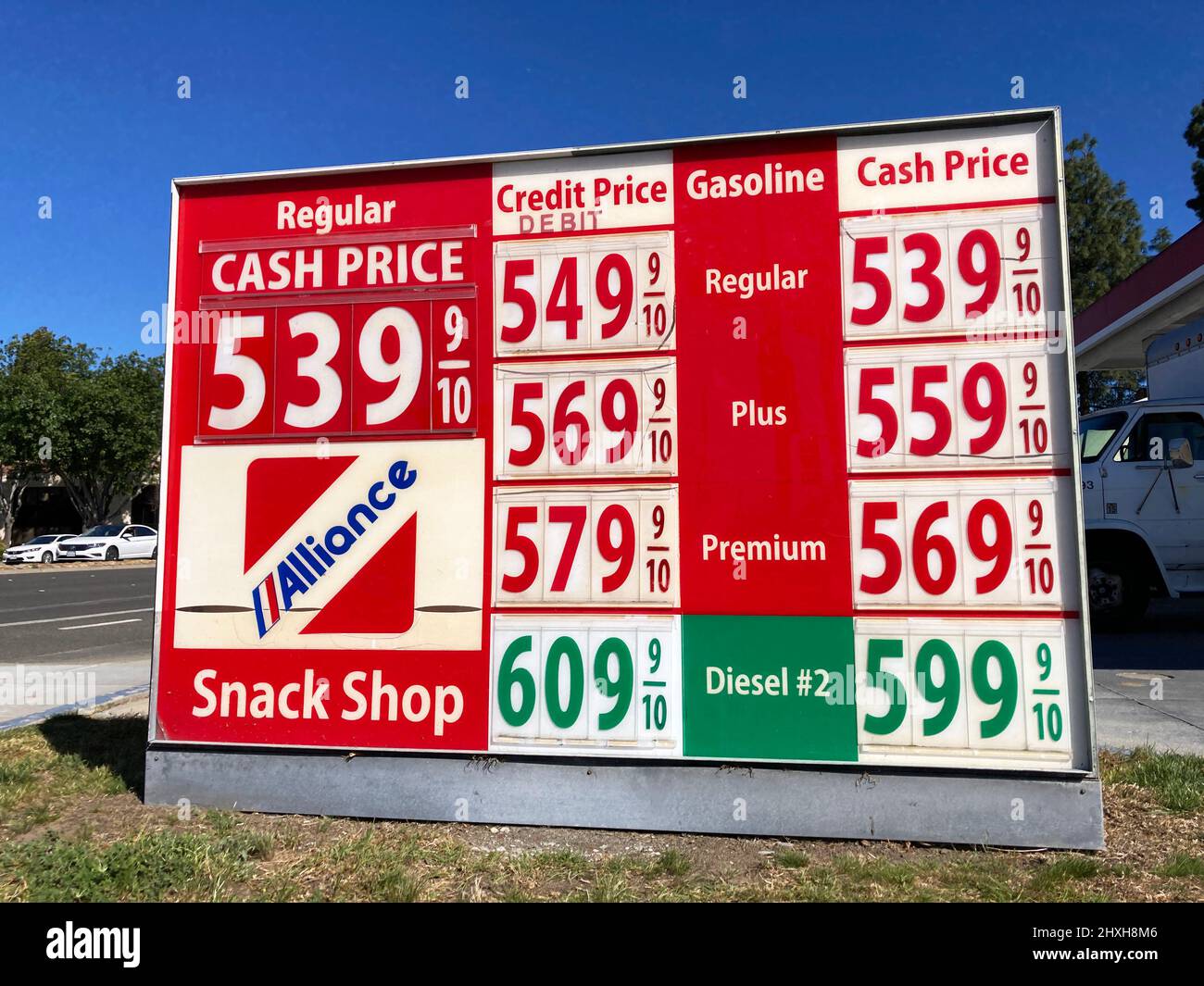
We live in a world of just-in-time manufacturing and fragile supply chains. A 10% disruption in global oil flow doesn't just mean you pay more at the pump; it means the entire logistical network of the West grinds to a halt.
If the White House "hints" at a low cost to appease the fiscal hawks, they signal weakness. If they "hint" at a high cost, they trigger a domestic political firestorm. By staying silent and demanding the funding anyway, they are prioritizing the structural integrity of the global economy over the 24-hour news cycle's need for a headline.
The Brutal Reality of Military Keynesianism
Let's be honest about where that money actually goes. It doesn't disappear into a black hole in the desert. It goes to Lockheed Martin in Fort Worth, Raytheon in Tucson, and General Dynamics in Groton.
The "funding surge" is a massive injection of capital into the American industrial base. Is it efficient? No. Is it the best use of taxpayer money for social good? Arguably not. But is it a "cost" in the sense that the money is "gone"? No. It’s a redistribution of wealth from the federal treasury to the high-tech manufacturing sector of the United States.
The critics who cry about the "unknown cost" are often the same people who support the jobs created by these defense contracts. You cannot have the "Arsenal of Democracy" without a blank check.
The Logic of the Blank Check
The status quo demands accountability. I’m telling you that in the context of global deterrence, accountability is a secondary concern.
If you want to win, or better yet, if you want to prevent the need to win by making the prospect of fighting you too expensive for the other guy, you cannot lead with your wallet. You lead with your capacity.
The White House isn't offering a hint of the cost because the cost is whatever it takes. That is the only message that matters in a world of escalating tensions. Anything less is just an invitation to be tested.
If you are waiting for a budget-neutral war, you are waiting for a fantasy. Stop looking at the price tag and start looking at the stakes. The funding surge isn't about the money; it's about the physics of power. And power doesn't come with a discount code.
Get used to the silence. It’s the sound of a superpower refusing to negotiate with its own shadow.
Check the math. Follow the debt. But stop expecting a receipt for a war that hasn't happened yet.