The ground in Negros Occidental does not just shake; it breathes. For the 300 families currently huddled in evacuation centers across Canlaon City and neighboring municipalities, the recent surge of volcanic activity is not a headline. It is a recurring nightmare. While the immediate catalyst for this displacement is a series of phreatic explosions and a heavy blanket of sulfuric ash, the underlying crisis is one of geography, poverty, and a disaster response system stretched to its absolute limit.
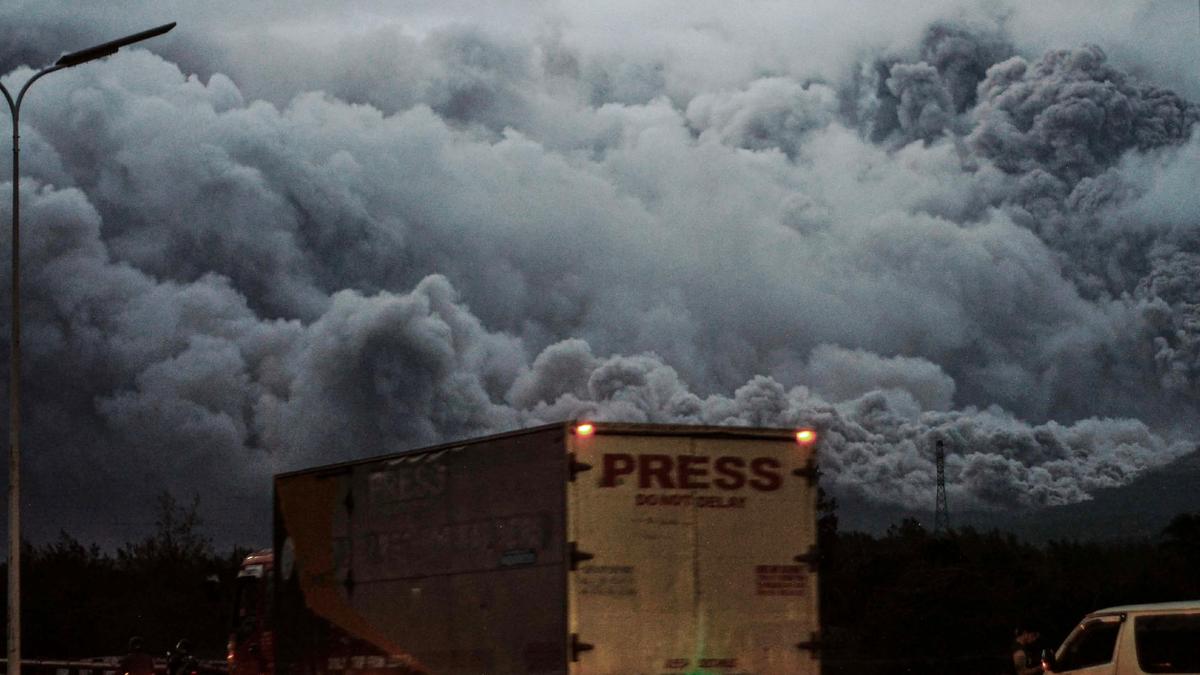
More than 300 families have been forced from their homes following the latest unrest at Mount Kanlaon, one of the Philippines' most active and unpredictable peaks. The ashfall has turned lush highlands into monochromatic grey wastes, smothering crops and poisoning local water supplies. This is the immediate reality of life in the shadow of a stratovolcano.
The Illusion of Dormancy
Public perception of volcanic risk is often skewed by the long intervals between major eruptions. We tend to think of volcanoes as binary—either they are exploding or they are "off." Kanlaon proves this binary is a dangerous myth. The volcano has been in a state of persistent unrest for years, characterized by low-level seismic tremors and the constant venting of gas.
What we are seeing now is the result of hydrothermal pressure building within the vent. When groundwater meets magma-heated rocks, the resulting steam explosion—a phreatic eruption—shatters the surrounding stone into fine, abrasive dust. This ash is not like fireplace soot. It is composed of tiny fragments of volcanic glass and minerals. It destroys internal combustion engines, collapses roofs under its weight, and lacerates human lung tissue.
The 300 families now in shelters are the collateral damage of a geological process that cannot be stopped, only managed. The tragedy lies in the fact that many of these families are agrarian workers. Their entire livelihood is tied to the very soil that is currently being buried under toxic debris.
The Economic Trap of Volcanic Soil
There is a cruel irony in why so many people live in the "Permanent Danger Zone." Volcanic ash, over centuries, weathers into some of the most fertile soil on the planet. In the Philippines, the slopes of volcanoes like Kanlaon are prime real estate for high-value crops and vegetable farming.
This creates a cycle of risk and reward that is nearly impossible to break.
Farmers know the danger. They have seen the ash before. Yet, the promise of a bumper crop in the mineral-rich soil outweighs the abstract threat of a sudden evacuation. When the mountain finally speaks, these families lose everything: their crops, their livestock, and their sense of security.
The government’s response usually follows a predictable pattern. They deploy trucks, distribute N95 masks, and set up modular tents in school gyms. It is a reactive stance. What is missing is a long-term economic strategy to transition these communities away from the immediate blast radius without stripping them of their ability to earn a living. Until there is a viable alternative to high-slope farming, the number of evacuees will only grow with each seismic hiccup.
Monitoring the Invisible Threat
The Philippine Institute of Volcanology and Seismology (PHIVOLCS) is tasked with the impossible: predicting the unpredictable. They monitor sulfur dioxide ($SO_2$) emissions and ground deformation with impressive precision, but volcanoes are not clockwork machines.
Understanding the Data
Seismicity is the primary indicator of subsurface movement. When magma moves, it cracks rock, creating a specific type of earthquake. However, in the case of Kanlaon's recent activity, many of the triggers are hydrothermal.
- Sulfur Dioxide Levels: A massive spike in $SO_2$ suggests that magma is close to the surface, degassing.
- Ground Deformation: Using GPS and tiltmeters, scientists measure if the mountain is physically "swelling."
- Phreatic Explosions: These are the wildcards. They can occur without the classic precursors of a magmatic eruption, giving authorities minutes rather than days to issue warnings.
The recent evacuation was triggered because these metrics crossed a safety threshold. The problem is that Alert Level 2—where Kanlaon currently sits—represents a state of "increased unrest." It is a purgatory of sorts. It is not quite a full-blown disaster, but it is far too dangerous for civilians to remain in their beds.
The Failure of Infrastructure in the Highlands
Evacuating 300 families sounds manageable on paper. In the rugged terrain of Negros, it is a logistical ordeal. The roads are narrow, often unpaved, and prone to landslides during the heavy rains that frequently accompany volcanic activity.
When ash mixes with rain, it creates lahar—a slurry with the consistency of wet concrete that can sweep away bridges and bury entire villages. The current infrastructure is not designed for mass movement. Most evacuation centers are schools, which means that every time the volcano acts up, the education of thousands of children is put on hold.
We are seeing a systemic failure to build dedicated, permanent disaster shelters that can house displaced populations without disrupting social services. The reliance on temporary fixes is a symptom of a budget that prioritizes recovery over resilience.
A Health Crisis in the Making
While the physical danger of an eruption is obvious, the long-term health implications for these 300 families are often ignored. Chronic exposure to volcanic ash leads to a range of respiratory issues, collectively known as silicosis-like conditions.
Children and the elderly are the most vulnerable. In the cramped conditions of an evacuation center, respiratory infections spread with terrifying speed. The water supply is another point of failure. Ashfall quickly contaminates open wells and reservoirs, leading to outbreaks of waterborne diseases.
Local health units are often underfunded and understaffed. They can hand out masks, but they cannot provide the specialized care needed for a population breathing in pulverized rock for weeks at a time. The medical cost of Mount Kanlaon's activity will be felt for years after the ash has been washed away.
The Geopolitics of Disaster
Disaster response in the Philippines is heavily decentralized. This means the burden falls on Local Government Units (LGUs). While this allows for a quicker local response, it also means that the quality of your safety depends entirely on the tax base of your specific municipality.
Canlaon City and its neighbors are not wealthy. They rely on national government subsidies that are often slow to arrive. There is a desperate need for a centralized, rapid-response fund that is triggered automatically by PHIVOLCS alert levels, bypassing the bureaucratic red tape that currently slows down the delivery of food and medicine to the front lines.
The international community often looks at these events as isolated incidents. They are not. They are part of a global pattern of increasing vulnerability as populations expand into high-risk zones due to economic pressure.
The Reality of the Permanent Danger Zone
The term "Permanent Danger Zone" (PDZ) implies a place where humans should not exist. Yet, for thousands, it is the only home they have ever known. Forcing a permanent relocation is a political and social nightmare. People are tied to their land by history, culture, and necessity.
The 300 families currently in shelters will likely return to their homes the moment the alert level drops. They will sweep the ash off their roofs, replant what they can, and wait for the next tremor. This is not resilience; it is a lack of options.
True intervention requires more than just emergency rations. it requires the development of low-risk housing tracts and the creation of non-agricultural jobs in the lowlands. Without these structural changes, the "evacuation" is merely a brief intermission in a much longer tragedy.
Beyond the Ash
The ashfall from Mount Kanlaon is a reminder of our planet's indifference to human settlement. We have built our lives on the surface of a furnace, and we are surprised when we get burned.
The immediate focus must remain on the 300 families. They need clean water, medical monitoring, and a way to recover their lost income. But the broader conversation must shift toward the reality of living in a country with 24 active volcanoes.
We cannot stop the magma, and we cannot predict every steam blast. What we can do is stop treating every evacuation like a surprise. The mountain is telling us what it is going to do. The question is whether we are willing to spend the money and political capital to listen before the next alert level rise.
The families in Negros Occidental are waiting for an answer, trapped between a mountain that wants to bury them and a system that can only offer them a tent in a gymnasium. Stop viewing these evacuations as temporary inconveniences and start seeing them as the frontline of a struggle for sustainable survival on the Ring of Fire.