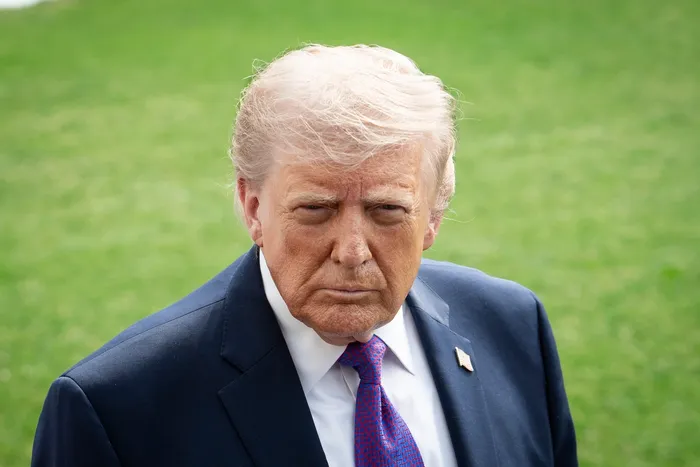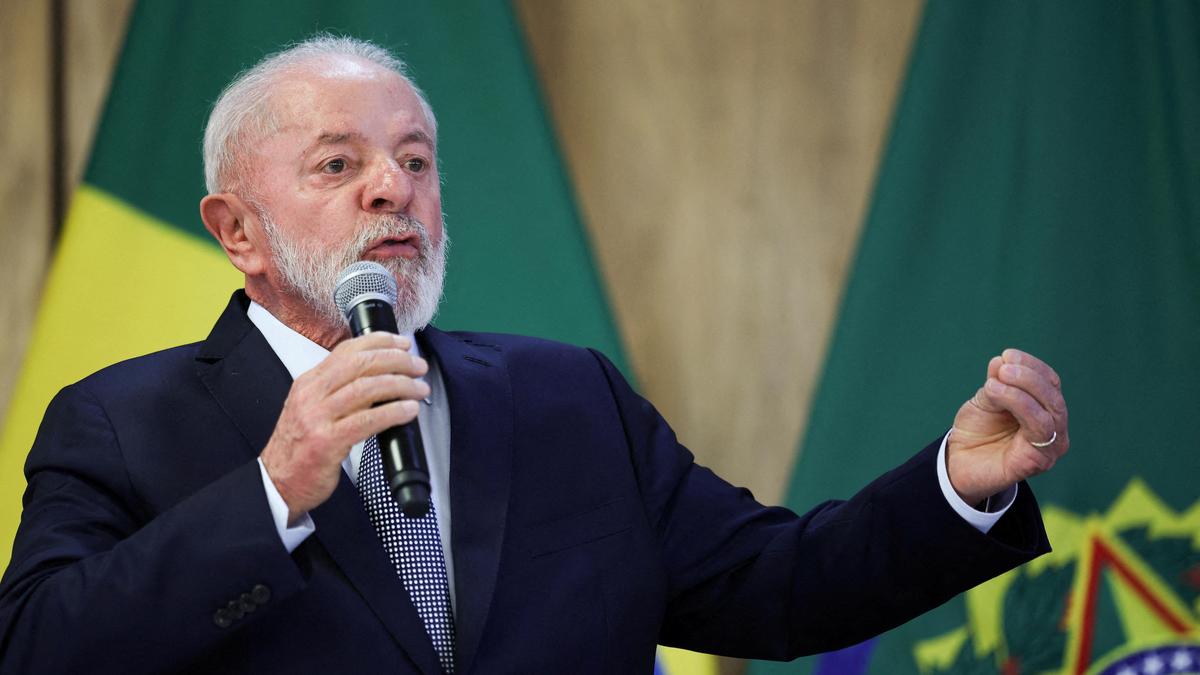
Lula is tired of the morning Twitter—or X—shouting matches. Brazilian President Luiz Inácio Lula da Silva just dropped a blunt reminder to the world: being a superpower doesn't give you the right to act like a global bully. During an interview with the Spanish daily El Pais, Lula targeted Donald Trump’s habit of using threats as a primary diplomatic tool. He specifically hit back at Trump’s recent warnings about the "death of a whole civilization" in Iran, sparked by tensions over the Strait of Hormuz.
You don't just wake up and decide to threaten a country because you had a bad night's sleep. That’s essentially what Lula told the press in Madrid. For an 80-year-old leader who has seen every political cycle under the sun, Lula isn't just complaining about tone; he’s pointing out a fundamental breakdown in how the world is supposed to work.
The myth of the unilateral superpower
When Trump claims he can bypass international norms, he’s ignoring his own country's rulebook. Lula didn't miss this detail. He pointed out that the U.S. Constitution actually divides authority over war and foreign policy between Congress and the president. It isn't a one-man show, even if the headlines make it look like it.
The core of the issue is respect. Lula’s philosophy is simple: if you want to be a leader, you have to act like one. Powerful leaders have a greater responsibility to maintain peace, not to see how many people they can rattle before breakfast. This isn't just about Iran, though that’s the current flashpoint. It’s about a pattern of behavior that treats sovereign nations like chess pieces in a game of domestic political theater.
Brazil is not interested in your trade war
Relations between Brasília and Washington are... complicated. Last year, a meeting between the two leaders actually looked promising. They lowered some trade tariffs and seemed to find a rhythm. But then the old habits returned. Trump’s "fire and fire" approach to trade—threatening 50% tariffs on industrial goods—has forced Lula into a corner.
Brazil’s response? If you tax us, we tax you. It’s a direct, eye-for-an-eye strategy that Lula hasn't been shy about. He knows Brazil is a key player in the Global South. He’s pushing the EU–Mercosur agreement specifically so Brazil doesn't have to choose between being a puppet of the U.S. or China.
By diversifying partners, Lula is building a "geopolitical shield." He’s effectively saying that if the U.S. wants to play hardball with tariffs, Brazil will just take its business elsewhere. It's a risky move, but when you're dealing with a leader who uses the global economy as a bargaining chip, you don't have many other options.
Why the UN is failing the current moment
Lula’s critique went beyond just one man. He took a swing at the entire United Nations structure. He argued that if the UN doesn't reform—specifically by removing the veto power of the permanent five members—then "Trump is right" about the system being broken.
Think about that for a second. Lula is agreeing with Trump’s premise while hating his methods. He wants a UN that includes more voices from Africa and Latin America. He wants a system that actually has the teeth to stop a president from threatening to wipe out a civilization. Right now, the UN is a talk shop where the big kids have all the power and no accountability.
The Beattie incident and the visa war
It’s not all high-level policy, either. Sometimes it’s personal. Just last month, Lula barred Trump adviser Darren Beattie from entering Brazil. Why? Because the U.S. denied a visa to Brazil’s health minister, Alexandre Padilha.
Lula’s logic was punchy: "That American guy... he’s been barred... so long as they don’t free up the visa of my health minister." It’s petty, sure, but it’s a language Trump understands. It’s a refusal to be treated as a second-class partner. In Lula’s world, diplomacy is a two-way street. If you block our people, we block yours.
The stakes for democracy and peace
Lula’s biggest fear isn't just a trade deficit. It’s the rise of authoritarianism that looks more like 1930s Europe than 2026 South America. He’s warned that without working democracy and mutual respect, we’re heading toward states "more authoritarian than Hitler and fascism."
That’s not hyperbole from Lula; it’s a genuine concern from a man who lived through Brazil’s military dictatorship. When leaders threaten "civilizations" with death, they’re moving the goalposts of what’s acceptable in international discourse.
How to navigate this shifting landscape
If you’re watching this play out, don't expect a sudden ceasefire in the war of words. Here’s what’s actually happening behind the scenes:
- Watch the EU–Mercosur deal. This is Brazil's exit strategy from U.S. economic dominance. If it crosses the finish line, Lula gains massive leverage.
- Look at the BRICS expansion. Lula is leaning into this group to create a counterweight to Western influence.
- Monitor the tariff tit-for-tat. If Trump follows through on hiked industrial tariffs, expect Brazil to hit U.S. agricultural exports where it hurts.
Stop waiting for "normal" diplomacy to return. The era of the "unpredictable superpower" is here, and leaders like Lula are deciding that the best way to handle a bully is to stop being afraid of the fight.