The latest round of verbal grenades between Tehran and Washington just hit a new level of cinematic weirdness. Iran's Foreign Ministry isn't just rejecting the latest American peace proposal; they're mocking it with references to 1960s Cold War satire. Esmaeil Baghaei, the spokesperson for Iran’s Foreign Ministry, recently characterized the U.S. stance as a "grotesque absurdity," claiming the White House talks about peace while privately eyeing what he called a "one big glow" scenario.
If you aren't a film buff, that’s a direct nod to Stanley Kubrick’s Dr. Strangelove. It’s a biting way to say that the U.S. is essentially playing at diplomacy while keeping its finger on the nuclear trigger.
This isn't just typical diplomatic posturing. We're currently sitting in May 2026, and the stakes haven't been this high in decades. While Secretary of State Marco Rubio is out here telling the press he expects a "serious offer" from Tehran any minute, the reality on the water tells a completely different story.
The gap between rhetoric and reality
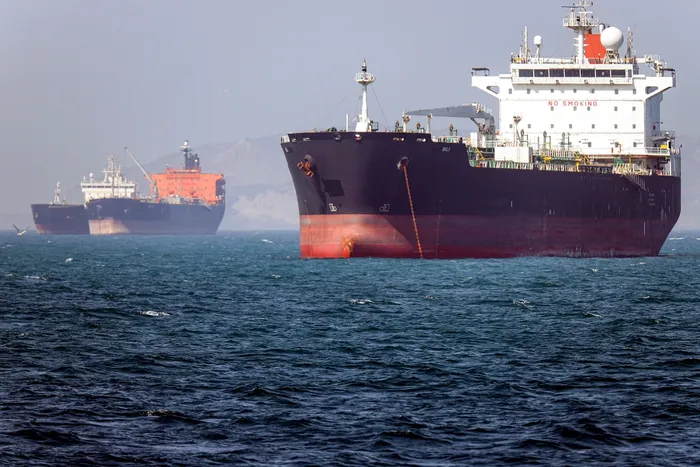
Don't let the talk of "ceasefires" fool you. Just this week, U.S. forces disabled two Iranian oil tankers in the Strait of Hormuz. The U.S. military claims these ships were trying to bust a blockade; Iran sees it as an act of naked aggression. It’s hard to sell a peace deal when you’re simultaneously punching the other guy’s lights out in the world’s most important oil transit point.
The core of the "absurdity" Iran is pointing to is the U.S. demand that Tehran roll back its nuclear program entirely as a prerequisite for ending the current war. From Tehran's perspective, the U.S. destroyed their facilities in strikes last summer and is now demanding they pinky-promise never to rebuild, all while the U.S. maintains a massive military presence on their doorstep.
Why a deal feels impossible right now
You have to look at the math of the negotiations to see why both sides are stuck.
- The U.S. Position: They want a total shutdown of uranium enrichment. They’re using a "maximum pressure" strategy 2.0, believing that by blockading ports and striking tankers, they’ll force Iran to the table.
- The Iranian Position: They’re leaning into the "right to enrich" for peaceful purposes under the NPT. They see the U.S. strikes as a violation of sovereignty and aren't about to give up their only real leverage while being shot at.
Honestly, the diplomatic "deadlines" Washington keeps setting—like Rubio’s comment that we’d "know something today"—usually end up being meaningless. Iran has a long history of slow-rolling responses to frustrate U.S. administrations. By dragging their feet, they wait for the U.S. to either blink or make a mistake that shifts international sympathy.
The Strait of Hormuz is the real ticking bomb
While the diplomats argue about "nuclear glows," the global economy is feeling the pinch of the closed Strait. Since the war escalated back in February, fuel prices have gone through the roof. If you've noticed your gas bill or shipping costs spiking lately, this is why.
Iran has effectively turned the Strait into a toll booth and a minefield. The U.S. is trying to maintain a "blockade of the blockaders," which is as messy as it sounds. We’ve seen drone attacks on Navy ships and retaliatory strikes on Iranian military sites in the last 48 hours alone.
What happens next
Don't expect a handshake and a photo op anytime soon. Iran is currently reviewing the latest U.S. proposal, but their public rhetoric suggests they aren't impressed. They're looking for a "comprehensive agreement" that doesn't just stop the bombing but also lifts the crushing sanctions that have been strangling their economy since the mid-2020s began.
If you’re watching this play out, keep your eye on two things:
- The China Factor: China is currently stepping up its diplomacy. If they can broker a side deal that guarantees oil flow, the U.S. blockade loses its teeth.
- IAEA Reports: Watch for the UN’s nuclear watchdog to weigh in on those roofs Tehran is building over its damaged sites. If they find evidence of renewed enrichment, the "ceasefire" will vanish in an afternoon.
The path forward isn't through Twitter barbs or movie references. It’s through a verifiable de-escalation in the Strait. Until the shooting stops there, the "peace talks" are just a script for a movie nobody wants to see.
Keep an eye on the daily maritime reports. If we see another 24 hours without a tanker being disabled, maybe—just maybe—the diplomacy has a chance. But for now, the "grotesque absurdity" remains the status quo.
Why the U.S. and Iran are at a dangerous crossroads
This video provides critical context on the recent heated exchanges and the breakdown of trust regarding the nuclear program and military threats.
http://googleusercontent.com/youtube_content/1