The floorboards in a pre-war Brooklyn walk-up don’t just creak. They groan with the weight of a century of pacing. For Elias, a thirty-four-year-old graphic designer who has spent a decade navigating the jagged edges of New York City, that sound was the soundtrack of his ambition. He lived in a space the size of a shipping container, where the rent swallowed sixty percent of his take-home pay and the radiator hissed like a cornered cat all winter.
He loved it. Until he didn't.
The shift usually happens at 2:00 AM on a Tuesday. It’s the moment you realize that the "energy" of the city is actually just friction. You look at the listing prices for a one-bedroom apartment in Long Island City and realize you’re paying for the privilege of living in a construction zone. The market for homes for sale in New York isn't just a spreadsheet of square footage and property taxes; it’s a high-stakes psychological game where the prize is a few extra inches of breathing room.
The Concrete Promise
New York real estate operates on the principle of scarcity. Whether you’re looking at a brownstone in Bedford-Stuyvesant or a glass-walled condo in Hudson Yards, you aren't buying a house. You’re buying a seat at the table. You’re buying the ability to walk downstairs and find a three-Michelin-star meal or a twenty-four-hour bodega that stocks that one specific brand of spicy chili oil you crave.
But the cost is hidden in the margins. It’s the coop board interviews that feel like a deposition. It’s the "mansion tax" that kicks in at $1 million—a number that sounds like wealth until you realize it only buys you a glorified studio in Manhattan.
Consider a hypothetical buyer named Sarah. She’s an attorney who wants to stay in the city. She finds a place on the Upper West Side. It’s beautiful. Light pours through the windows. But then she looks at the maintenance fees. They are higher than the mortgage on her parents’ four-bedroom house in Ohio. This is the New York Tax. It is the price of proximity. It is the cost of being "in it."
The inventory of New York homes for sale is a rotating gallery of dreams and compromises. You might get the view, but you’ll lose the dishwasher. You might get the elevator, but your bedroom will face a brick wall three feet away. It is a city of trade-offs, where every square foot is a hard-won victory.
The Great Migration Across the Hudson
Then there is the other side of the water.
For decades, New Jersey was the punchline of a joke told by people who paid $4,000 a month to live with roommates. That joke isn't funny anymore. The migration from the five boroughs to the Garden State has transformed from a trickle into a flood, driven by a simple, undeniable realization: you can have a lawn and a commute that doesn't involve the G train.
When you look at homes for sale in New Jersey, the language changes. You stop hearing about "efficiency" and start hearing about "flow." You stop asking about "walkability" and start asking about "school districts."
Jersey City and Hoboken act as the gateway drugs for the New Yorker. They offer the skyline views and the paved streets, but with a slightly softer edge. But the real shift happens further out. In places like Montclair, Maplewood, or Summit, the "human element" takes over.
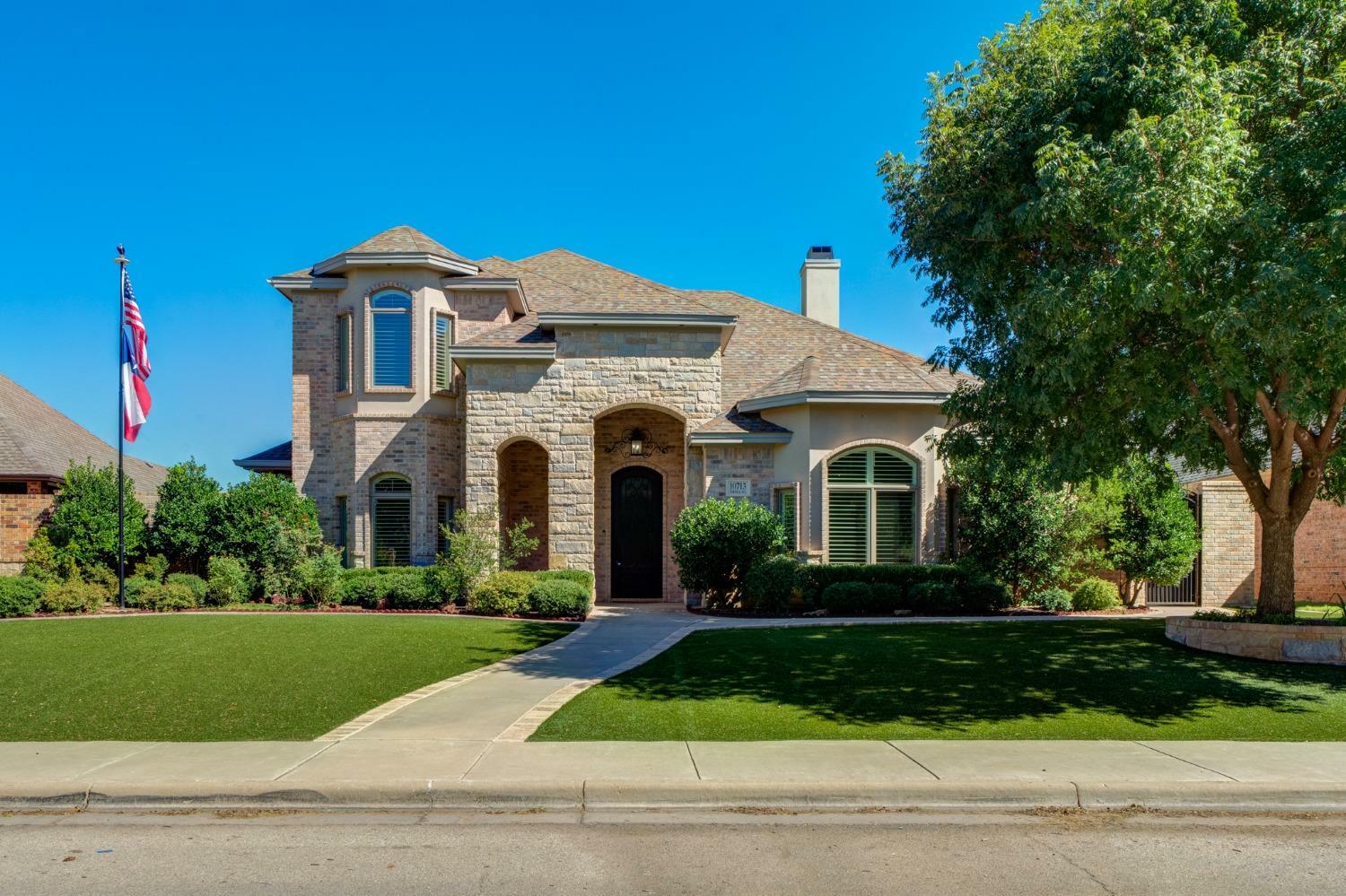
Elias, our designer, took the PATH train out to Jersey City on a whim. He expected strip malls. Instead, he found a community of people who had made the same realization he was beginning to face. They weren't "giving up" on the city; they were choosing a different kind of life. He saw houses with porches. Not fire escapes—actual porches where people sat with coffee and watched the sun hit the trees.
The Emotional Math of the Commute
The central tension of living in the tri-state area is the commute. It is the invisible thread that connects your bed to your desk.
In New York, the commute is an endurance sport. It’s the humidity of the subway station in August. It’s the "signal problems" that turn a twenty-minute trip into an hour-long odyssey. When you live in the city, you are always at the mercy of the infrastructure.
New Jersey offers a different bargain. The NJ Transit or the ferry is a ritual. It is a transition. There is a psychological benefit to crossing water or passing through a tunnel at the end of the day. It signals to the brain that the work-self is being left behind and the home-self is being reclaimed.
But let’s be honest: the property taxes in New Jersey can be a shock to the system. While New York hits you with high purchase prices and city income tax, New Jersey hits you every quarter with some of the highest property taxes in the nation. It’s a different kind of burn. You have to decide which pain you’re more willing to tolerate. Are you okay with a smaller space if it means no lawn to mow? Or would you rather pay the tax man if it means your kids have a backyard?
The Architecture of Belonging
A home is more than a set of coordinates. It’s the backdrop of your life’s most significant moments.
In New York, those moments happen in public. You have your "first date" restaurant. You have the park bench where you cried after a breakup. You have the stoop where you shared a beer with a neighbor. The city is your living room because your actual living room is too small to host a party.
In New Jersey, the life moves inward. The "emotional core" of the home is the kitchen island or the finished basement. It’s the dinner party that lasts until 11:00 PM because nobody has to catch the last train home. It’s the quiet.
That quiet is the most jarring part for a New Yorker. At first, it feels like a void. You miss the sirens. You miss the white noise of a city that never sleeps. But after a week or two, you realize that the quiet isn't empty. It’s full of things you forgot existed. The sound of wind in the leaves. The sound of your own thoughts.
Finding the Center
The search for a home in this region is rarely about the house itself. It’s about the person you want to become.
Are you the person who wants to be at the center of the world, even if it means living in a shoebox? Or are you the person who wants to build a sanctuary, even if it means a longer ride on the train?
There is no "right" answer, only the answer that fits your current season of life. The market for homes for sale in New York and New Jersey is essentially a map of human desire. It tracks where we want to be, who we want to be near, and what we are willing to sacrifice for a sense of place.
Elias eventually found a house in a quiet pocket of West Orange. It wasn't a mansion. It was a modest colonial with a drafty attic and a backyard that needed work. The first night he spent there, he sat on the back steps. The air was cool. There was no neon light flickering outside his window.
He realized then that he hadn't left New York behind. He had simply changed his perspective on it. From his bedroom window, on a clear night, he could still see the glowing tip of the Empire State Building. It looked small from here. Manageable. A distant spark in a vast, dark sky.
He went inside and closed the door. The house didn't groan. It settled. And for the first time in ten years, he didn't feel like he was waiting for something else to happen. He was already there.