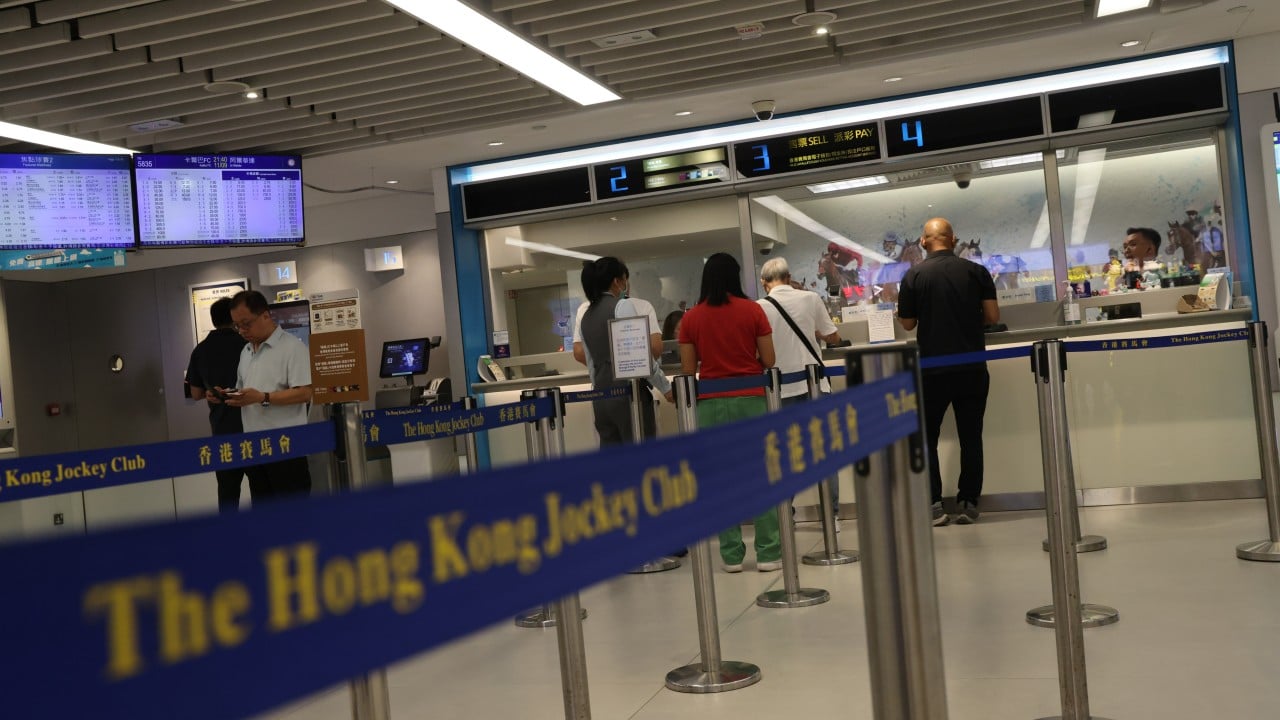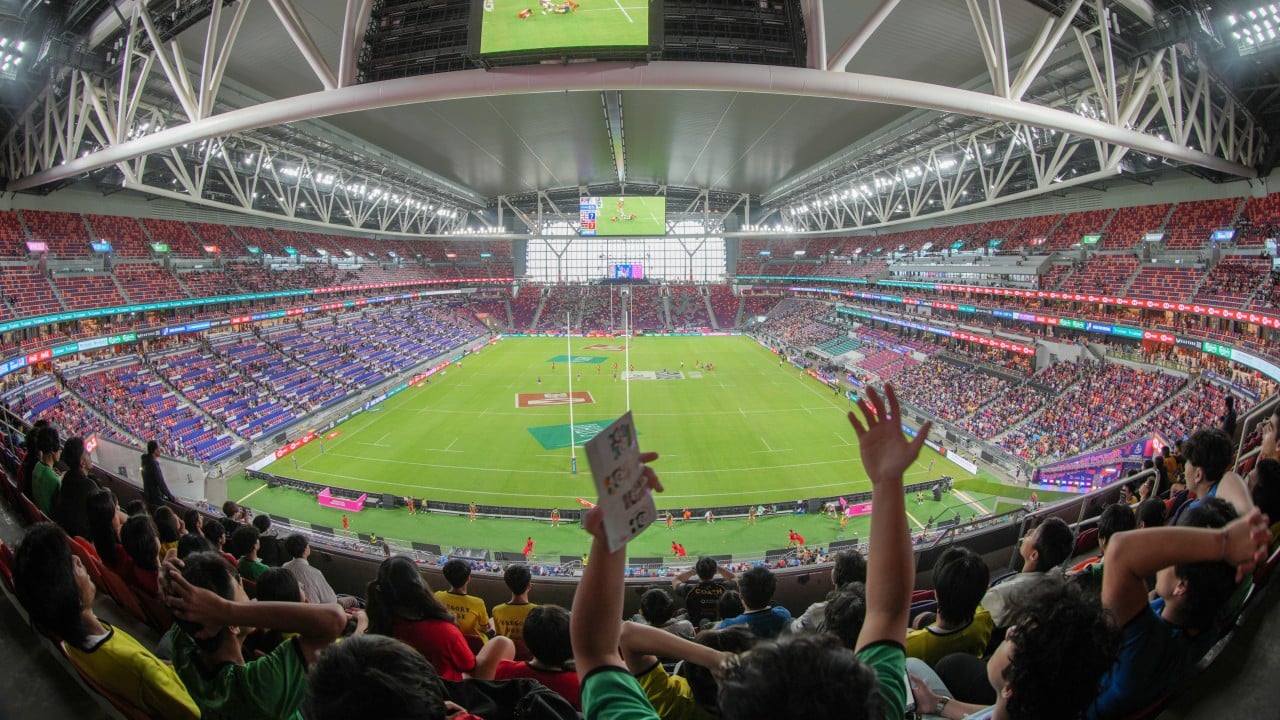
The Hong Kong Sevens has always been more than a rugby tournament. For decades, it served as the city’s premier corporate networking event, a high-octane weekend where global banking deals were greased by a mixture of festive atmosphere and elite sport. However, as the 2024 and 2025 windows open, the event faces a complex threat that has nothing to do with the pitch. Escalating tensions in the Middle East are casting a long shadow over international travel hubs, creating a ripple effect that directly threatens the ticket sales and corporate hospitality suites of Hong Kong’s most iconic sporting export.
The primary concern for organizers is not a lack of interest in rugby, but a sudden tightening of global travel logistics and corporate risk assessments. When flight paths are rerouted to avoid conflict zones, travel times from Europe and the Americas increase. More importantly, when regional instability spikes, multinational corporations—the lifeblood of the Sevens’ high-revenue seating—often trigger "essential travel only" protocols. This shift isn't just about safety; it’s about the optics of luxury spending during global volatility.
The Aviation Bottleneck
Hong Kong’s status as a global hub depends on the fluid movement of people across continents. The conflict in the Middle East has forced several major carriers to adjust their routes, particularly those connecting the United Kingdom and Europe to East Asia. While Hong Kong remains physically distant from the kinetic theater of war, the operational reality of flying around restricted airspace adds cost and complexity.
Higher fuel surcharges are inevitable. When a round-trip ticket from London or Dubai jumps significantly in price due to fuel hedging and longer flight durations, the "casual" international fan—the one who spends a week in the city and fuels the local economy—begins to reconsider. We are seeing a measurable shift in travel sentiment. It is no longer just about the ticket price at the stadium gates; it is about the total cost of the pilgrimage.
Corporate Withdrawal and the Optics of Excess
The Hong Kong Sevens relies heavily on the "South Stand" energy, but the bills are paid by the corporate boxes. These suites are occupied by investment banks, law firms, and shipping giants. These entities are hyper-sensitive to global political climates.
In past cycles of Middle East instability, we have observed a cooling effect on corporate entertainment. When the world is watching a humanitarian or geopolitical crisis, the sight of executives wearing costumes and drinking in the sun can be perceived as tone-deaf. If several large-scale sponsors or box holders decide that the current global mood warrants a "low profile," the tournament loses its financial backbone. This is a subtle, invisible erosion. It doesn't show up as a protest or a boycott; it shows up as an empty suite or a guest list that is 40% shorter than the year before.
Insurance and Risk Mitigation
The logistics of hosting thousands of international visitors require massive insurance underwritings. Geopolitical instability often leads to a hardening of the insurance market. This means the Hong Kong China Rugby union and its partners may face higher premiums to cover event cancellation or liability.
If insurers view the global transit landscape as high-risk, those costs are passed down. For an event already clawing its way back to pre-2019 glory, these additional overheads are a heavy burden. The margins are thinner than they look.
The Local Shift
To counter a potential dip in international arrivals, organizers are pivotally focusing on the "Greater Bay Area" and mainland Chinese markets. This is a necessary evolution, but it changes the DNA of the event. The Hong Kong Sevens built its reputation on being a "global village." If the crowd becomes predominantly regional because international travelers are deterred by global instability, the brand loses its unique selling point.
Mainland tourism is a powerful engine, yet it doesn't always replicate the specific spending patterns of the traditional Western rugby tourist. The "rugby nomad" stays longer and spends more on high-margin hospitality. A decline in this demographic, triggered by Middle East tensions or the resulting economic uncertainty, leaves a hole that isn't easily filled by short-term day-trippers.
The Ripple Effect on Hong Kong’s Economy
The city’s hospitality sector views the Sevens as a cornerstone of the annual calendar. Hotels in Wan Chai and Causeway Bay rely on the 40,000-strong daily crowd to hit their quarterly targets. If the conflict in the Middle East persists or expands, the resulting hike in global oil prices will squeeze disposable income across the board.
When people feel the pinch at the petrol pump or on their heating bills, international sports tourism is the first luxury to be cut. It is a domino effect. War in one region leads to energy inflation, which leads to reduced consumer confidence in another, ultimately resulting in fewer bodies in the stands at the Kai Tak Sports Park or the old Hong Kong Stadium.
Security Realities in a Global City
High-profile international events are always under a microscope during times of global tension. While Hong Kong remains one of the safest cities in the world, the sheer visibility of the Sevens makes it a focal point for security planners. The cost of securing a stadium against the backdrop of heightened global threat levels is immense.
Increased police presence and more stringent entry requirements are a double-edged sword. They provide safety, but they also chip away at the carefree, carnival-like atmosphere that defines the Sevens. Finding the balance between a "hard" security perimeter and a welcoming party environment is a challenge that grows more difficult as global geopolitical temperatures rise.
Why the Fan Base is Fragmenting
We must also acknowledge the ideological divide. The Middle East conflict is a polarizing issue that has sparked protests and social friction globally. While rugby usually prides itself on staying above the political fray, no major international event is immune to the "noise" of the world.
If fans or teams feel that their participation could be politicized, or if they are simply distracted by the gravity of world events, the enthusiasm for a weekend of revelry wanes. The "turnout" is not just a number; it’s a measurement of the world's collective appetite for celebration. Right now, that appetite is being tested by grim headlines and economic anxiety.
The Competition for Attention
It isn't just the Middle East conflict in a vacuum. It is the conflict combined with a crowded sporting calendar and a shifting global economy. The Hong Kong Sevens is no longer the only game in town. New stops on the SVNS circuit, like Dubai and Cape Town, offer competing narratives. If travel to Hong Kong becomes too cumbersome or expensive due to rerouted flight paths and rising costs, fans might opt for closer, more accessible tournaments.
Analyzing the Numbers
Historically, the Sevens attracted roughly 40% of its fans from overseas. A 10% drop in that specific group—the highest spenders—doesn't just mean 4,000 fewer tickets sold. It means a significant loss in high-end hotel bookings, restaurant revenue, and luxury retail sales.
Organizers are currently projecting strong numbers, but those projections often rely on historical data that didn't account for a prolonged conflict affecting major aviation arteries. The true test will be the "no-show" rate. Sold tickets are one thing; actual bodies in seats, buying food and merchandise, is the metric that local businesses care about.
The reality of 2024 and beyond is that sports cannot exist in a vacuum. The Hong Kong Sevens is an intricate piece of the city’s branding, a symbol of its "open for business" mantra. But when the world’s geopolitical gears grind against each other in the Middle East, the sparks land everywhere.
The tournament will survive, but the version we see over the next few years will likely be more regional, more cautious, and more expensive. For the seasoned observer, the empty seats in the upper tiers aren't just a sign of a struggling sport; they are a visual representation of a world that is currently too preoccupied and too strained to fly halfway across the globe for a game of rugby.
The strategy for the city is clear: stop relying on the "build it and they will come" model. In a world of volatile airspaces and cautious corporate boards, the Hong Kong Sevens must find a way to offer more than just a party. It needs to become a resilient cultural fixture that can withstand the shockwaves of a fractured global landscape.
Identify the core demographic that is still willing to travel despite the friction. Target them with surgical precision. If the traditional expatriate and European fans are staying home, the event must lean harder into the emerging wealth of the ASEAN and East Asian regions. Adapt or face a permanent contraction.