Hong Kong isn't just back; it’s aggressively reclaiming its spot as the event capital of Asia. If you’ve looked at the March arrival stats, the 14% year-on-year jump in tourists isn't a fluke. It’s the result of a deliberate, high-stakes gamble on "mega events" that seems to be paying off, even as travelers' habits shift toward experience over mindless shopping.
The Art Basel Effect and the Super March Surge
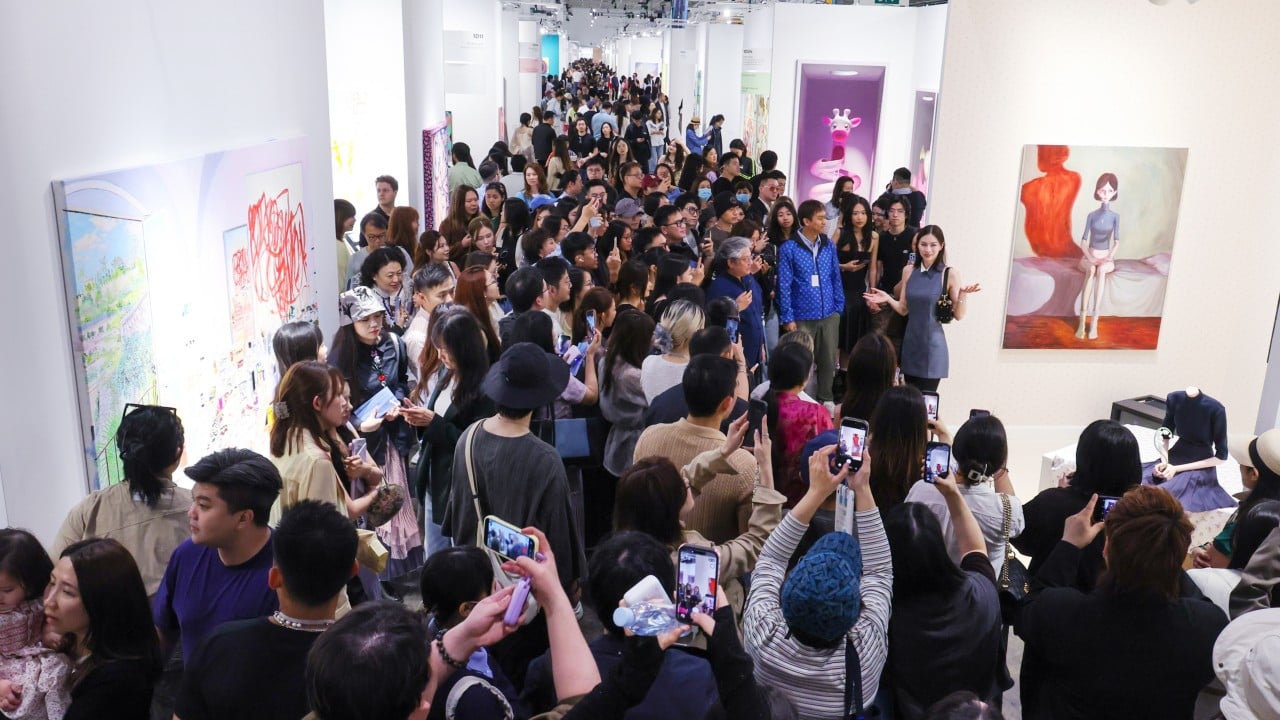
March in Hong Kong has morphed into a month-long marathon of high culture and heavy spending. I’ve seen the city transition from a sleepy hub to a frantic, neon-lit gallery. Art Basel Hong Kong 2024 wasn't just another trade show. It returned to its pre-pandemic scale with 242 galleries from 40 countries. We're talking about a fair that pulled in over 75,000 visitors on its own. If you liked this post, you should look at: this related article.
But it wasn't just the art snobs. The city recorded 3.4 million visitors in March alone. While the 14% increase is the headline, the real story is in the mix. Non-mainland arrivals surged by 12%, with nearly a million people flying in from further afield. This matters because these are the visitors who fill up the high-end hotels in Central and Tsim Sha Tsui.
More Than Just Paintings
The government's "Art March" campaign wasn't restricted to the Convention and Exhibition Centre. You had Art Central on the Central Harbourfront, the massive installations of Art@Harbour, and the Asian debut of ComplexCon. When you layer these on top of one another, you create a "must-visit" window that forces people to book flights. For another look on this event, check out the recent coverage from AFAR.
Financial Secretary Paul Chan Mo-po has been vocal about this strategy. He noted that hotel occupancy rates hit 90% in popular districts during this period. I’ve talked to retail managers in Causeway Bay who admit that while the "buy everything in sight" era of the 2010s is gone, the foot traffic from these events is keeping their doors open.
The Shifting Profile of the Hong Kong Tourist
We need to stop expecting the 2018 version of the Hong Kong tourist to come back. They aren't. In 2024, the total visitor count hit 44.5 million—a 30% annual increase—but per-capita spending is down. People are staying for 3.2 nights on average, but they’re spending more on "Citywalks" and Michelin-starred street food than on luxury watches.
- Experience Seekers: Visitors now prioritize "immersive" travel. They want the hike up Dragon's Back as much as the view from a rooftop bar.
- The MICE Segment: Meetings, Incentives, Conventions, and Exhibitions (MICE) brought in 1.42 million overnight visitors. These are the "big fish" who spend on corporate accounts.
- Regional Competition: Hong Kong is fighting hard against Singapore and Tokyo. The 14% rise shows it’s holding its own, but it’s a dogfight.
The reality on the ground is that the city is more expensive than it used to be. The Average Daily Rate (ADR) for hotels actually dipped slightly to $1,332 HKD because the market is dominated by cost-conscious travelers.
Why the Mega Event Strategy is the Only Way Forward
The Hong Kong government isn't subtle about its plans. They’ve earmarked $100 million to boost mega-event promotions over the next three years. This isn't just about fun and games; it’s about GDP. Tourism contributed 2.8% to the economy in 2024 and employs nearly 160,000 people.
Critics say the government is over-subsidizing these events. Art Basel got $15 million from the mega-events fund. Is it worth it? When you see 80,000 people flooding into a single venue and then heading out to eat and drink in Wanchai, the math starts to make sense.
Success Beyond the Art World
It’s not just about the art. March also saw the Financial Mega Event Week, featuring the Wealth for Good Summit. This brought in family office managers and global investors. When these people travel, they don't just bring suitcases; they bring capital.
What Travelers Actually Experience
If you visited during this surge, you'd notice the "Symphony of Lights" getting a revamp and monthly pyrotechnic shows. It’s a bit kitschy, sure, but it gives people a reason to stay near the harbor and spend money on dinner. The city is leaning into its "East-meets-West" identity harder than ever because that’s the only thing its regional rivals can't easily replicate.
Honestly, the biggest challenge isn't getting people to come; it's the labor shortage in the service industry. You can have 4 million visitors, but if there isn't enough staff to serve them dim sum, the "satisfaction rate" will tank. The government claims satisfaction is high, but anyone who’s waited 40 minutes for a table at a popular spot in TST might disagree.
Practical Moves for Your Next Trip
If you’re planning to hit Hong Kong during a major event window, don't wing it.
- Book 3 Months Out: With occupancy hitting 90%, the "last-minute deal" is a myth during Art Basel or the Sevens.
- Use the MTR: Traffic during mega events is a nightmare. The MTR is the only way to stay on schedule.
- Look Beyond the Main Event: Often, the "fringe" events at Tai Kwun or PMQ are better (and cheaper) than the primary fair.
- Check the Event Calendar: The HKTB website now has a dedicated "Mega Events" section. Use it.
Don't expect the old Hong Kong. The city is louder, more expensive, and more focused on "culture" than ever. Whether that's a good thing depends on whether you're here to shop or to see something you can't find anywhere else. The 14% growth proves that, for now, people are choosing the latter.