Critics spent the last few years writing obituaries for Hong Kong as a creative hub. They were wrong. If you walked through the streets of Central or across the harbor in West Kowloon during Art March, you didn't see a city in decline. You saw an explosion of energy that most global cities would kill for. Art March isn't just a marketing slogan anymore. It's a massive, month-long statement that Hong Kong remains the undisputed heavyweight champion of the Asian art world.
The sheer scale of what happened this year is hard to wrap your head around if you weren't on the ground. We aren't just talking about a couple of galleries hanging new paintings. We're talking about a coordinated takeover of the city. From the high-stakes trading floors of Art Basel to the gritty, experimental spaces in Wong Chuk Hang, the city turned into a living gallery.
People come here because the infrastructure is unmatched. You have the tax-free status, the world-class logistics, and a collector base that doesn't just browse—they buy. But there's something else now. There's a grit and a hunger to prove that the "Pearl of the Orient" hasn't lost its luster.
Art Basel Hong Kong is the Anchor That Keeps the World Watching
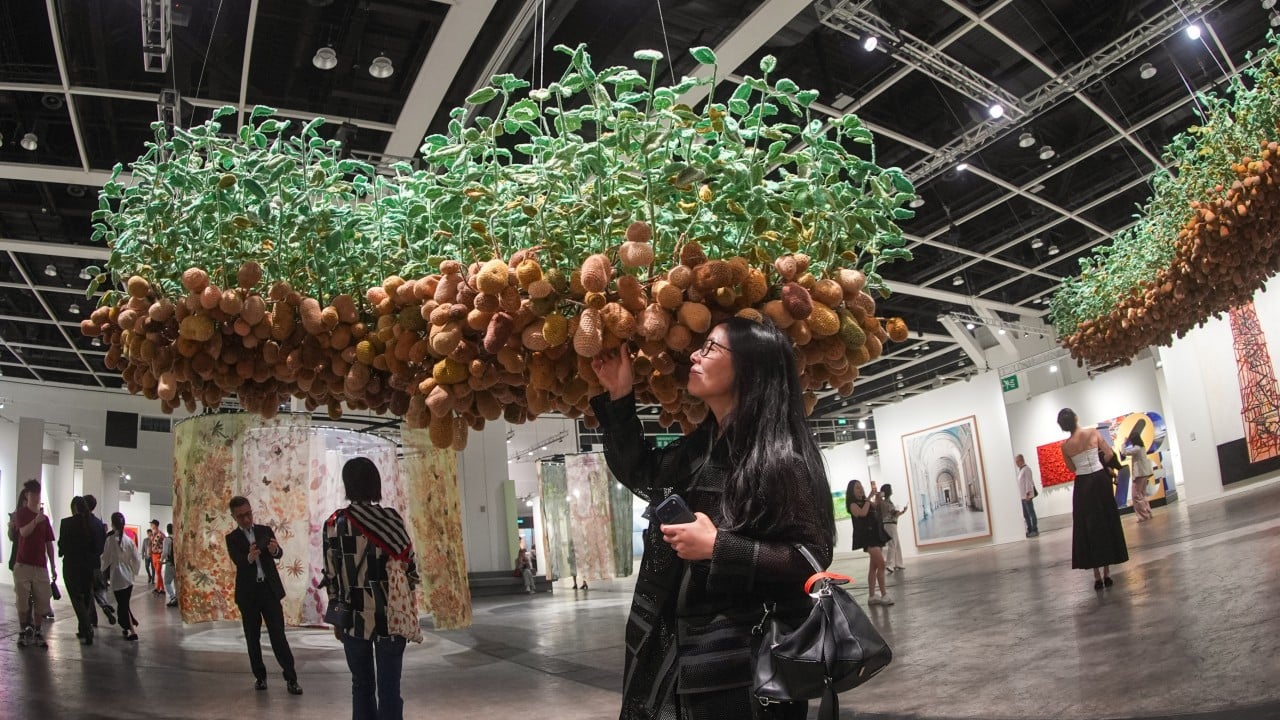
Art Basel is the sun that everything else orbits. This year, the fair at the Hong Kong Convention and Exhibition Centre felt like it regained its full pre-pandemic swagger. We saw 242 galleries from 40 countries and territories. That isn't just a number. It represents a massive vote of confidence from the global elite.
Walking the aisles, you could feel the shift. The "Asia-Pacific" focus wasn't just a label; it was the soul of the show. More than half of the exhibitors had spaces in the region. This matters because for a long time, Western galleries treated Hong Kong as a satellite office. Now, the local and regional galleries are the ones setting the tempo.
The big sales figures started rolling in within hours of the VIP opening. We're talking multi-million dollar deals for names like Philip Guston and George Condo. But the real story wasn't just the blue-chip masters. It was the frantic interest in younger Asian artists. Collectors are looking for fresh perspectives, and they're finding them right here.
The Rise of Art Central and the Fringe Scene
While the suits were at Art Basel, the energy at Art Central was arguably even more electric. Located right on the Central Harbourfront, it’s got a different vibe—less "private bank boardroom" and more "cutting-edge discovery."
The focus on emerging talent at Art Central is what keeps the ecosystem healthy. You see experimentation here that Art Basel sometimes plays too safe to touch. It’s also where the local Hong Kong audience really shows up. Seeing thousands of locals engaged with contemporary art proves that this isn't just a playground for the 1%. It's becoming part of the city's DNA.
M Plus and the West Kowloon Cultural District Change Everything
You can't talk about Hong Kong art without talking about M+. It’s been open for a few years now, but it’s finally hitting its stride as a global landmark. It’s basically Asia’s answer to the Tate Modern or MoMA, but with a specific visual culture that belongs to this side of the world.
During Art March, the M+ facade—that giant LED screen facing the harbor—became a canvas for digital art that could be seen from across the water. It’s a genius move. It turns the entire skyline into a piece of art.
The West Kowloon Cultural District is finally delivering on its promise. For decades, it was just a patch of reclaimed land and a lot of political bickering. Now, it’s a sprawling park where you can see world-class museum shows, catch a performance at the Xiqu Centre, and then grab a drink while looking at the most famous skyline on earth. It gives the art scene a physical home that it lacked for a long time.
Why the Art World Refuses to Quit on Hong Kong
I’ve heard the arguments that Singapore or Seoul might steal the crown. Honestly, they aren't even close. Seoul has great energy and a cool fashion scene, and Singapore is a clean, efficient hub. But neither has the unique "East meets West" friction that makes Hong Kong so fascinating.
The city's logistics are a secret weapon. If you're a gallery moving a $10 million sculpture, you want it handled by people who have done this for decades. You want the free port status. You want the proximity to the Mainland Chinese market combined with the international legal framework of Hong Kong.
- Zero sales tax on art. This is a massive draw for high-net-worth individuals.
- A deep pool of local expertise. The auction houses like Christie’s and Sotheby’s have their regional headquarters here for a reason.
- The "Greater Bay Area" connection. Hong Kong is the gateway to a massive, wealthy population just across the border that is increasingly hungry for cultural capital.
The Streets Are the New Gallery Space
One of the best things about Art March is how it spills out of the air-conditioned halls. Public art installations popped up everywhere. The "Art@Harbour" initiative brought large-scale works to the waterfront, including those glowing ovoids by teamLab that took over Tamar Park.
Seeing kids and elderly residents interacting with high-tech digital art in a public park says more about the city’s future than any economic report. It makes art accessible. It removes the velvet rope. When art becomes part of the daily commute, the city changes.
The street art scene in areas like Sham Shui Po and Sheung Wan continues to evolve too. While the government promotes the "official" art month, local artists are still out there making their mark on the shutters and alleyways of the city. This tension between the high-end commercial world and the grassroots street level is what gives Hong Kong its edge.
The Role of Independent Spaces
Don't ignore the industrial buildings. Places like Wong Chuk Hang and Fo Tan are where the real work happens. These aren't polished showrooms. They're gritty, high-ceilinged spaces where artists are actually sweating and creating.
During Art March, many of these studios opened their doors. Visiting a studio in a converted factory building gives you a glimpse into the "real" Hong Kong art scene—one that’s resilient, resourceful, and deeply connected to the city’s industrial roots.
Common Misconceptions About the City Cultural Climate
A lot of people think the new laws in Hong Kong have killed the creative spirit. It's a complicated situation, sure. But if you look at the work being shown, the creativity is still there. It’s just becoming more nuanced.
Artists are smart. They find ways to express themselves. The idea that the city has become a cultural desert is just factually wrong. If anything, the challenges have made the art scene more determined to stay relevant. You see themes of identity, urban change, and digital futures everywhere.
How to Do Art March Like a Pro Next Year
If you're planning to visit, don't just fly in for Art Basel and leave. You'll miss the best parts of the city.
- Book your hotel early. Prices in Central skyrocket during the last week of March. Stay in Tsim Sha Tsui or even further out in places like Sha Tin to save money; the MTR makes it easy to get around anyway.
- Get the VIP pass if you can. If you're serious about buying, the VIP days at the fairs are essential. If you're just there for the vibes, the public days are fine but expect crowds.
- Check the "Southside Saturday" schedule. The galleries in Wong Chuk Hang often coordinate openings. It’s a much more relaxed way to see art than the madness of the convention center.
- Use the Star Ferry. It's the cheapest and most beautiful way to get between the main venues in Central and Kowloon.
- Look beyond the big names. Some of the most interesting shows happen in tiny, "hole-in-the-wall" galleries in Sheung Wan.
Hong Kong didn't just put itself back on the map with Art March. It reminded everyone that it never actually left. The city is louder, bolder, and more colorful than ever. If you missed it this year, start clearing your calendar for next March. The global cultural map still has a massive, glowing star right over the Victoria Harbour.
Go see it for yourself. Walk the halls of M+, get lost in the backstreets of Tai Kwun, and watch the sunset over Art Central. You’ll realize pretty quickly that the rumors of Hong Kong's cultural demise were greatly exaggerated.