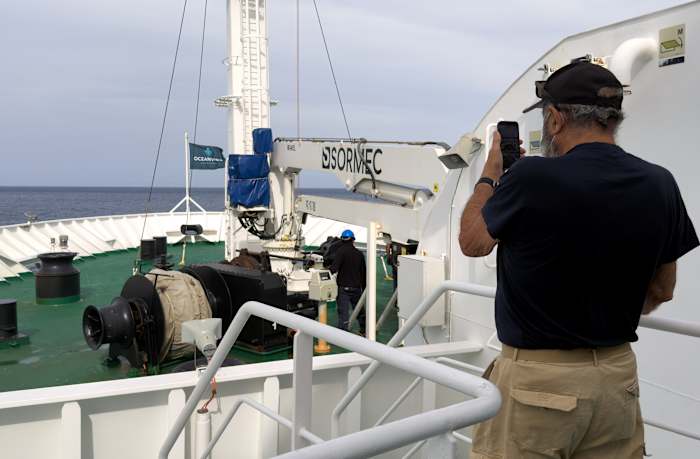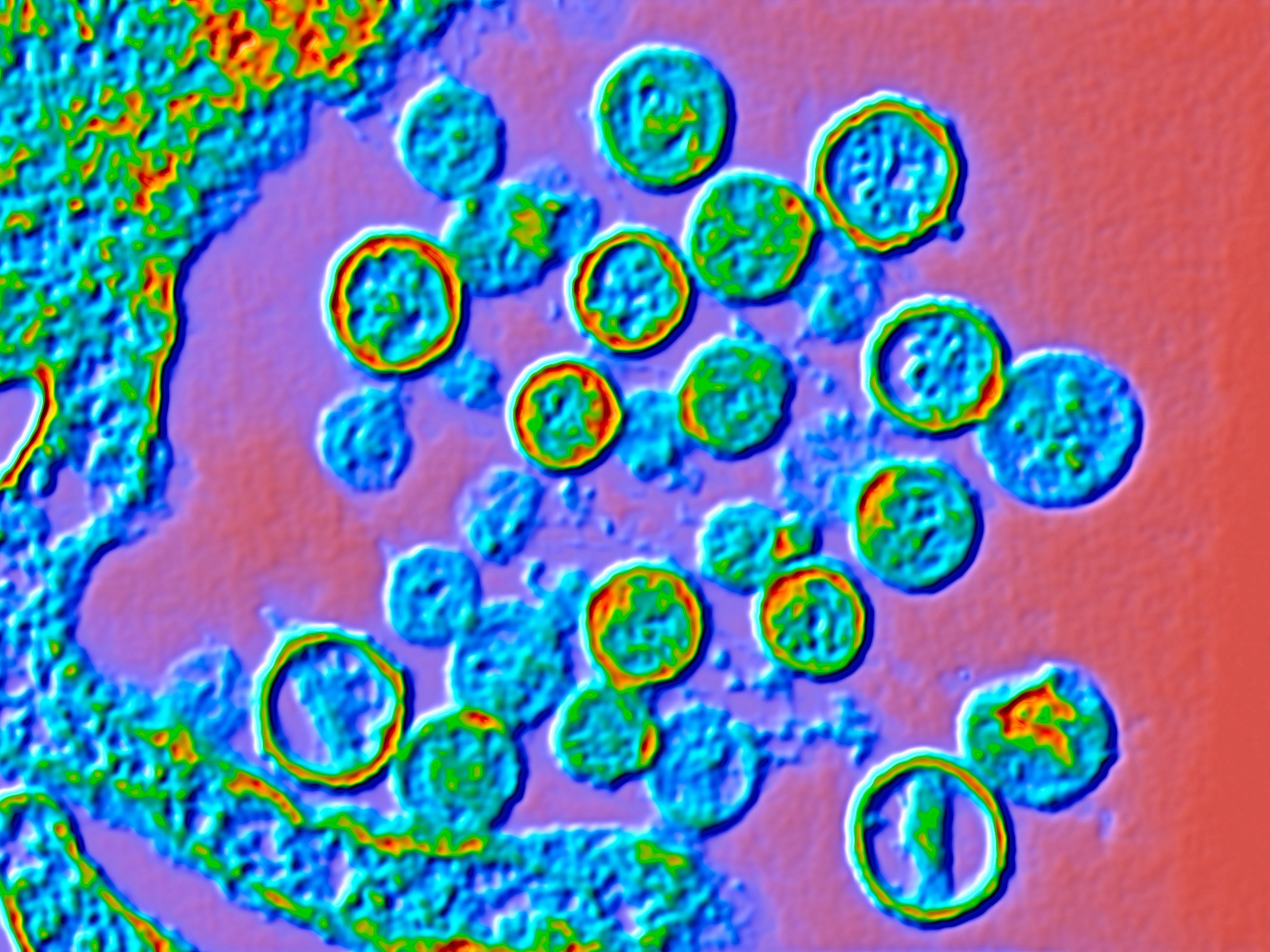
The WHO is currently patting itself on the back for managing an "orderly evacuation" of a cruise ship following a Hantavirus scare. Headlines are screaming about biosecurity, quarantine protocols, and the heroics of international health bureaucracy. They are selling you a narrative of a narrow escape from a burgeoning plague.
It is a lie.
The real story isn't the virus. The real story is the staggering incompetence of global health authorities who treat a rodent-borne pathogen with the same playbooks used for airborne respiratory infections. We are watching a masterclass in performative safety that ignores the fundamental biology of the threat while setting a dangerous precedent for future maritime travel.
The Rodent in the Room
The public hears "Hantavirus" and thinks "Contagion." They imagine a silent killer jumping from person to person across the buffet line. Here is the reality that the WHO’s press releases conveniently bury: Hantavirus Pulmonary Syndrome (HPS) is not a communicable disease between humans.
Outside of the extremely rare Andes virus strain found in parts of South America—which has shown limited person-to-person transmission in specific settings—Hantaviruses are contracted through the inhalation of aerosolized droppings, urine, or saliva of infected rodents. Specifically, the deer mouse, the white-footed mouse, or the cotton rat.
If a passenger on a cruise ship tests positive for Hantavirus, the ship doesn’t have a "virus problem." The ship has a pest control failure.
By framing this as a medical emergency requiring mass evacuation and international coordination, the WHO is shifting the blame away from the cruise line's sanitary standards and onto the "unpredictability" of global pathogens. It is a shell game. You don't need a medical evacuation for Hantavirus; you need a deep clean and a professional exterminator.
The Myth of the Floating Petri Dish
We’ve been conditioned since 2020 to view cruise ships as floating biological hazards. This bias allows the WHO to overreach without being questioned. Let’s look at the mechanics of the evacuation the media is currently praising.
Mass evacuations of thousands of people from a confined vessel are inherently dangerous. They create physical risks—falls, crush injuries, and extreme psychological stress for elderly passengers. When you perform a high-stakes evacuation for a non-communicable disease, you are objectively increasing the risk to human life to solve a PR problem.
I’ve spent years analyzing public health responses to maritime crises. The pattern is always the same:
- A single positive case occurs.
- Panic-driven media coverage forces the hand of regulators.
- Authorities implement "abundance of caution" measures that defy clinical logic.
- The industry pays for the theater while the underlying cause remains unaddressed.
If the goal were truly public health, the response would be surgical. Test the individuals showing symptoms, identify the specific cabin or storage area where rodent activity was present, and isolate that section. Instead, we get a multi-million dollar evacuation spectacle that treats every passenger as a potential biohazard.
The Math of Misguided Fear
Let’s talk numbers. The mortality rate for HPS is high—often cited around 38%. That is a terrifying statistic. However, the transmission rate is effectively zero in a sterile environment.
$R_0$ (the basic reproduction number) for Hantavirus in a human population is $< 1$. In most cases, it is effectively $0$.
By comparison, the $R_0$ for Measles is $12$ to $18$. The $R_0$ for a standard seasonal flu is roughly $1.3$.
Why are we treating a virus with no social transmission capability as if it’s the next Black Death? Because the WHO thrives on the "Emergency" designation. It justifies budgets. It expands jurisdiction. It turns bureaucrats into commanders.
The "lazy consensus" of the competitor’s article suggests that the WHO chief is showing leadership. Real leadership would be telling the public the truth: "You aren't going to catch this from the person sitting next to you. Go back to your cabin while we find the mouse."
The Economic Sabotage of "Safety"
The cruise industry is an easy target. It’s perceived as a luxury for the wealthy or a dated relic for retirees. But the precedent being set here is catastrophic for global logistics and travel.
If we accept that a non-communicable virus justifies the seizure and evacuation of a private vessel, we are giving global health bodies a blank check to interrupt any commerce at any time based on "environmental detections."
Imagine a scenario where a cargo ship is held at a major port because a sailor contracted a localized, non-communicable infection. The global supply chain already hangs by a thread. Using Hantavirus as a justification for mass intervention is like using a sledgehammer to kill a fly—and the sledgehammer is hitting the foundation of the house.
The EEAT Reality Check: Expertise vs. Optics
I have seen health organizations waste tens of millions on "containment" for pathogens that don't spread. I have watched as "experts" ignored the entomologists and zoologists—the people who actually understand how these diseases move—in favor of the optics of a quarantine.
The WHO’s current plan is a "sanitary theater."
They are focusing on the passengers when they should be focusing on the ship's dry storage areas, the HVAC ducting where dust (and feces) settles, and the supply chain of the ship's food vendors. Hantavirus doesn't just appear. It is imported. It is a failure of the "cold chain" or the warehouse security at the port of origin.
But investigating a port’s sanitary standards is boring. It involves lawyers and tedious inspections. Evacuating a cruise ship is cinematic. It makes for a great "breaking news" banner.
Why You Should Be Skeptical
When you read about the "triumph" of this evacuation, ask yourself these questions:
- How many passengers actually tested positive?
- What is the specific strain of the virus? (They rarely tell you this because it would reveal the lack of human-to-human risk).
- Why wasn't the ship simply diverted to the nearest port for a 48-hour sanitary inspection?
The answer is simple: The WHO is not managing a health crisis; they are managing their own relevance. In a post-pandemic world, these organizations are desperate to prove they are "on top of it." They are over-correcting to the point of absurdity.
The danger of this approach is that it desensitizes the public. When a truly communicable, high-mortality pathogen actually emerges, the world will be exhausted by these false alarms. We are crying wolf with Hantavirus.
The Actionable Truth
If you find yourself on a ship or in a resort during a Hantavirus "scare," ignore the hysteria about masks and social distancing. It’s useless for this pathogen.
Instead, do the following:
- Demand to know the rodent mitigation history of the facility.
- Avoid dusty, unventilated areas like old storage lockers or basement levels where droppings might have dried and become airborne.
- Pressure the operators to release specific strain data.
Stop letting the WHO define "safety" as a series of expensive, dramatic logistical maneuvers. Safety is found in the boring details—pest control, ventilation filtration, and honest communication about transmission vectors.
The current evacuation isn't a success story. It is a documented failure of scientific literacy at the highest levels of global governance. We are being led by people who either don't understand the science or, worse, believe that you are too stupid to be told the truth.
The mouse is in the pantry, and the WHO is trying to sink the ship to fix it. Stop applauding.