The air inside a city animal shelter has a specific, heavy weight to it. It is a thick cocktail of industrial-grade disinfectant, wet concrete, and the sharp, metallic tang of anxiety. To a casual visitor, it is a wall of noise—a cacophony of desperate barks and the low, rhythmic thrum of ventilation fans. But for the person sitting in the director’s chair, that noise isn’t just sound. It is a data stream. Every howl is a line item in a budget that never balances; every quiet cat is a question mark about the city’s capacity for compassion.
For years, Los Angeles Animal Services has functioned as a pressure cooker. The city’s shelters are not just buildings; they are the overflow valves for a society struggling with housing crises, economic shifts, and the simple, heartbreaking reality that sometimes, love isn't enough to keep a family together.
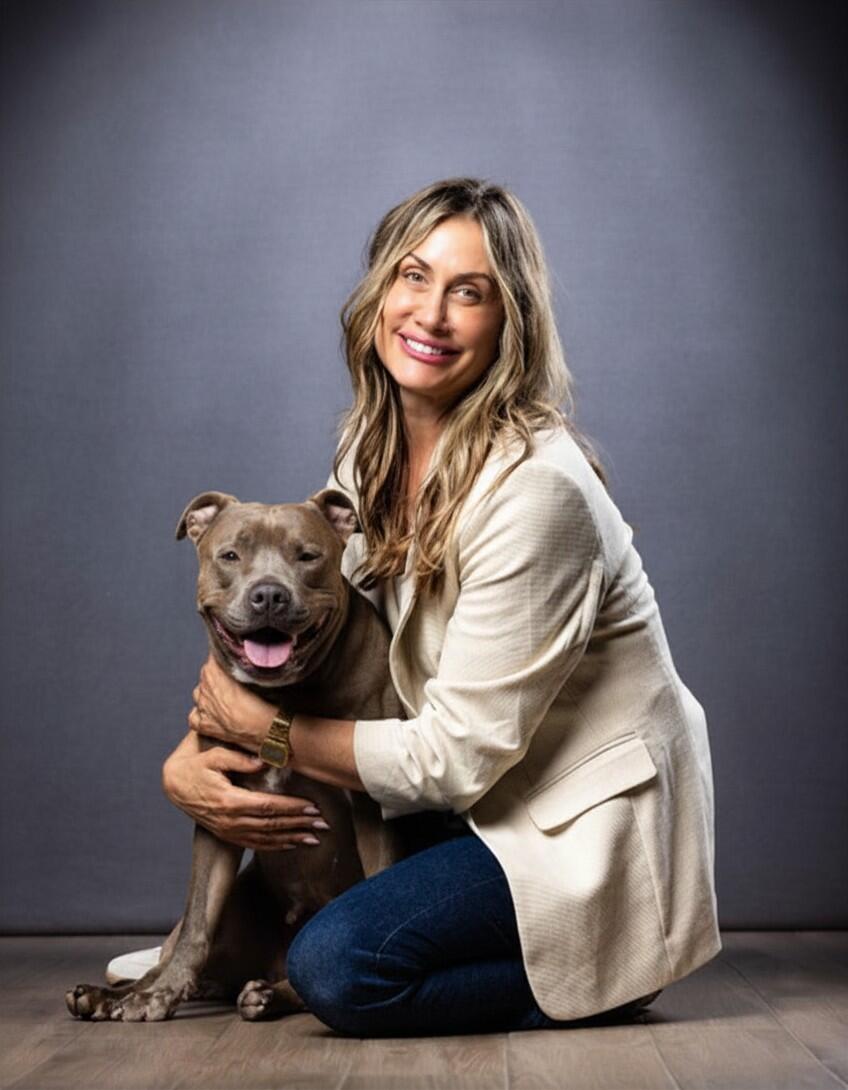
Now, the city has handed the keys to Staycee Dains.
She isn't a political appointee looking for a stepping stone. She is a veteran of the trenches. Before the Mayor’s office called her name, Dains was navigating the complexities of animal welfare in Long Beach. She enters a Los Angeles system that has been treading water, gasping for air between staffing shortages and an overwhelming influx of animals.
The Weight of the Leash
To understand why this appointment matters, we have to look past the press releases and into the kennel. Imagine a dog named Blue.
Blue is a hypothetical gray pit bull mix, three years old, found wandering near a freeway off-ramp. In a perfect world, Blue is scanned for a chip, his owners are called, and he is home by dinner. But in the real world—the one Dains now manages—Blue might wait. He waits because the front desk is understaffed. He waits because the "no-kill" goal, while noble, has led to shelters packed to 200% capacity. He waits because the systems meant to protect him are brittle.
The stakes for Dains are not merely administrative. They are moral. When a shelter is overcrowded, the stress doesn't just affect the animals; it erodes the souls of the people working there. Compassion fatigue is a silent predator in this industry. It turns dedicated rescuers into hollowed-out versions of themselves, burdened by the impossible math of too many paws and not enough pens.
Dains inherited a department that has seen a revolving door of leadership. Stability in this role has been as rare as a quiet Saturday at the North Central shelter. The city’s choice to bring in an executive with a deep, practical background in animal welfare suggests a shift in strategy. It is an admission that the problems facing L.A.’s animals cannot be solved with optics alone. They require someone who knows how to scrub a kennel and how to negotiate a multi-million dollar municipal budget with equal fluency.
The Math of Mercy
The struggle is often framed as a battle between "kill" and "no-kill" philosophies, but that is a binary trap that misses the nuance of the crisis. The real challenge is infrastructure.
Los Angeles is a sprawling ecosystem. From the affluent hills to the densely packed apartments of the urban core, the needs of pet owners vary wildly. Dains faces a city where the cost of veterinary care has skyrocketed, making "economic surrender" a hauntingly common phrase. When a family has to choose between their rent and their retriever’s surgery, the shelter becomes the final, painful resort.
Consider the logistics of a single day. The department must manage thousands of animals across six city shelters. This involves coordinating medical teams, cleaning crews, volunteer networks, and adoption counselors. It is a massive, living machine. If one gear slips—if a volunteer shift goes unfilled or a truck breaks down—the impact ripples through the entire system.
Dains has built her reputation on a philosophy of community-based sheltering. It is a radical yet simple idea: the best place for an animal is in a home, not a cage. But achieving that requires more than just high adoption rates. It requires keeping animals from entering the system in the first place. This means proactive spay and neuter programs, pet food pantries, and support systems for low-income owners. It means shifting the shelter's identity from a warehouse for the abandoned to a resource center for the community.
The Invisible Volunteers
Walking through the corridors of the West L.A. shelter, you see them—the volunteers. They are the lifeblood of the operation, the ones who show up in the rain to walk the high-energy dogs or sit quietly with the terrified kittens. For a long time, the relationship between these volunteers and city leadership has been strained. Trust, once broken, is harder to repair than a chain-link fence.
Dains enters the room with a massive deficit of trust to overcome. The advocacy community in Los Angeles is passionate, vocal, and weary. They have seen promises made and broken. They have seen "transparency" used as a buzzword while the gates remained closed.
To succeed, Dains has to be more than a manager. She has to be a diplomat. She must convince the skeptics that her tenure won't be a continuation of the status quo. That requires more than a town hall meeting. It requires a visible, tangible change in how the department communicates. It means admitting when things go wrong. It means acknowledging that the city cannot do this alone.
The Quiet Hours
There is a window of time in the early morning, before the public arrives, when the shelters are almost peaceful. The dogs have been fed, the floors are still damp from the morning spray-down, and for a few minutes, the weight of the world feels manageable.
This is where the real work happens. It’s in the decision to renovate an aging facility or the move to streamline the foster process so a nervous puppy can sleep on a couch instead of a concrete floor. These are the "invisible stakes." They don't make the headlines, but they define the lived experience of every creature under the city's care.
Dains is stepping into a role that is essentially a lightning rod for the city’s anxieties about its own humanity. We judge a society by how it treats its most vulnerable, and in the urban jungle of Los Angeles, the four-legged residents are at the top of that list.
The appointment of a seasoned professional like Dains is a signal that the city is tired of the crisis. But a captain can only do so much if the ship is taking on water. The success of her leadership will depend on whether the city council and the Mayor’s office provide the resources to match the rhetoric. It will depend on whether the public chooses to step up—to foster, to donate, and to adopt.
The noise of the shelter will never truly go away. There will always be another Blue, another lost cat, another box of kittens left at the gate. But under new leadership, the hope is that the noise becomes a little less desperate. The hope is that the gatekeeper sees not just a list of problems to be solved, but a community waiting to be rebuilt.
Staycee Dains doesn't just have a new job. She has the conscience of a city in her hands. The eyes of the advocates, the volunteers, and the silent, waiting residents of the kennels are all fixed on her. They are waiting to see if the weight of the leash becomes a little lighter for everyone involved.
In the back of a kennel, a gray dog rests his chin on his paws and watches the door, waiting for it to open.