A single centrifuge spinning in a concrete hall deep beneath the Iranian salt flats is not just a piece of machinery. It is a pendulum. Every rotation marks the distance between a world that breathes easy and a world that waits for the flash. To the diplomats in Vienna or Geneva, this is a matter of percentages—the difference between uranium enriched to 5% and uranium pushed to 60%. But for the people living in the shadow of these decisions, the math is far more visceral.
The current standoff between the West and Iran is often framed as a technical dispute over inspections and breakout times. This is a mistake. It is a collision of two incompatible prides, a high-stakes staring match where both sides have forgotten how to blink.
Consider a hypothetical watchmaker in Isfahan. We will call him Ahmad. He does not care about the isotopic concentration of Uranium-235. He cares about the fact that the price of the Swiss parts he needs to repair a family heirloom has tripled in six months. He cares that his daughter’s asthma medication is stuck behind a wall of banking sanctions that treat life-saving inhalers like pieces of a missile. For Ahmad, the nuclear program is a ghost. He cannot see it, but he feels its hand around his throat every time he opens his ledger.
On the other side of the ocean, a policy analyst in Washington stares at a satellite image. To her, those same centrifuges represent an existential breach of the global order. She sees a sequence of events that leads inevitably to a regional arms race, a collapsed non-proliferation treaty, and a Middle East where the margin for error is zero.
These two people are looking at the same problem from opposite ends of a telescope. One sees a struggle for basic dignity and sovereignty; the other sees a rogue state sprinting toward a cliff. The tragedy is that both are right.
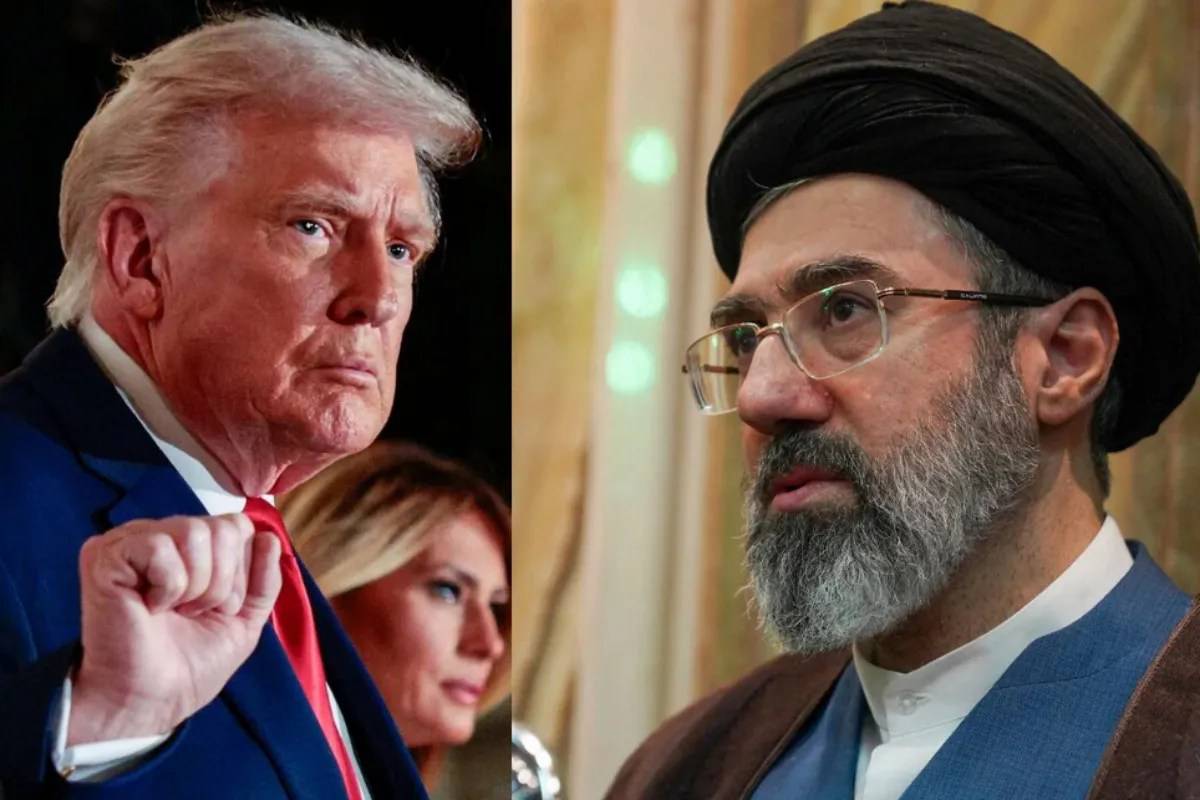
The central friction point is a demand for total surrender disguised as diplomacy. The West insists that Iran must dismantle the architecture of its nuclear ambition before the pressure of sanctions is lifted. Tehran maintains that the pressure must vanish before they stop the wheels from spinning. It is the classic Mexican standoff, but the participants are holding the fate of millions rather than revolvers.
The 2015 nuclear deal, known formally as the JCPOA, was a fragile bridge built on the idea that verification could replace trust. It worked, until it didn't. When the United States walked away in 2018, it didn't just tear up a contract. It validated the hardliners in Tehran who had always argued that the West's word is written in water.
Now, we are left with the wreckage of that bridge.
Iran has responded to "maximum pressure" with "maximum resistance." They have moved their most sensitive work into the mountains of Fordow, deep enough to shrug off conventional bunker-busters. They have mastered the art of the spin, refining their technical knowledge to a point where it can never truly be unlearned. You can destroy a laboratory, but you cannot bomb a thought. The expertise is already in the minds of the scientists.
This brings us to the uncomfortable reality of the current "bowing" narrative.
Negotiations have stalled because both sides are operating under the delusion that the other is on the verge of collapse. Washington bets that the Iranian economy will eventually buckle, forcing the leadership to trade its nuclear dreams for bread. Tehran bets that the West’s appetite for another conflict in the Middle East is non-existent and that they can slowly build enough leverage to force a better deal.
They are both waiting for a white flag that is never coming.
The human cost of this waiting game is staggering. Sanctions are designed to target regimes, but they are precise like a sledgehammer is precise. They hit the most vulnerable first. In the hospitals of Tehran, doctors struggle with a shortage of specialized isotopes for cancer treatment—ironic, given the nuclear nature of the conflict. The very technology being debated in the halls of power is the technology that could save the person in the oncology ward, yet the political deadlock keeps the medicine out of reach.
Wait.
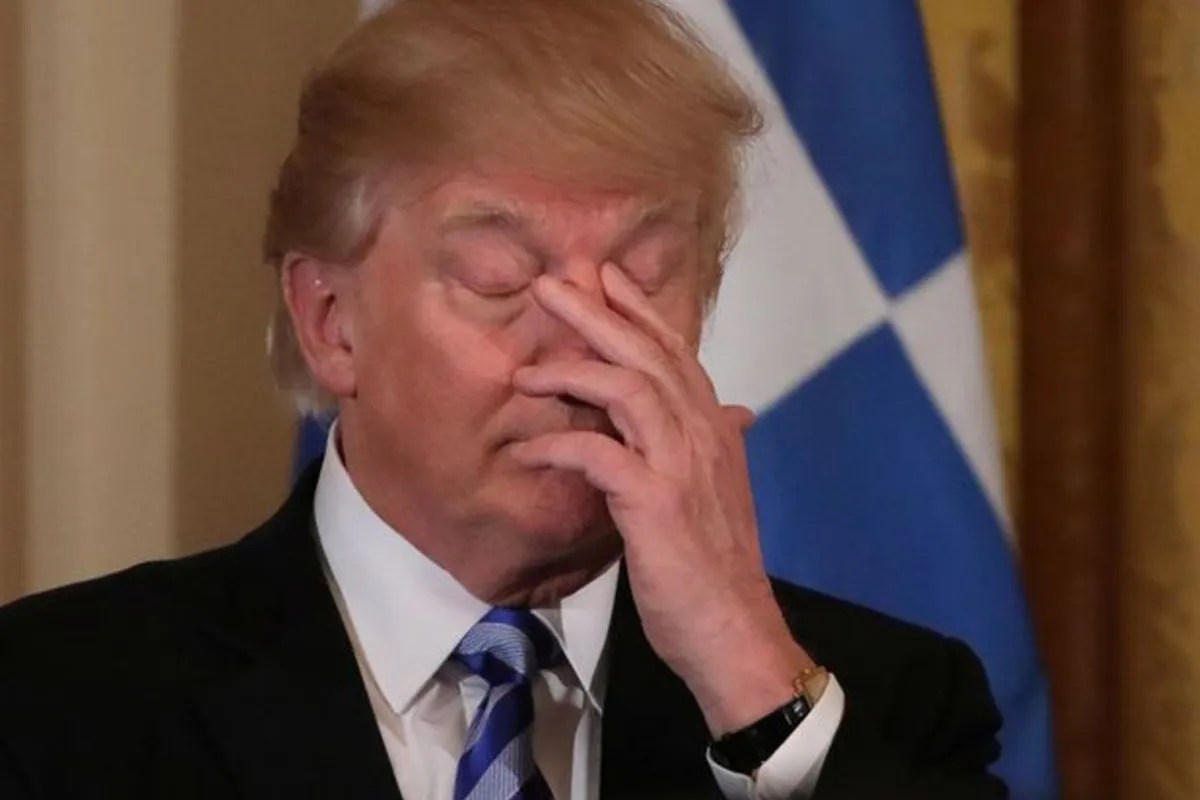
Listen to the rhetoric coming out of the latest rounds of talks. It is a language of "red lines" and "non-starters." This is the vocabulary of the bunker, not the table. When a diplomat says a demand is non-negotiable, they are really saying they are afraid of the political fallout back home. No leader wants to be the one who "bowed." In the hyper-polarized environments of both Washington and Tehran, compromise is often painted as a betrayal.
This fear of looking weak is the primary engine of the crisis. If Iran scales back its enrichment without an ironclad guarantee of permanent sanctions relief, the regime risks losing its leverage and its face. If the United States grants that relief without first seeing the centrifuges stop, the administration is accused of appeasement.
The technical hurdles—the number of advanced IR-6 centrifuges, the purity of the stockpile, the access for IAEA inspectors—are actually the easy parts. Engineers can solve those. The impossible part is the psychology. How do you give someone a way out that doesn't look like a way down?
The invisible stakes go beyond a single bomb. We are talking about the precedent for the next fifty years of global security. If the deadlock holds, we move into a world of "threshold states," where countries stay exactly one week away from a weapon at all times. It is a state of permanent tension, a hair-trigger peace that requires everything to go right, every single day, forever.
The irony is that the two sides actually want something the other can provide. Iran wants to be a normal country with a functioning economy and a seat at the table. The West wants a Middle East that isn't staring down the barrel of a nuclear arms race. The trade is obvious. The path to it, however, is overgrown with decades of grievance and broken promises.
History shows that these cycles of escalation rarely end in a clean victory for one side. They usually end in a catastrophe that forces a settlement, or a quiet, grueling realization that the status quo is more expensive than a compromise.
We are currently in the grueling realization phase.
The "bowing" the headlines talk about isn't a physical act. It is a psychological shift. It requires one side to acknowledge that their opponent's fears are as real as their own. It requires the West to understand that for Iran, the nuclear program is a shield against the memory of a century of foreign interference. It requires Iran to understand that for the world, a nuclear-armed Tehran is a risk that cannot be managed or contained.
There is a rhythm to the enrichment process. A steady, high-pitched whine that fills the halls of the facility. It is the sound of a country moving toward a destination it claims it doesn't want to reach. Outside those halls, the world watches the needle move closer to the red zone.
If the current trajectory holds, the choice won't be between a deal and a stalemate. It will be between a deal and a fire.
The watchmaker in Isfahan adjusts his loupe. He works on a tiny gear, a piece of metal no larger than a grain of sand. He knows that if one tooth is out of alignment, the whole mechanism fails. He knows that force doesn't fix a delicate watch; it crushes it. He waits for the world to learn the same lesson, while the pendulum in the desert keeps swinging, faster and faster, toward a midnight that no one is ready for.
The silence that follows a broken clock is the loudest sound in the world.