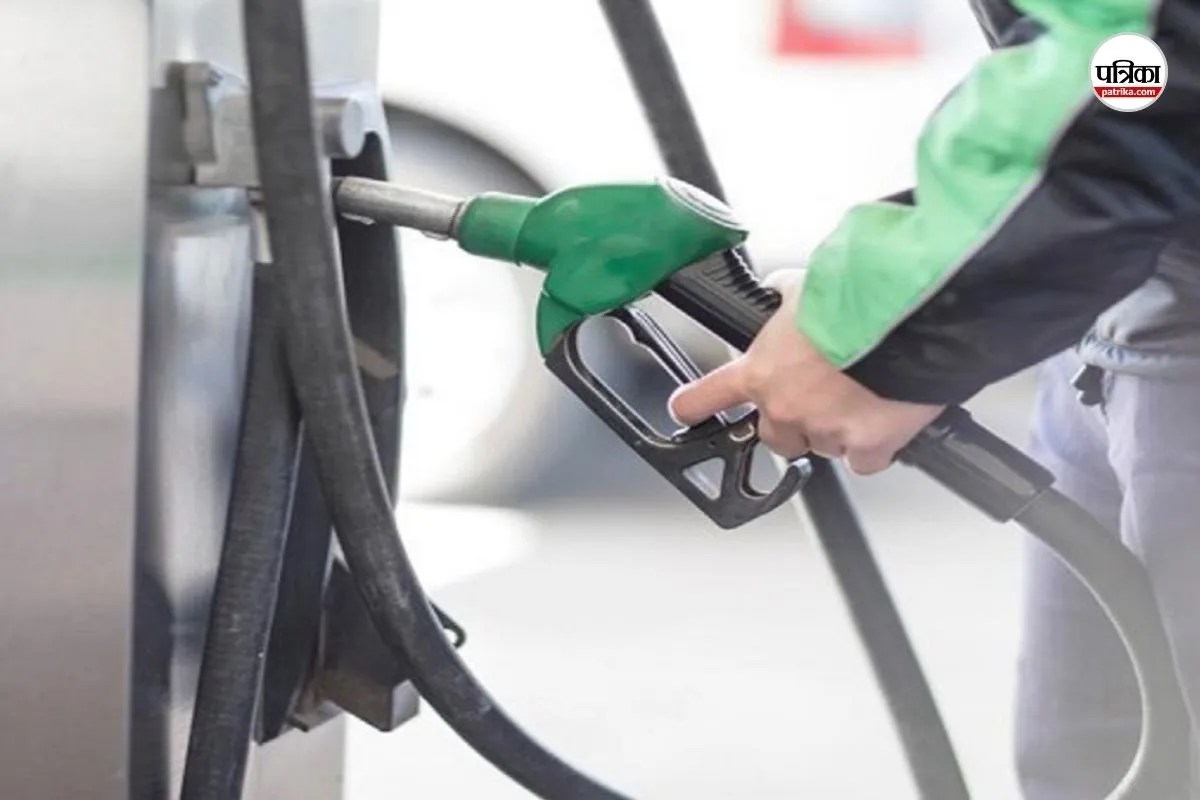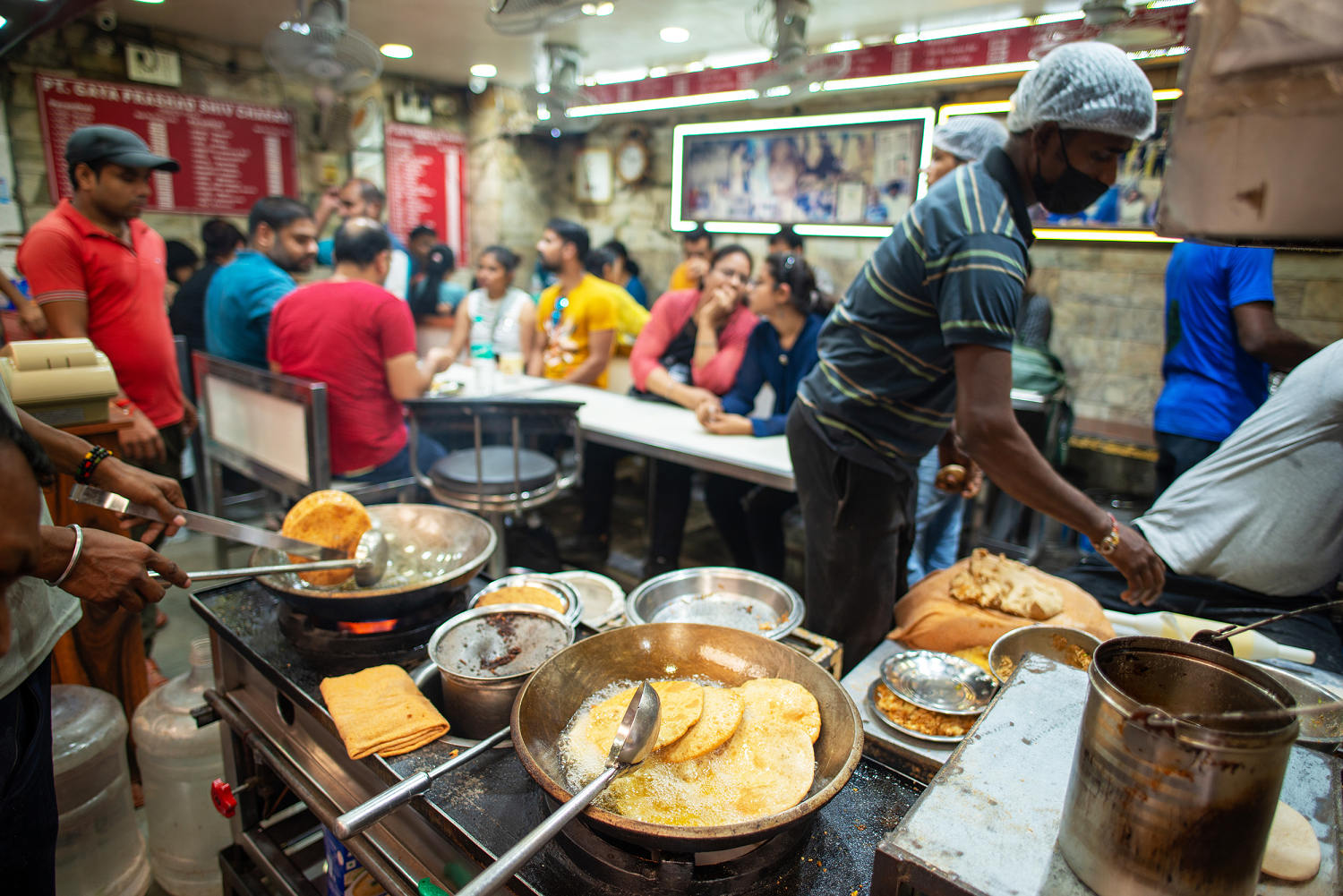
Morning in Delhi usually smells like scorched flour and spicy oil. You see it on every street corner. People stand in lines, shoulder to shoulder, waiting for that perfect, pillowy kulcha or a crisp tandoori roti. It's a ritual. But lately, those lines aren't moving because the fire's gone out. A massive shortage of Liquified Petroleum Gas (LPG) is hitting the small-scale food vendors who feed millions of workers every day. When the gas stops flowing, the heart of the Indian street food economy stops beating.
This isn't just about a missed lunch. It's about a supply chain that's buckling under the weight of global price shifts and local distribution failures. For the guy running a roadside dhaba, gas isn't a luxury. It's his only way to earn. If he can't get a cylinder, he doesn't cook. If he doesn't cook, he doesn't eat. It's that simple and that brutal.
Why the Blue Flame is Fading
India relies heavily on imported LPG. While the government has made huge strides in connecting rural households to clean cooking fuel through the Ujjwala scheme, the commercial sector is a different beast altogether. Commercial gas cylinders, which are larger and significantly more expensive than domestic ones, are the lifeblood of the flatbread industry.
The current crunch stems from a mix of logistical bottlenecks at major ports and a spike in international procurement costs. When the global market gets volatile, the local vendor feels it first. Many small businesses are reporting that they've been forced to wait days for refills that used to arrive in hours. Some have turned to the black market, paying double the official rate just to keep their tandoors hot.
The Tandoor Economy Under Pressure
The tandoor isn't just an oven. It's a high-heat beast that demands a steady, high-pressure flow of gas. You can't just swap it for a microwave or a slow cooker. The chemistry of a perfect naan requires that intense blast of heat to create the bubbles and char that people crave.
When gas runs short, vendors face impossible choices. They can raise prices, but their customer base consists of daily wage laborers and office clerks who are already feeling the pinch of inflation. A fifty-paise hike in the price of a roti can drive away half a shop's business.
- Fuel Cost Hikes: Commercial LPG prices fluctuate wildly, often jumping 10% in a single month.
- Supply Unreliability: Vendors can't plan a menu if they don't know if they'll have fuel by noon.
- Labor Stress: Staff sit idle when the gas runs out, but they still need to be paid.
I've seen shops in Mumbai and Kanpur simply pull down their shutters by 1 PM. They ran out of gas, and the delivery truck was nowhere to be found. This lost revenue is never recovered. It's gone.
Beyond the Kitchen
The ripple effect goes way past the flatbread. Think about the farmers producing the wheat. Think about the dairy workers providing the butter and yogurt. When thousands of street vendors stop buying, the entire agricultural demand curve shifts.
We're seeing a shift in how these micro-entrepreneurs operate. Some are desperately looking at alternative fuels, but the options are grim. Wood and coal are cheaper but lead to massive health risks and environmental fines. Electricity is an option for some, but the upfront cost of industrial induction equipment is way out of reach for a guy with a cart.
The Government Role and the Subsidy Gap
There's a massive price gap between domestic gas and commercial gas. This has created a "gray market" where domestic cylinders are illegally diverted to restaurants and stalls. Authorities try to crack down, but it's like plugging a sieve with your fingers. As long as the price of doing business legally is too high, people will find a way around it.
The solution isn't just more supply. It's better infrastructure. We need more bottling plants and a more transparent distribution network that doesn't prioritize the big restaurant chains over the small-time kulcha wallah.
Moving Toward Fuel Security
If you're a business owner or just someone who cares about where your food comes from, it's time to pay attention to the energy security of the informal sector.
- Monitor Commercial Rates Daily: Don't get caught off guard by sudden price hikes.
- Diversify Cooking Methods: If possible, integrate hybrid systems that use both gas and electric to hedge against shortages.
- Bulk Booking: Small vendors should form cooperatives to buy gas in larger quantities, giving them more leverage with distributors.
The current situation is a wake-up call. We can't take the local food stall for granted. They're the ones keeping the city fed, and right now, they're fighting for every flame. Support your local vendors, understand that their prices might have to go up, and realize that a roti on your plate is the result of a very fragile energy balance.