Beijing just sent a loud message to Brussels, and it isn't about electric vehicles or cognac. For the first time, China is swinging its regulatory hammer at European defense firms over their ties to Taiwan. On April 24, 2026, the Chinese Commerce Ministry effectively blacklisted seven European entities, slapping them with immediate export bans on dual-use items.
If you've followed the "One China" drama, you know this usually happens to American giants like Lockheed Martin or Northrop Grumman. Seeing European names like Germany's Hensoldt and Belgium's FN Herstal on the list is a massive shift. It's a signal that the "business as usual" shield Europe once enjoyed is cracking.
The hit list and why it matters
The blacklist isn't just a random assortment of companies. It’s a targeted strike against firms that provide specialized tech. Here’s who got caught in the crosshairs:
- Hensoldt AG (Germany): A heavy hitter in defense electronics and sensor tech.
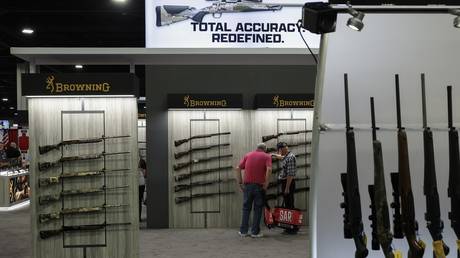
- FN Herstal and FN Browning (Belgium): Famous for small arms and light weapons.
- Excalibur Army and Omnipol (Czech Republic): Major players in land systems and radar technology.
In total, four of the seven entities are Czech. This isn't a coincidence. While Western Europe often tries to balance trade with China against security concerns, Prague has become one of Taiwan’s most vocal supporters in recent years. Beijing’s move to target four Czech firms is a direct "receipt" for that diplomatic warming.
It's about dual-use leverage
Beijing isn't just saying "we won't buy your guns." They’re saying "you can’t buy our stuff." By banning the export of dual-use items—goods that work for both civilian and military purposes—China is hitting these firms where it hurts: the supply chain.
Think about rare earth elements. You need them for high-end chips, drones, and sensors. If you're Hensoldt and you're building advanced radar systems, losing access to specific Chinese-processed minerals or components is a nightmare. China knows it holds the cards on raw materials, and it's starting to play them as a geopolitical weapon against Europe.
The timing isn't accidental
You have to look at what else happened last week. The European Union just pushed through its 20th sanctions package against Russia. That package specifically targeted several Chinese firms accused of helping Moscow’s war effort.
Beijing’s "Taiwan-related" sanctions on European firms look a lot like a counter-punch. By framing this as a national security issue over Taiwan, China avoids making it a direct one-for-one trade war over Russia, but the timing tells the real story. It’s a warning: if the EU targets Chinese companies for helping Russia, China will target European companies for helping Taiwan.
What this means for European defense
For decades, European arms makers played it safe. They didn't sell the "big ticket" items like fighter jets or submarines to Taipei because they didn't want to lose the massive Chinese civilian market. But smaller contracts for electronics, components, and small arms have quietly continued.
That "quiet" era is over. Beijing's Commerce Ministry was blunt, accusing these firms of "collusion" with Taiwan. This terminology is intentionally vague. It means almost any interaction with the island’s defense establishment can now land a European CEO on a blacklist.
It puts companies in an impossible spot. Do you walk away from Taiwan, a stable and growing market for defense upgrades, to keep your Chinese supply lines open? Or do you double down on Western alliances and scramble to find new sources for rare earths and components?
The myth of the "unaffected" trade
The Chinese government claims these measures won't hurt "normal" trade. Don't buy it. When you blacklist major defense contractors, the ripple effects hit logistics, insurance, and banking. Any EU firm that shares a parent company or a subsidiary with these seven entities is now looking over its shoulder.
Taiwan’s Defense Minister, Wellington Koo, tried to brush it off, saying it won't stop their procurement. He’s right in the short term—Taiwan buys mostly American anyway. But for Europe, this is a wake-up call. The Chinese market is no longer a neutral zone where you can sell cars and chemicals while ignoring the security tensions in the Pacific.
What you should do next
If you're in the defense, tech, or aerospace sectors, this is the moment to audit your supply chain. Don't wait for the eighth or ninth firm to be added to the list.
- Map your dual-use dependencies: Identify every component or raw material you source from China that could be classified under their Export Control Law.
- Diversify now: Look to Southeast Asia, Australia, or domestic European suppliers for critical minerals. It’s more expensive today, but it’s cheaper than a total production halt tomorrow.
- Watch the Czech Republic: As the primary target in this round, how Prague responds will dictate whether the EU stays united or if Beijing successfully "picks off" individual member states through economic pressure.
The "Taiwan-related" excuse is just the beginning. Beijing has shown it's willing to use its export dominance to punish European security policy. The board has changed, and it's time to play accordingly.