The air in the Finance Ministry in Islamabad doesn't smell like money. It smells like old paper, lukewarm tea, and the distinct, metallic tang of anxiety. For decades, the ritual has remained the same. A balance sheet turns red. The foreign exchange reserves dip toward a number that triggers cardiac arrest in central bankers. Then, a high-ranking official picks up a secure line to Riyadh.
It is the ultimate safety net. A "lifeline" is the polite term used by diplomats, but it feels more like a recurring miracle. Billions of dollars in "deferred oil payments" or "central bank deposits" arrive just as the lights are about to flicker out. But miracles are rarely free, and they are never infinite.
Pakistan is currently learning that the gold-paved road to Saudi Arabia has developed a toll booth that no longer accepts IOUs.
The Man at the Petrol Pump
Consider a man named Tariq. He is hypothetical, but his struggle is the lived reality for millions of Pakistanis. Tariq drives a rickshaw in Lahore. Every time the government in Islamabad fails to secure a rollover of a Saudi loan, the price of the fuel Tariq buys spikes. He doesn't understand the complexities of "liquidity support" or "sovereign credit ratings." What he understands is that his children are eating smaller portions of dal because a prince five thousand miles away is rethinking his investment strategy.
For Tariq, the Saudi-Pakistan relationship isn't about geopolitics. It is about the terrifying fragility of his own life. When the news reports that a $3 billion deposit has been extended, Tariq breathes. When the news suggests the Saudis are tired of lending, Tariq loses sleep.
This is the human cost of a nation that has outsourced its economic survival to the generosity of a neighbor. It creates a psychological dependency that mirrors a troubled family dynamic. One side is the perennial spender, always promising to do better; the other is the weary benefactor, slowly realizing that their charity is actually preventing the growth it was meant to encourage.
The Shift in the Desert Sand
The traditional logic was simple: Pakistan provided military muscle and strategic depth, while Saudi Arabia provided the fuel and the cash. It was a blood-and-oil pact that seemed unbreakable. However, the crown in Riyadh has changed heads, and with it, the very definition of Saudi interest has shifted.
Crown Prince Mohammed bin Salman is not his predecessors. He is not interested in the "charity for stability" model that defined the 20th century. Under his Vision 2030, every riyal must work. Every investment must yield a return, whether financial or geopolitical. The Saudis are no longer content to simply drop bags of cash into a leaking bucket. They want to see the bucket repaired.
This is where the friction begins.
The Saudi leadership is now demanding structural reforms that Pakistani politicians have spent decades avoiding. They want to see tax bases widened. They want to see state-owned enterprises—the giant, wheezing bureaucracies that drain the national treasury—privatized or made efficient. They are, in effect, acting less like a big brother and more like a high-stakes private equity firm.
The message from Riyadh is blunt: We will help you, but only if you prove you are willing to save yourselves.
The Illusion of the Bottomless Well
There is a dangerous comfort in being "too big to fail." For a long time, the Pakistani establishment operated under the assumption that the world—and specifically the Gulf—could never afford to let a nuclear-armed nation of 240 million people collapse.
It is a form of geopolitical blackmail. "If we go down, the neighborhood goes with us."
But leverage is a wasting asset. When you use the same threat for thirty years, the listener starts to call your bluff. The Saudis have watched as billions of their dollars vanished into the black hole of Pakistani subsidies and circular debt. They have seen IMF programs signed with fanfare and broken within months.
Consider the "Circular Debt" in Pakistan’s energy sector. It is a technical term for a simple, devastating problem: the government buys power at one price, sells it at a lower price to win votes, and then can’t pay the power companies. The gap is filled by borrowing. Eventually, that debt becomes a mountain that threatens to crush the entire economy.
When the Saudis look at this, they don't see a brother in need. They see a business partner who refuses to keep the books straight.
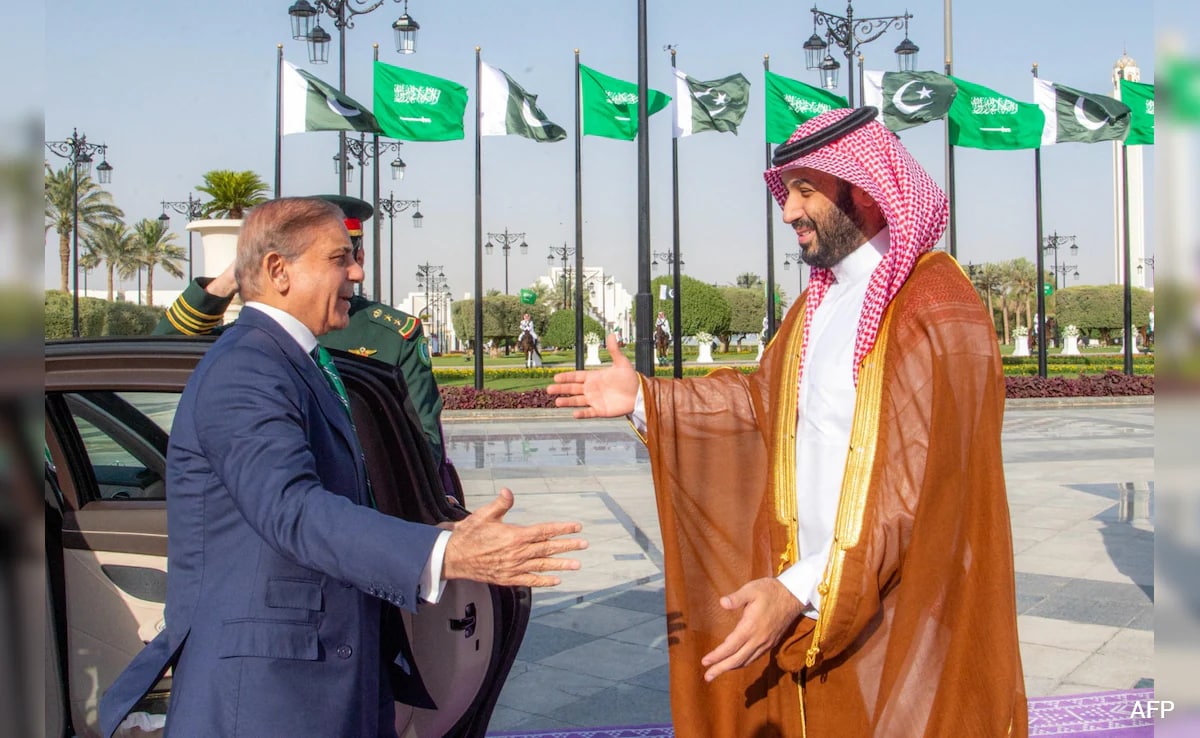
The Weight of the Handshake
In the halls of power, the vibe has shifted from fraternal warmth to transactional coldness. Gone are the days when a quick trip to Jeddah resulted in a blank check. Now, those trips involve grueling meetings with technocrats who ask for spreadsheets, not poems about Islamic solidarity.
This shift is terrifying for a political class that relies on short-term fixes to survive the next election cycle. Fixing an economy requires pain. It requires cutting subsidies that the poor rely on and taxing the elites who fund political campaigns. It is a recipe for losing an election.
So, the leaders return to the Saudi well, hoping for one more bucket of water. But the well isn't dry; it’s just locked. And the Saudis are holding the key, waiting for Pakistan to trade its old habits for the code.
The invisible stake here is the sovereignty of the nation. Every time a country relies on a foreign power to pay its electricity bills, it loses a piece of its own agency. You cannot have an independent foreign policy when your central bank’s reserves are essentially a temporary loan from a foreign monarch.
The Mirror and the Reality
There is a specific kind of exhaustion that sets in when you realize your safety net is fraying. You can see it in the eyes of the shopkeepers in Karachi and the exporters in Sialkot. They are waiting for a stability that never comes, because the stability is built on the whims of a benefactor, not the productivity of the people.
If the Saudi lifeline truly has limits—and all signs point to the fact that it does—Pakistan faces a choice that it has deferred for half a century.
It can continue to chase the "miracle" of the next bailout, moving from Riyadh to Beijing to the IMF like a gambler looking for one last winning hand. Or, it can accept the grueling, unglamorous work of building an economy that actually functions.
The Saudis are doing Pakistan a painful favor by saying "no." By setting limits, they are forcing a mirror in front of the Pakistani state. The reflection isn't pretty. It shows a nation with immense talent, a massive youth population, and fertile land, all being held hostage by a system that finds it easier to beg than to build.
Tariq, the rickshaw driver, doesn't need another Saudi loan. He needs a country where the currency doesn't evaporate while he's sleeping. He needs a government that doesn't view the national budget as a series of fires to be put out with someone else’s water.
The sun is setting on the era of the easy bailout. The long, golden shadows of the Saudi dunes are stretching across the Indus, and for the first time in a generation, the lights in Islamabad might have to stay on through Pakistan's own strength, or not at all.
The silence on the other end of the secure line is the loudest warning the country has ever received.
The vaults in Riyadh are full, but for the first time, they are closed to those who refuse to walk on their own two feet.