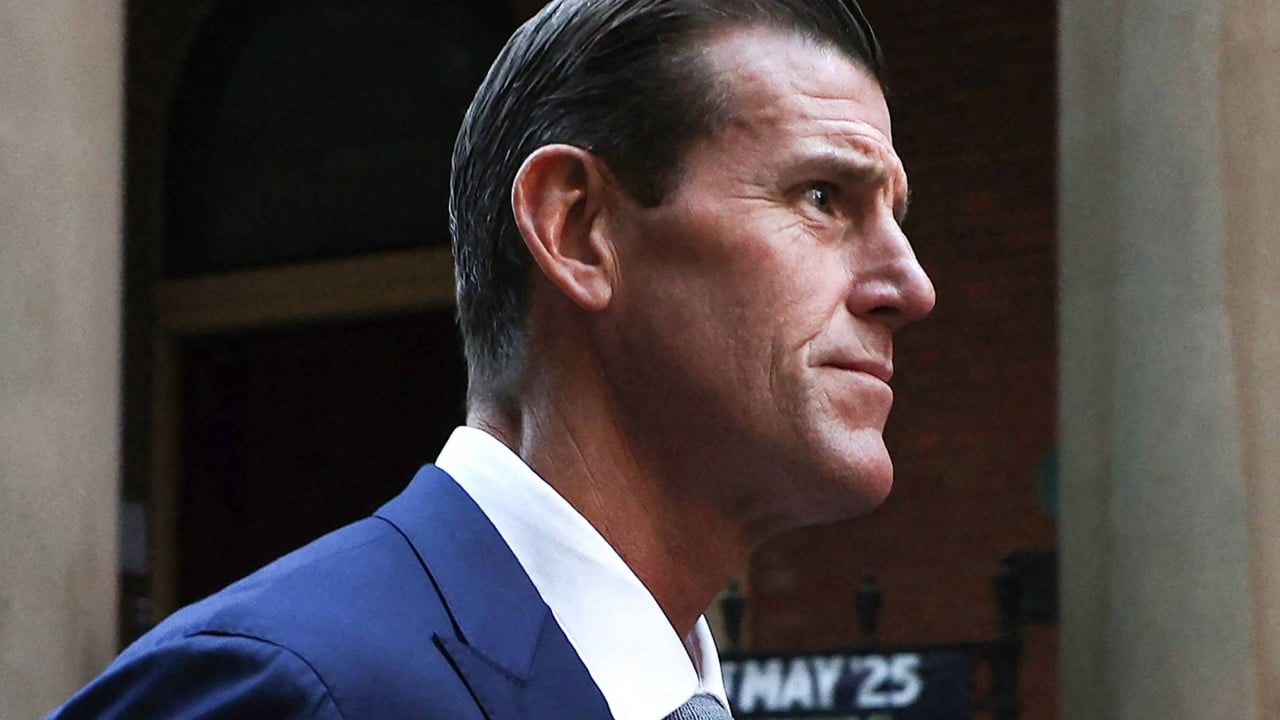
The moral outrage machine is humming at full capacity. Headlines are screaming about the "fall from grace" of a decorated Australian soldier. Five counts of murder. A war crime probe finally bearing teeth. The public is being fed a narrative of individual rot—a few bad apples who lost their way in the dust of Uruzgan province.
This is a lie. Not because the events didn't happen, but because the prosecution of a single operator is the ultimate "get out of jail free" card for the bureaucrats and generals who designed the meat grinder in the first place.
When we focus on the trigger puller, we ignore the system that demanded the pull. We are witnessing the sacrificial offering of a tactical asset to protect strategic failure. If you think five murder charges solve the ethical bankruptcy of the Afghan campaign, you aren't paying attention to how power actually works.
The Myth of the Rogue Operator
The media loves the "Rogue Warrior" trope. It’s clean. It’s cinematic. It allows the public to believe that our institutions are sound and only failed because one man decided to play god in a compound.
I have spent decades watching how special operations units function. These are not loose cannons. These are the most scrutinized, monitored, and managed human beings on the planet. Every mission is green-lit by a chain of command that stretches back to climate-controlled offices in Canberra. Every "kinetic engagement" is reported, logged, and reviewed.
To suggest that a soldier could rack up five alleged murders in a vacuum of oversight is an insult to military intelligence. The "rogue" narrative is a convenient fiction used by the high-flier brass to distance themselves from the inevitable outcomes of the high-tempo, "kill-capture" cycles they mandated.
The Australian Defence Force (ADF) leadership didn't just allow this culture; they built it. They optimized for body counts and then acted shocked when the counting got messy.
The Brereton Report and the Cowardice of Command
The Brereton Report, which laid the groundwork for these charges, is a masterclass in buck-passing. It identified a "disgraceful" culture within the Special Air Service Regiment (SASR). Yet, it largely insulated the senior leadership from any criminal accountability.
The logic is staggering: the soldiers are responsible for the crimes, but the generals are not responsible for the soldiers.
Imagine a CEO of a global bank who incentivizes his traders to take illegal risks, provides the software to hide the evidence, and then claims he had no idea why the economy collapsed. We would call for his head. In the military, we give that person a promotion and a pension while we put the sergeant on trial.
- The Intent: Clear the compounds.
- The Metric: Higher casualty counts for the enemy.
- The Result: A blurred line between combatants and non-combatants.
This isn't a "lapse in judgment." It is the logical conclusion of a strategy that treated counter-insurgency like a production line.
Why the Rules of Engagement are a Legal Mirage
People ask: "Did they follow the Rules of Engagement (ROE)?"
This question is a trap. ROE are not moral guidelines; they are legal shields. They are designed to be ambiguous enough to allow for violence and specific enough to blame the soldier if that violence becomes a PR nightmare.
In the heat of a high-altitude raid, where "military-age males" are the default target, the ROE become a Rorschach test. The prosecution will argue that these five instances were clear-cut murders. The defense will argue they were split-second decisions in a hostile environment. Both sides miss the point.
The real crime is the "strategic ambiguity" created by the politicians. We sent soldiers into a war with no definable victory, asked them to win hearts and minds by kicking down doors at 3:00 AM, and now we are judging their "morality" from the comfort of a courtroom with 20/20 hindsight.
The Cost of the "Justice" Spectacle
This trial will take years. It will cost millions. It will dominate the news cycle. And at the end of it, what changes?
If this soldier is convicted, the ADF will claim the system "cleansed itself." They will say justice was served. But the underlying structures that produce these outcomes remain untouched.
- The culture of secrecy remains.
- The lack of civilian oversight of special operations remains.
- The immunity of the top brass remains.
True justice wouldn't stop at the person holding the rifle. It would extend to the people who signed the deployment orders for the 15th time, knowing the unit was red-lining. It would include the intelligence officers who provided the flawed targets. It would include the ministers who prioritized their "special relationship" with Washington over the lives of their own soldiers and Afghan civilians.
Stop Asking if the Soldier is Guilty
Instead, start asking why he was the only one in the room.
We are obsessed with the "what"—the specific acts of violence. We need to be obsessed with the "why." Why did the Australian government believe that elite special forces were the appropriate tool for a decade-long nation-building exercise? Why was there no whistle-blower protection that actually worked? Why did it take years of investigative journalism to force the military’s hand?
The answer is simple: the military didn't want to find these crimes. They were forced to. And now that they have been caught, they are doing what every large, failing institution does—they are finding a scapegoat.
This isn't a win for human rights. It's a PR exercise in institutional survival.
If we want to prevent future war crimes, we don't need more high-profile trials of individual operators. We need a fundamental dismantling of the cult of the special forces, an end to the "warrior" worship that replaces professional ethics, and a legal framework that holds the highest-ranking officer in the chain of command criminally liable for the actions of their subordinates.
Anything less is just theater.
The prosecution of this soldier is a distraction from the larger, more uncomfortable truth: the war was the crime. The charges are just the footnotes.
Don't let the spectacle of a courtroom convince you that the system is working. The system is protecting itself by eating its own.
Handcuff the generals or stop pretending you care about justice.