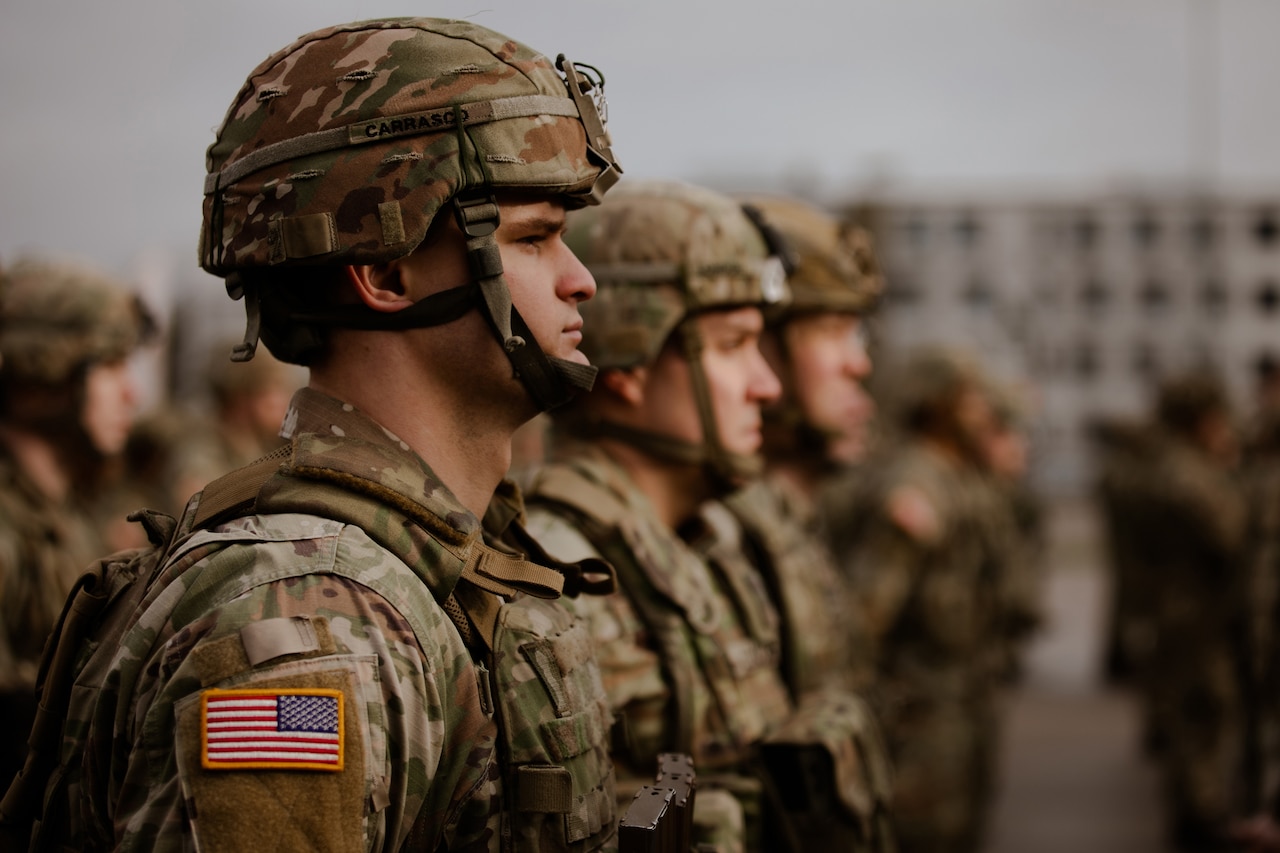
Don't believe the panic merchants screaming about the end of the world. Yes, the Pentagon is moving 10,000 more troops into West Asia. Yes, the USS George H.W. Bush is steaming toward the Persian Gulf with 6,000 personnel. And yes, the Boxer Amphibious Ready Group is bringing another 4,200 Marines to the party. But if you think this is the opening bell for a 50-year ground war in Tehran, you're looking at the wrong map.
This isn't about an invasion. It's about a clock.
A two-week ceasefire is ticking down toward its April 22 deadline. President Trump wants to squeeze Tehran into a corner before the shooting starts again. The goal is simple: total maritime superiority and a chokehold on Iranian trade. By flooding the zone with 10,000 additional boots, the US is trying to force a deal in negotiations led by Vice President JD Vance. It's high-stakes poker with aircraft carriers instead of chips.
The 10,000 Troop Surge is a Squeeze Not a Siege
Most people see "10,000 troops" and imagine tanks rolling across the desert. Honestly, that's not what's happening. These forces are primarily naval and aerial assets designed to enforce the blockade Trump announced last Sunday. The USS George H.W. Bush isn't there to land troops; it's there to ensure not a single drop of oil leaves Iranian ports without permission.
The troop breakdown looks like this:
- 6,000 personnel on the USS George H.W. Bush carrier strike group.
- 4,200 Marines from the 11th Marine Expeditionary Unit (MEU) aboard the Boxer Amphibious Ready Group.
- Support elements already trickling into bases in the region.
These units join the roughly 50,000 US personnel already on the ground. When you add it up, it's a massive wall of iron. But it’s a wall designed to prevent movement, not necessarily to initiate a broad ground offensive. The Pentagon is playing a game of "maritime superiority." They want to turn the Persian Gulf into a US lake.
Why the April 22 Deadline Matters
The current pause in hostilities is paper-thin. While talks have been happening in places like Islamabad, they haven't produced a signature yet. Iran is demanding reparations and control over the Strait of Hormuz. The US is demanding a total end to nuclear enrichment. They're miles apart.
Trump told Fox Business that the war could be "over very soon" if Iran is smart. That "smart" usually means "surrender." By timing these 10,000 troops to arrive right as the ceasefire expires, the US is telling Tehran that the alternative to a deal is a total economic and military blackout.
Israel and the Proxy Collapse
You can't talk about this troop movement without looking at what's happening to Iran's "Ring of Fire." Over the last two years, Israeli strikes have decimated Hezbollah’s leadership and hammered Iranian assets in Syria. Tehran is weaker than it has been in decades.
Internal protests in early 2026 further rattled the regime. They’re fighting a war abroad while trying to stop their own citizens from burning down government buildings at home. This weakness is exactly why the Pentagon feels comfortable sending more troops. They don't think Iran can actually win a direct confrontation, so they're doubling down on the pressure.
The "Operation Epic Fury" campaign has already lasted weeks. The US and Israel have systematically targeted Iranian missile sites and naval assets. The new troops are the "insurance policy" to make sure Iran doesn't try a desperate breakout move through the Strait of Hormuz.
The Kharg Island Factor
There's a lot of chatter about Kharg Island. It's a tiny rock in the Gulf, but it handles almost all of Iran’s oil exports. The US already hit military targets there in mid-March but left the oil infrastructure alone.
If these 10,000 new troops move to seize or block Kharg Island entirely, that's the "final blow" option. It would essentially bankrupt the Iranian government overnight. Iranian Speaker Mohammad Bagher Ghalibaf has warned that his forces are "waiting for American soldiers" to step on the ground so they can "rain fire." It's a classic standoff.
What Happens When You Go to the Pump
The real reason you should care about this deployment isn't just the geopolitics. It’s your wallet. The Strait of Hormuz is basically closed. Global oil prices are jumping because tankers can't get through the chaos.
Trump has claimed that gas prices will "go down tremendously" once the situation is resolved. That’s a big "if." If the 10,000 troops manage to secure the Strait and force a reopening, prices might stabilize. If their presence triggers a new round of missile strikes on Gulf oil fields—like the ones that damaged QatarEnergy's facilities—expect to pay a lot more at the station next month.
Your Next Steps
- Watch the April 22 Deadline: If the ceasefire isn't extended by then, expect the USS George H.W. Bush to start active interceptions in the Gulf.
- Track the Oil Market: Any movement of the 11th Marine Expeditionary Unit toward Kharg Island will likely cause an immediate spike in crude prices.
- Ignore the "World War III" Headlines: This is a targeted, high-pressure campaign aimed at a specific diplomatic outcome, not a global conflagration.
The Pentagon isn't sending these troops to start a new forever war. They're sending them to end this one on their terms. Whether Tehran blinks or bites is the only question left.